Skip to content
View in the app

A better way to browse. Learn more.

BariatricPal

A full-screen app on your home screen with push notifications, badges and more.

To install this app on iOS and iPadOS
  1. Tap the Share icon in Safari
  2. Scroll the menu and tap Add to Home Screen.
  3. Tap Add in the top-right corner.
To install this app on Android
  1. Tap the 3-dot menu (⋮) in the top-right corner of the browser.
  2. Tap Add to Home screen or Install app.
  3. Confirm by tapping Install.
  • Appearance

Join BariatricPal free

  • Ask your own questions
  • Reply and follow topics
  • Message other members
  • No cost, no spam

Please help debunk the protein mystery...

Alright. I am seriously confused. Maybe putting this out here will only add to my confusion, but I desperately need SOME kind of clarification before I lose my mind.

PROTEIN: What kind, what source, what... what.... WTH??!?!

What I've learned so far in the bariatric world is that getting your daily Protein intake (especially post-op) from anything but whey isolate is a NO-NO, because only whey isolate gives you all the complete EAA's (essential amino acids) needed by the body. True or false?

Collagen, casein, soy = BAD, because they don't fully supply all the EAA's even though they do supply other aminos. True or false?

From my very personal experience, I witnessed a severely protein deficient person (5.6 pre-albumin at lowest) rocket up to a blood level of over 30 by using a strictly combo supplement (collagen/whey/casein) and other combinations of Proteins (milk protein and soy based products). Note, they were not eating a very well rounded diet at the time. This person had severe wounds that needed healing, and when their pre-albumin started to rise, the healing commenced and now the protein level is holding steady in the normal range, one year out.

How is milk protein isolate different from whey protein isolate different from soy protein isolate different from whey powder? Casein is derived from milk, and it's slower absorbing, so why wouldn't that be good? What about egg protein? That's supposedly a very good pure protein. PEA protein... my wonderful wonderful pea protein... no one ever mentions that and it's another excellent and versatile protein source (I add a ton to chili and Soups for the fam and they never even notice it!) The body is mostly made of collagen, so why wouldn't collagen supplementation be good? I kind of like the idea of the combo proteins, which give you quick, medium, and extended absorption. Taken slowly throughout the day to meet the 80g requirement could only be beneficial, and you'd be getting a full spectrum of aminos, no?

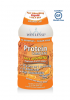
What about this product (picture attached), being a collagen based protein supplement yet having (supposedly) all the aminos and is recommended for bariatric use? http://www.wellesse....ements/protein/

Or are all these bariatric supplement suppliers just full of blarney and pushing the wrong stuff on post-ops just to sell product??? Because I've seen more than plenty "bariatric recommended" collagen based protein supplements out there. My personal agenda when I finally do get to post-op, is to get the most protein per volume, in other words ingest the least volume of liquid/foods with the highest protein values while getting in all the aminos without taking an additional amino supplement.

HELP?!!? :blink:

post-65737-13813669033807_thumb.png

  • Replies 6
  • Views 1.1k
  • Created
  • Last Reply

Top Posters In This Topic

Posted Images

Featured Replies

My understanding is that it breaks down to bioavailability. While collagen derived Protein is able to pack a punch with the amount of protein vs the volume, my understanding is that it is not easy for the body to digest. Here is a good article that talks about different proteins:

http://www.nutritionexpress.com/article+index/authors/mark+g+taylor+ms/showarticle.aspx?articleid=896

I would discuss the types of Proteins with your NUT and Dr as well. If you like pea protein and it's giving you what you need, and your Dr/ agrees, I se no reason not to use it, many vegan and vegetarian sleevers use it. Good luck!

I know this is very confusing. Before I became a bariatric patient, I was trying to eat as naturally as possible. I am allergic to soy and the soy isolate proteins, and avoid them like the plague. Right now I use either the Premier Protein Shake or a fortified (with whey protein) greek yogurt for breakfast to start my day off with 30 grams of protein. The remaining 45 grams I get from whole foods - cheese, nuts, beans, meat etc. My doctor wants his patients to eat as much whole foods as possible to fill up our stomachs, reduce grazing and hunger and avoid stretching out the sleeve. I think there are many ways to fulfill the protein requirements and most of it takes trial and error to determine what works for you as an individual.

Can you tell us what pea protein you like, OP? Does it taste like peas?

Can't do whey so always looking for options:)

My surgeon and nutritionist also stressed that whey protein isolate is the best choice because your body absorbs it most readily - important particularly in the early post-op months when you're healing and consuming very little. At more than 2 years post-op, I often use a variety of powders for flavor, texture differences (particularly in baking), and satiety (I find casein-based proteins leave me feeling full longer).

In the early post-op stages, I think the key is to find a protein supplement you can tolerate. And remember, may people find that post-op they no longer like the same protein supplement they thought was wonderful pre-op. So, don't stock up. I'd advise having a variety on hand. Bonus points if you have friends in the post-op community who will share samples of products they use!

  • Author

Can you tell us what pea Protein you like, OP? Does it taste like peas?

Can't do whey so always looking for options:)

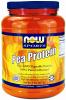
^^ The one I like best is from NOW (see picture). It it made from yellow peas, no it does not taste like peas, it doesn't have any flavor. I've used it in morning shakes. It has more of a noticeable texture, but you can adjust that to your liking. It also adds a nice thickening effect to soups, stews, and chili if you use a bunch. It's a nice added protein in meals when you don't want anyone to notice that "whey" taste. I personally think this is a very good protein source.

I've read other posts on these boards slamming collagen based liquid Protein. If it is hydrolyzed or predigested (broken down) in peptide form it is much more easily absorbed. And if it's a combo protein as described in my OP, that has EAA's and BCAA's, it should be ok to use, IMO.

post-65737-13813669047554_thumb.jpg

Thanks queen:)

Join the conversation

You can post as a guest; create a free account to track replies, follow topics, and be part of the largest weight loss surgery community.

Join the conversation

You can post now and register later. If you have an account, sign in now to post with your account.

Guest
Reply to this topic...

Account

Navigation

Search

Search

Configure browser push notifications

Chrome (Android)
  1. Tap the lock icon next to the address bar.
  2. Tap Permissions → Notifications.
  3. Adjust your preference.
Chrome (Desktop)
  1. Click the padlock icon in the address bar.
  2. Select Site settings.
  3. Find Notifications and adjust your preference.