Start here
Where are you in your journey?
Choose the path that fits today. We’ll take you to the most useful discussions.
- GLP-1 medication Zepbound, Wegovy, access, side effects, progress, and support.
- Before surgery Compare procedures, plan ahead, and get honest pre-op answers.
- Post-op Recovery, food stages, symptoms, and support.
- Long-term Regain, labs, habits, and life after the honeymoon.
- Revision Explore revision options, complications, and next steps.

BigSue
Gastric Bypass Patients
-
Joined
-
Last visited
Everything posted by BigSue
-
I was afraid to start eating solid foods because I was afraid of getting sick. I really hate vomiting, so I am super careful about what I eat. I stayed on purees for a few weeks longer than I had to because I didn't want to try solid foods too soon. I haven't had any issues so far except for occasionally having a bite of meat getting stuck on the way down. I haven't really felt restriction kick in -- I haven't gotten to the point of thinking I couldn't eat any more. I measure out my food and don't eat any more than about 1/2 cup at a time. I have gotten full a few times, and even to the point that I wish I had stopped a bite or two earlier, but only with solid foods, not purees. And I haven't experienced any of the new feelings of fullness that other people have described; it feels pretty much the same as before surgery to me (just takes much, much less food to get there). I have a few go-to meals that I repeat a lot, so I've learned to adjust the portions. The dietitian in my surgeon's practice told me I should be eating 800-1000 calories per day, and I don't get anywhere close to that. I have only gone over 600 a few times. And when I do, it kind of makes me nervous because I'm worried it will get out of control, and I feel like I need to stay lower in calories the next day. I'm very strict with myself about only eating 3 meals per day and no snacks other than protein drinks. Right now, it's easy because I don't ever really feel hungry, and I want to take advantage of that to cut my calories while it's still easy.
-
I live alone and didn't tell anyone about my surgery, and I didn't have any issues. I had very little pain by the time I left the hospital, but they gave me a prescription for pain medication (which I didn't need). I was able to walk around the house and take care of myself with no help. I was told not to lift more than 20 pounds for the first 6 weeks, and I think that's pretty standard, but I didn't really need to lift anything heavy. I made sure to stock up on supplies in advance and not buy anything heavy during that time.
-
Funny you should mention this because I have noticed that my under eye circles have been especially bad lately! I’ve always had dark under eye circles, even as a child, but I swear they’re worse than ever now. Hard to say if it’s because of surgery/weight loss or working 80 hours per week, though...
-
I wouldn't recommend doing it for any longer than your doctor requires. It kind of depends on what the diet is, though. Mine was one week with 3 protein shakes per day plus a low-calorie, low-carb meal, then one week of all protein shakes. It's not fun, and it's not intended to be a long-term diet. It's just meant to shrink your liver to make your surgery safer. I don't think it's particularly healthy as a long-term diet, either. You're probably better off eating "real food" for as long as you're allowed, like lean protein, veggies, and complex carbs (like beans and whole grains). Some pre-op diets are a lot less strict than mine and allow you to eat meat and veggies, so if yours is like that, it might not be as hard to do an extra week. Unless your surgeon has a requirement for you to lose a certain amount of weight before surgery, don't worry too much about that 4 kg. You will lose plenty in a 3-week pre-op diet and of course after surgery.
-
It's a challenge! My goal is 60 grams of protein per day, and I still don't always get that much. I usually need to drink half a protein shake or some protein hot chocolate to get to 60 grams in a day. I also mix protein powder into anything I can. My go-to breakfast is half a thing of Greek yogurt with half a scoop of protein powder (vanilla yogurt with birthday cake protein powder is my favorite), for 18 grams of protein. I mix unflavored protein powder with soups or refried beans, and cinnamon roll protein powder with protein oatmeal. Not sure if you're allowed to have crunchy things yet, but I love Quest protein chips. They have 18-20 grams of protein per bag. I make taco bites with them (1/3 bag of protein chips, chicken, salsa, lettuce, tomato, plain Greek yogurt).
-
I use workout videos on YouTube. You can do them at home for free. Someone here recommended Leslie Sansone Walk at Home, and she has a lot of free videos on YouTube. I think they're great for beginners because they're pretty simple, most don't require any equipment, and you can start with short ones (10-15 minutes) and work your way up to longer ones.
-
I had surgery on a Thursday and went home on Friday. The first few days were a little rough, but by Tuesday (5 days after surgery), I could have gone back to work. Even in the first few days after surgery, though, I was ok -- I didn't have any pain by the time I got home from the hospital, and I was able to walk around the house and take care of myself.
-
You could try liquid vitamins or vitamin patches. I used Barimelts for the first 3 months, which I prefer to chewables because they melt in your mouth so you don’t have to chew them, but if you have issues with sublinguals, these might not work for you, either. The only thing I have to take sublingually is B-12, and you can get that as a shot or nasal spray.
-
I have the same plan where I'm supposed to eat three meals per day and no snacks, but I can have protein shakes between meals (and need them to get enough protein). You should probably space out your protein shakes at least 30 minutes from food, or however long your program says to space out solid food and liquids. Eating and drinking together is generally not advised for bariatric patients, and that includes shakes.
-
Keep in mind that I still have a lot of weight to lose, but I have definitely had improvements in mobility. It's a lot easier to climb stairs without carrying an extra 120 pounds! Easier to get in and out of chairs, etc. My knee and foot pain has improved a bit, but it's also counteracted by the fact that I'm exercising more. I also have better flexibility -- for example, no problem bending down to tie my shoes. My blood pressure and blood glucose are now on the low side of normal with no medication. And that's all on top of the benefits of not always being the fattest person in the room, being able to fit in chairs, if I ever fly again I won't need a seatbelt extension, I can buy clothes from some mainstream brands (still XL or XXL, but in brands that don't make clothes as big as I used to be).
-
I went back to work 11 days after surgery, but I have a desk job. I was told not to lift anything over 20 pounds until 6 weeks after surgery, and I think that's pretty standard. Does the nurse know that you do heavy lifting at your job?
-
You can mix protein powder into a lot of pureed foods. I still eat a lot of pureed foods with protein powder. Examples: yogurt, refried beans, mashed cauliflower, pureed black bean soup, protein oatmeal, no-sugar-added applesauce, sugar-free pudding. I like to use flavored protein powder for sweet things (example: chocolate protein powder and powdered peanut butter mixed into vanilla yogurt; cinnamon roll protein powder mixed in protein oatmeal) and unflavored for savory things.
-
It might have been reactive hypoglycemia since it happened after you ate. Some BBQ sauces are loaded with sugar, and eating sugar can cause reactive hypoglycemia. It's definitely a good idea to see an endocrinologist because 26 is scary low... It's amazing you were still conscious!
-
That is REALLY low, and cause for concern. Have you contacted your doctor? Are you still taking diabetes medications? Does it happen before or after meals? My blood sugar has gone from high to low, but not nearly as low as yours. I was never on any medications, and my A1C was 8.1 about 4 months before surgery, and dropped to 5.2 a month after surgery. In the last few weeks, my blood glucose been in the 60s before meals. I got a 59 this morning before breakfast. I'm not too concerned at this point because I'm pretty sure my meter is biased low (the reading at the doctor's office is always higher), but it might be a problem if it gets much lower.
-
Have you tried protein hot chocolate? I find it much tastier and easier to drink than protein shakes. If you use Fairlife milk instead of water, it has about the same amount of protein as a shake.
-
I am no longer morbidly obese! Just plain obese, haha. But not bad, considering that I started with a BMI over 60.
-
I usually reheat my food in the microwave at least once during a meal. I also try to cover my food between bites (either with a lid or plate on top of a bowl, or an inverted bowl over a plate).
-
I was allowed to start taking capsules 6 weeks after surgery.
-
I was told to take chewable vitamins for the first 6 weeks after surgery. I used Barimelts. You don't even have to chew them; they melt in your mouth. They're not bad, but they're a bit pricey, so I've switched to capsules that are cheaper. I still take NatureMade sublingual B12 (they're cherry-flavored and melt in your mouth) and Natrol biotin (strawberry-flavored and delicious), which are very affordable on Amazon.
-
My surgeon didn't prescribe anything until after my surgery. He called in the prescriptions before I was discharged and I picked them up on my way home. I hardly needed any of them (besides the acid blocker). Didn't touch the pain meds.
-
Kimberly H (she just had a revision last week, so she's posting a lot of new content), Minnie Me in TN, My Level 10 Life, Clusie L (but she seems to have deleted all of her videos), Timetodeflate, Foodie Turned Sleevie.
-
Barimelts aren't bad. I've also tried Bariatric Fusion and BariatricPal chewables, and I think Barimelts are the best of the three. You don't even have to chew them -- they dissolve in your mouth. You probably don't need to take bariatric vitamins pre-op, though (unless your doctor told you to). Flinstones chewables or something similar would probably be fine.
-
Wow, that’s rough. I don’t think I’ve ever heard of anyone being outright denied surgery because of the psychological evaluation (not that it’s never happened; I just haven’t heard about it). I have heard of people being required to get psychological treatment before getting approval for surgery. Did the psychologist say anything about that? Maybe you can wait until he sends the full report and see what it says, because it seems very strange that he would just say you’re a lost cause and will never be able to get the surgery. A lot of us have a bad relationship with food and issues with emotional eating and still get the surgery. Is it possible to get a second opinion From another psychologist? That said, you probably shouldn’t get the surgery until you’re mentally and emotionally ready for it. It’s a big commitment and a hard journey, and you pretty much only have one shot (ok, you can get a revision, but even that doesn’t usually work as well as the original surgery) and you don’t want to waste it. So it might be worth getting some treatment for your emotional eating before you get surgery.
-
I went into my initial consultation thinking that I wanted the sleeve, but my surgeon pushed me to get gastric bypass instead because I had a very high starting BMI (over 60). I had gotten the impression that the sleeve was a more modern, less risky, less extreme surgery, but my surgeon explained that the risks are about equal (although there are different risks), and gastric bypass typically results in more weight loss. I was unsure at the time, but as I learned more about both surgeries, I became more confident that gastric bypass was the right surgery. It might just be confirmation bias, but I've seen a lot of people talk about getting severe GERD with the sleeve, and/or not losing enough weight, and getting a revision to bypass. What surgery you get is YOUR decision, though, so if you are not comfortable with it, you have the right to cancel. However, it's best to avoid making big decisions when you're in a heightened emotional state, so what were your thoughts a few weeks ago when the surgery was a little farther in the distance and you were in a calmer state of mind?
-
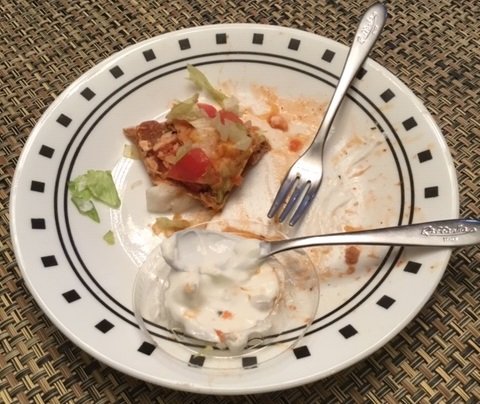
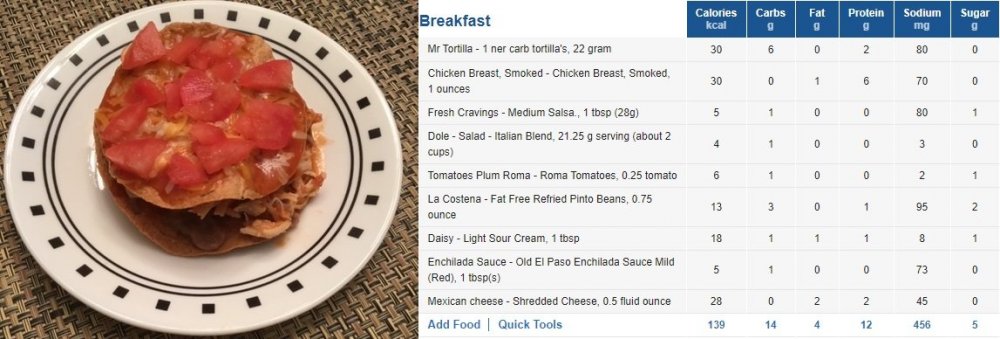
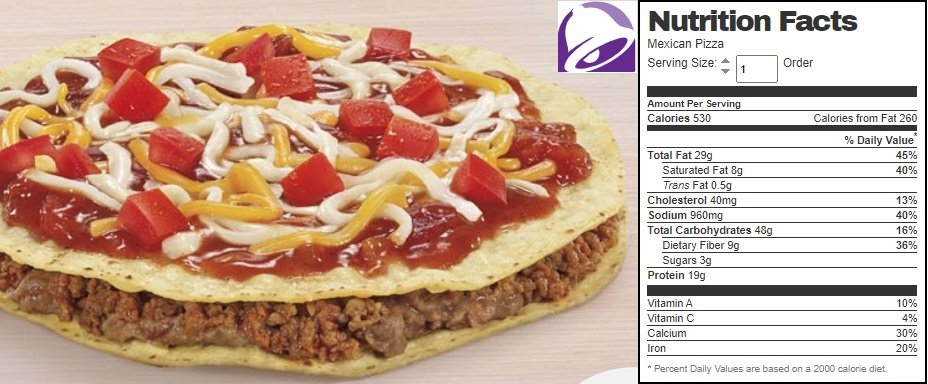
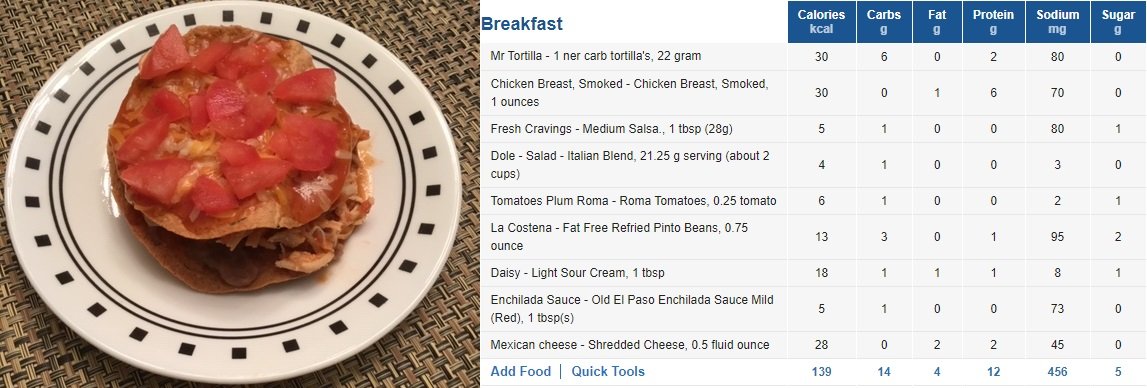
Before surgery*: Taco Bell Mexican pizza After surgery: Mini Mexican pizza (featuring Mr. Tortilla 1 net carb tortillas) I had to take a break after eating about 1/3 of it because some chicken got stuck on the way down. Went back to it later and ate almost all the rest (added some lettuce and light sour cream after the first picture). *I probably only had the Taco Bell Mexican pizza once or twice in my life. I rarely went to Taco Bell and this wasn't one of my favorite items on the menu. I was inspired today by a video on how to make your own Mexican pizza since Taco Bell is retiring it from the menu.