




Start here
Where are you in your journey?
Choose the path that fits today. We’ll take you to the most useful discussions.
- GLP-1 medication Zepbound, Wegovy, access, side effects, progress, and support.
- Before surgery Compare procedures, plan ahead, and get honest pre-op answers.
- Post-op Recovery, food stages, symptoms, and support.
- Long-term Regain, labs, habits, and life after the honeymoon.
- Revision Explore revision options, complications, and next steps.

Arabesque
Gastric Sleeve Patients
-
Joined
-
Last visited
Everything posted by Arabesque
-
Stalls happen. You can experience several of them while you are losing & they usually last - 3 weeks but sometimes more. They are part of the process. Your weight loss will never be a steady decline but will have ups & downs & flatlines. Your body needs time to play catch up with the changes - weight loss, dietary changes, etc. - & your weight loss stalls. (Someone recently posted a link to a surgeon who described it as a pause which I like.) You have been putting it through a lot. Many find that while the scales don’t move they notice their clothes are still getting loser. But yes they can mess with your head. If it persists, contact your dietician. Your diet may need a small tweak or you may need to shake up your exercise (though moving house will keep you very active). Usually they will pass just following your plan.
-
Check with your dietician. Some recommend waiting for a while but it can depend on what type you eat. Personally I found the no added salt or sugar ones very oily & tasteless. I tried a couple of different brands & tossed them all. Oh & watch the lite versions - the nutritional difference & calories is minimal.
-
Welcome to the world of constipation. This will be a pretty regular occurrence while you are losing. Shakes are often high fibre which can bind you but the water should help keep things moving. You also are consuming very little & your body is using all of the nutrients so yiu don’t have a lot of waste. You may need a stronger medication or process to get things moving like a suppository or enema. Some people do need additional help when the usual methods (laxatives, stool softeners, etc.) aren’t getting the job done. It does get better as you near goal & are eating more & a broader range of foods.
-
Doesn’t matter how long it takes to eat you have to wait or, as you as know, you can experience discomfort. The other reason we wait before is so our tummy is fully empty before we start to eat. And we wait after so the fluid doesn’t wash what we’ve eaten more quickly through our digestive system. You often want something more when you can’t have it which could be why you are finding this hard. Someone has taken away your free choice about when & how much you drink. It can be the same with food for some people: they can’t eat chocolate so all they want is chocolate. The good news is you won’t have to do this for ever. You’ll be able to wait less time, be able to take larger sips, etc. When, how long & how much will be up to you & what you are able to do.
-
Often people have to change some meds they’re on because your bypass may affect the absorption of the medication. Often these are slow release meds. BUT they don’t take you completely off the tablets. (Except may blood pressure meds.) I agree with the others in that being taken of your meds cold turkey is contributing a lot to what you are experiencing. It can be dangerous to cut anti depressant meds. And yes, definitely contact your prescribing doctor. You don’t have to rely solely on shakes. (I found them awful too.) Try bone broths, wonton soup or pho broths (just strain out the wontons, vegetables, noodles, etc.) soups, yoghurt smoothies (thin yoghurt with milk). Many UK surgeons recommend drinking milk you enrich by adding milk powder. At three weeks we’ve often moved to purées. But of course all plans are different. I gave up shakes I suffered through at the beginning of week three. When do you start purées? Please take care of yourself.
-
I just adjusted a lot of my favourite recipes. If I was looking for something specific I’d google & then adjust the one I thought was closest to my needs: swap out an ingredient, add an extra ingredient, change the cooking method, etc. But I was someone who often tweaked recipes so it wasn’t really a change - pointless asking me for the recipe cause a lot of it would be made up on the go. ?
-
It was 2 feels like -1 on Saturday morning at my mum’s (about 100km west of Brisbane) Brrrr. It would have been as cold that night at the restaurant as it’s on top of the Great Dividing Range. The days have been around 10 to 19 Celsius give or take (50-66 Fahrenheit I think) in Brisbane which is cold for us. And we were experiencing those temps through May which was unusual. We often hit 100 Fahrenheit or higher in summer so I feel you in that heat.
-
That sounds crazy unless your blood tests showed you were very deficient. Why take calcium with D3 & a separate D3??? And take multi vitamins as well which already include D & B vitamins. Do they have shares in the supplement company? Speak with your medical team & ask them to explain why so many & so much doubling up. I took two multi vitamins that’s all & stopped taking them at 8 months. But we do have different needs.
-
Ok breathe. You slipped but you also now know why there is a staged return to eating - to protect & support your healing tummy. What you are experiencing is grief & regret. This isn’t uncommon. You’ve been through a pretty major surgery, your hormones have gone haywire, you’ve had to make massive changes to how & what you ate & you can’t have food or alcohol which previously comforted you & gave you pleasure. This will pass. Before you know it you will be eating solid food again, eating more & eventually you will enjoy a drink again. Yes, your tummy may struggle with certain foods to begin but this improves too. You are really learning how & what to eat all over again & learning what your body needs you to eat. You’ll be trying new foods, new recipes, etc. too. I still enjoy food & I still eat out (went to a French restaurant last night). I’m just more careful with my food choices & portions usually without issue. I still drink (had a cocktail & a small glass of Grenache) but not as frequently - drink quality not quantity now. I look at food & alcohol differently. That old adage of eating to live not living to eat is true. I didn’t have any comorbidities either but I knew that if I continued as I was or put on more weight it would be a different story. I was obese & I didn’t want to be. I’m a clothing person & I couldn’t wear the designers I loved anymore. Though not physically limited in any way, my stamina was poor & some things needed more & more effort to do. My weight came on suddenly. I always bounced around but ten years before my surgery I was 59kgs. Six years later I was 91 (damn hormones & menopause). Best decision I made. Remember the reasons you had to have the surgery. You may find it helpful to meet with a therapist (your team should be able to recommend someone). Many find therapy extremely helpful.
-
It’s always best to follow the diet you were given as it will be to follow their post surgical plan. As @liveaboard15 said different surgeons require different diets. My surgeon would put different patients on different diets based on the amount of weight they had to lose, their weight loss history & their medical history. So my friend was on all shakes, her friend was on two shakes & a meal & I was on keto. You can always ask your surgeon why he requires you to follow the all shake diet. The first five or so days are the hardest as you break some addictions & dependencies. You may headaches, low energy, etc. almost like withdrawal symptoms but better to get past this before surgery than after. Some people slip on their pre surgical diet. A slip is okay but regularly going off plan isn’t. The diet is required so you lose some weight to improve your health, reduce fat around your liver so your tummy can be seen more easily during surgery &, as above, break some habits & food dependencies. You can do it. It’s only two weeks. Some have to do it for three or more weeks.
-
They often say to hold off on fruit for a little while - partly due to the sugar content I think. Avoid skin, seeds, coarse/fibrous/hard (like apples & pears) flesh, etc. I was advised to begin with berries but the first fruit I had was watermelon. I think it was a couple of months out. Check with your dietician to be sure.
-
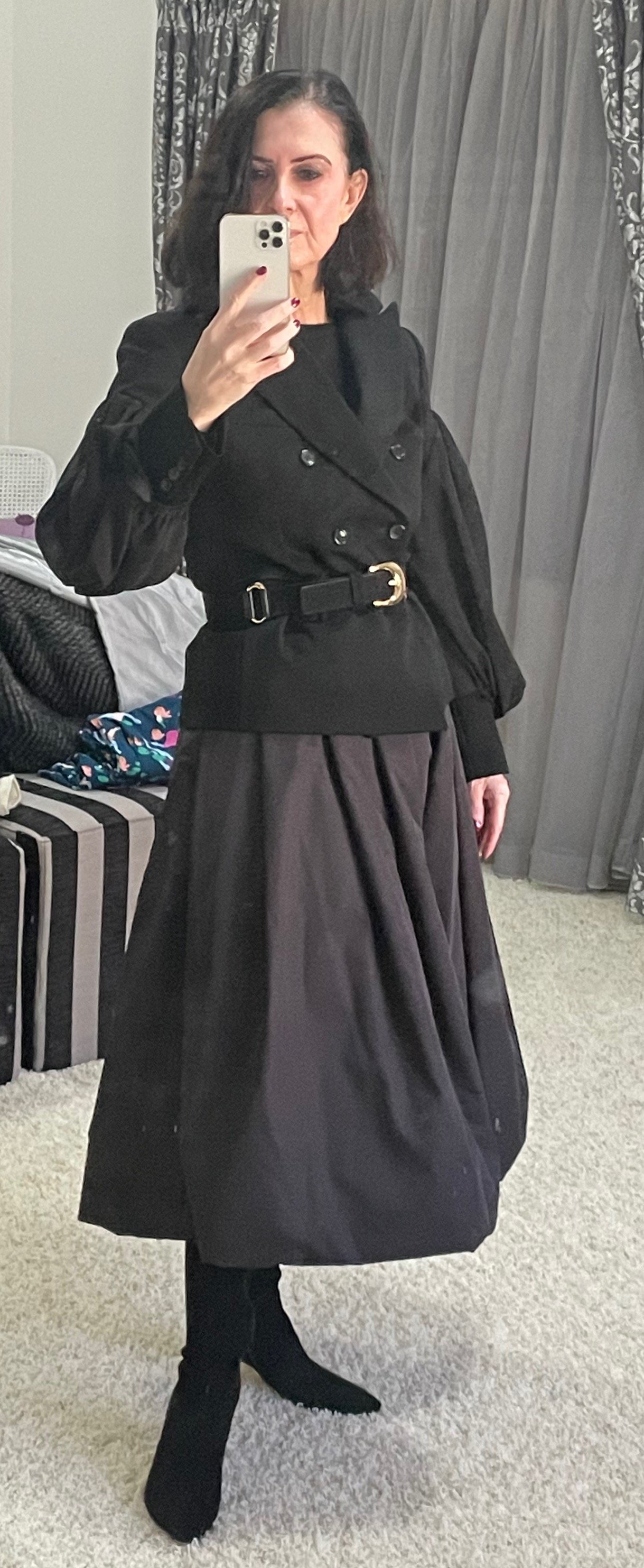
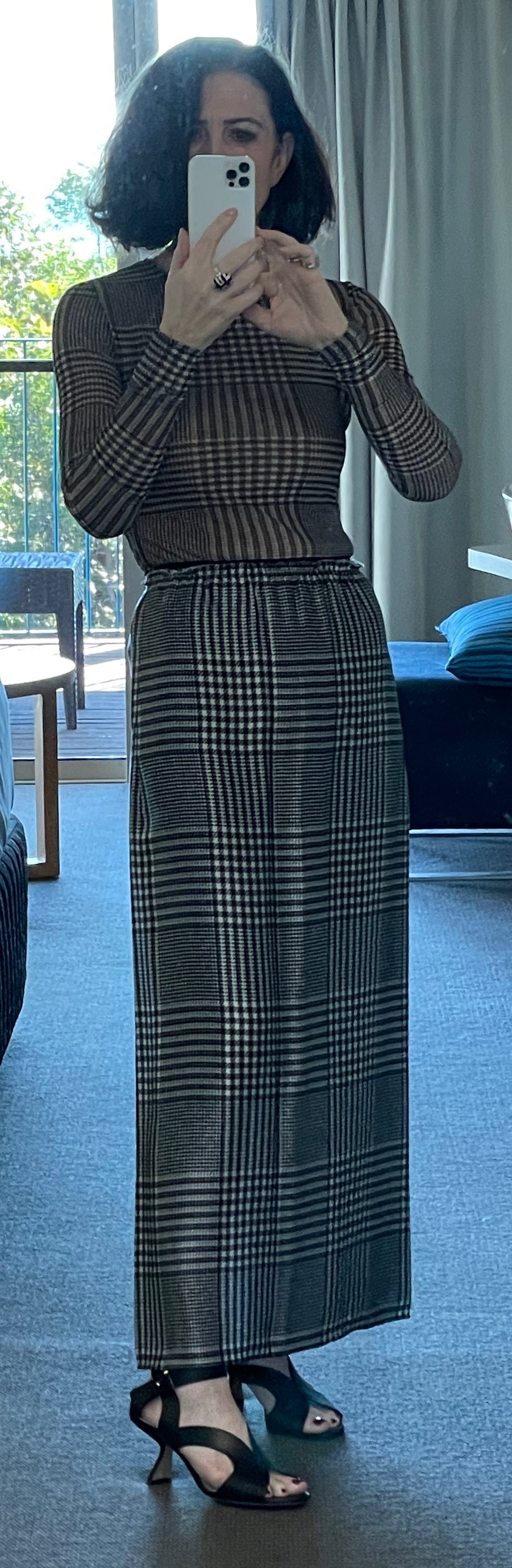
A couple of weeks before Covid hit in 2020 & we entered lockdown I bought this outfit & it has been taunting me in my wardrobe ever since. Decided I wasn’t going to wait for a special event any longer so dinner wth my hairdresser current & former stylist was it. New French inspired restaurant in a small country town. My hair looked way better later as we had our regular hair appointment before dinner. The skirt is amazing. Known as the doona skirt as there is a layer of wadding inside. Still didn’t keep me warm enough though lol.

-
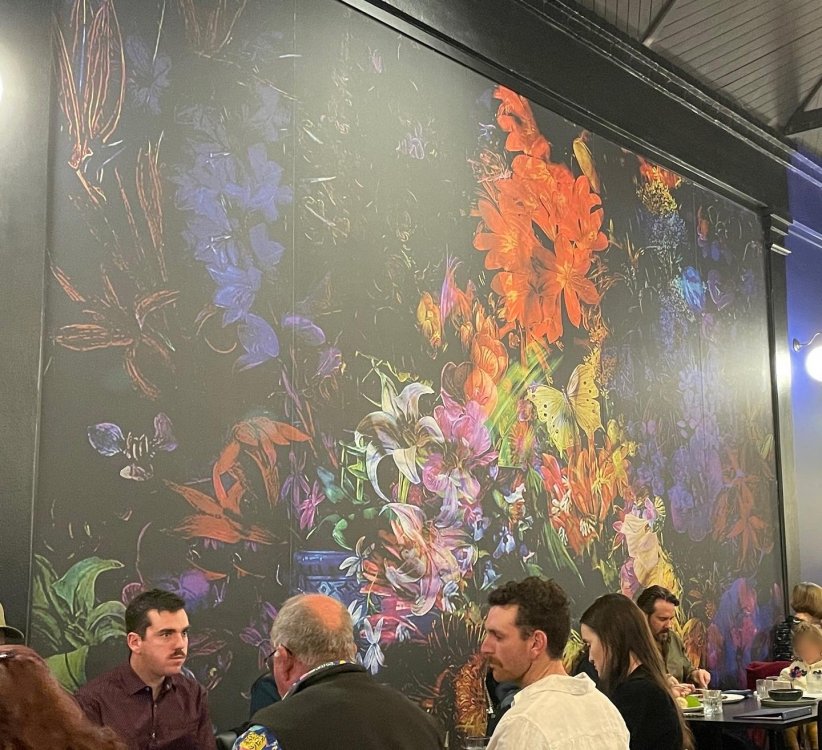
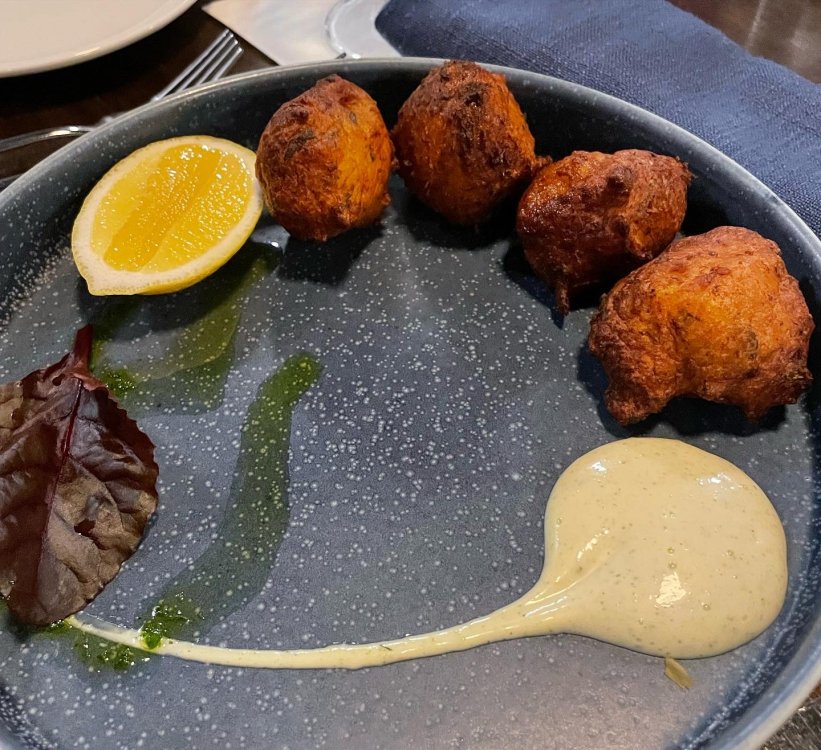
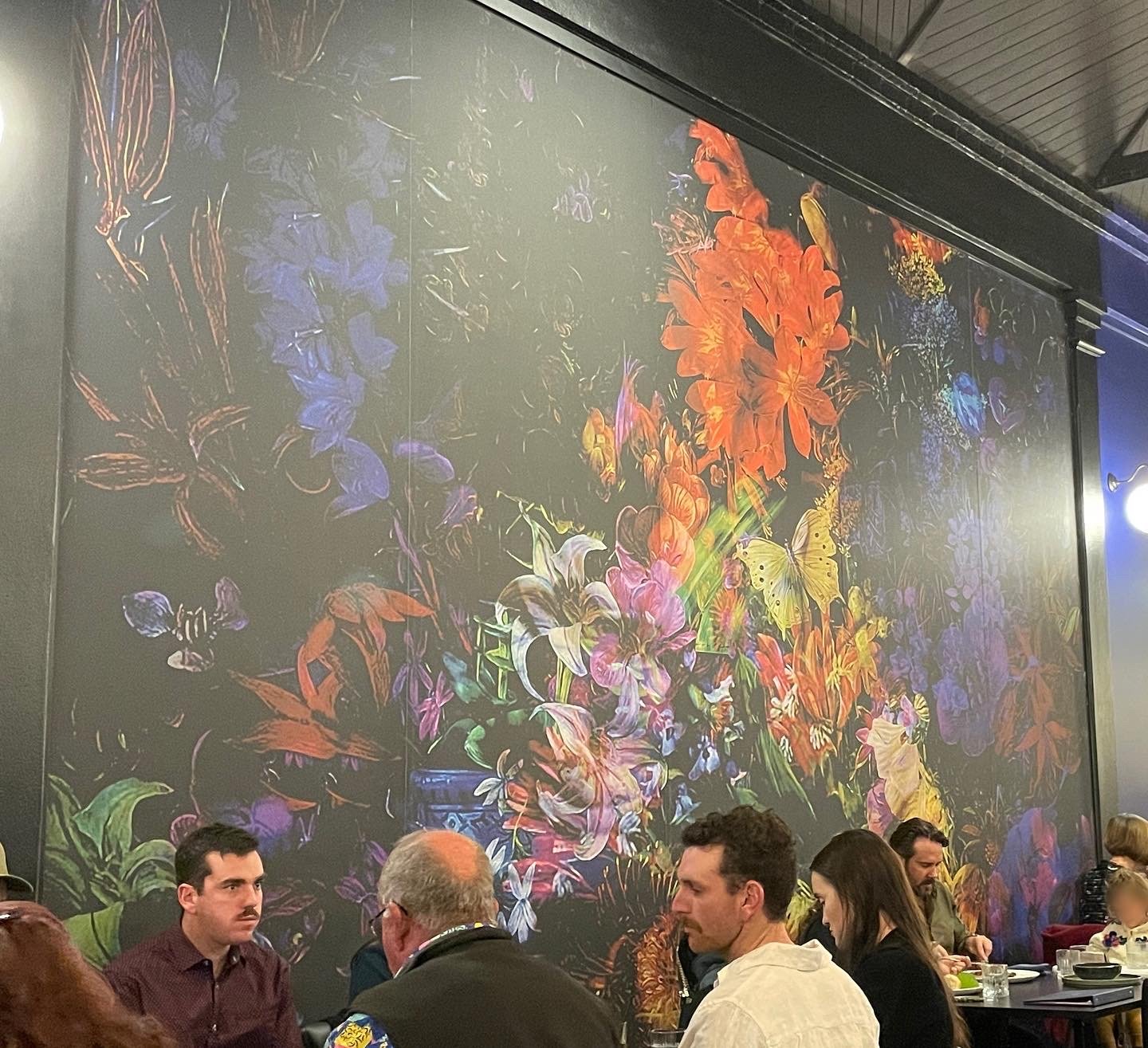
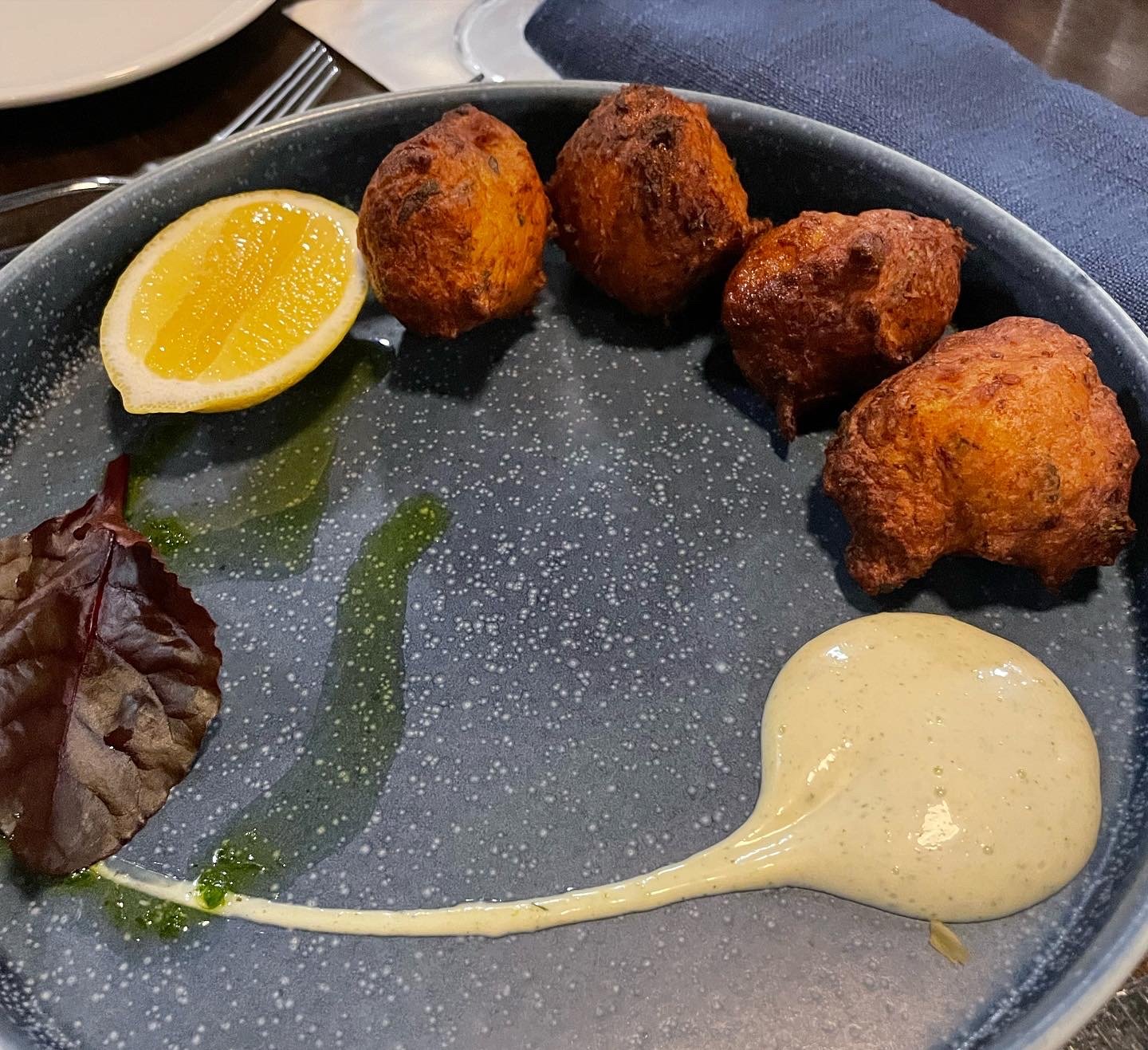
Dined out again last night. This time a French inspired restaurant in a small country town in a sympathetically restored & decorated heritage building. Stole a yummy prawn beignet from my mum’s entree (appetiser) & I had a double baked scallop soufflé in a prawn bisque for my mine. The soufflé was delicious but I could only eat half - it was super rich & didn’t sit well but still worth the bites I had. Very sad though because I left the left overs behind. Their plating needs a little refining but everyone loved their meals.

-
I had my gall removed 25 months after my sleeve (a year ago). My surgeon used the same scars as my sleeve. Similar recovery but while I had no gas pain after my sleeve I had lots after this surgery & they pumped me full of fluids because of my low BP. Came out of hospital about 3 kgs heavier. Groan. I probably had a little more general discomfort & took one opioid med at night on day 2 when I got home so I could sleep but no other pain meds after that. You’ll feel more comfortable going in this time because you’ve experienced abdominal surgery before & know generally what to expect pre & post the surgery. Plus you know the surgeon & their work ?. Best thing, no liquid diet & phased return to eating after this surgery. I also wasn’t all that hungry for about a fortnight after either - bonus. PS - Developing gall stones is pretty common. They could have been pre existing or grew as a result of your weight loss. Some have their gall removed during their sleeve surgery (much like hernia repairs) if they were picked up. Have your cholesterol levels gone up? It’s a temporary side effect of the weight loss but stones will form as a result.
-
This is extremely common. So I kept my records & my doctors kept their’s. As @kcuster83 said the difference is still the same. If you’re like many of us you likely weigh yourself first thing in the morning before breakfast, naked. But when you go to the doctor, you’ve eaten, drunk, are clothed (I presume ?) & their scales may be regularly checked & re calibrated while yours are never. By maintaining your own records you can keep a closer eye on your weight loss fluctuations etc. as against whenever your doctor appointments are (monthly, two monthly, etc.). But how often you weigh yourself is just what you feel most confident with. I was an everyday (couple of times a week now) but others rarely or never weighed themselves relying on their doctor’s scale alone. As for your rate of loss, we’re all different. Some loose slowly some more quickly. Just how it goes. Hardest will be that your husband will lose more quickly than you - gender injustice. Most important thing to remember is if your surgeon is happy you should be happy to. All the best.
-
It will depend on how you recover. For me it wasn’t so much the physicality of my job, though I was tired a lot, it was I couldn’t concentrate for long periods & my head would get doughy because of the low blood pressure. I went back to work part time after 4 weeks but the symptoms persisted for a few weeks longer. Negotiate with your employer to see if you can return part time or at reduced hours if you need it & see how you go.
-
The change in your taste buds can be really weird. Things you loved suddenly taste disgusting. I was eating smoked salmon for a couple of weeks then one day it was like?. And I couldn’t face the vegetables I always ate. Thankfully the tummy turning aspect it is only temporary. Enjoy embracing new flavours cause that new enjoyment will last. Oh & be glad your sense of smell hasn’t gone crazy either. That can make walking through malls, eating out & cooking at home miserable.
-
Everyone gets some loose skin but how much you end up with depends on many factors like age, gender, how much weight you lost, how long you were at your higher weights, genetics, etc. I don’t have a lot & haven’t gone down the surgery path because it doesn’t hinder me in any way & I can hide it easily under clothes. I can wear body con pants & dresses without any issue or need for ‘suck it in’ underwear. The loose skin I have doesn’t bother me much. In a way I earned my loose skin after losing my weight. And like the others, I’d rather have some loose bits than the fat. And since some of us are posting pxts … There’s a little overhang at my waist but my slouch makes it looks worse then it is. ?

-
It’s an individual thing. You may only be able to sip for months or you may be able to chug liquids in a few weeks. Neither is right or wrong. Just for the first couple of months we usually are advised to sip slowly to support & not strain our healing tummy & digestive systems. Follow the advice from your surgeon & you’ll be fine. You’ll get to what your body is comfortable with in your own time.
-
As @catwoman7 said some of those changes you mentioned are just temporary. Like hair loss usually persists for about 3 months & your hormones settle once you’ve lost most of your weight (oestrogen is stored in fat so as you lose all the excess oestrogen is released into blood stream). Large weight regain can occur because of complacency & people slipping back into old eating habits. It can occur because how they were eating wasn’t sustainable &/or was too restrictive. It didn’t allow them to live their life as they wanted & hindered them doing what they enjoyed. Or they didn’t do the head work to understand & learn to manage their old eating behaviours & what drove them to eat. All things the surgery doesn’t do anything about. But it does give you the time to explore these factors. Also remember the average weight loss at about the three year mark is 60% of the weight that had to be lost. This can include the bounce back ‘resettling’ weight gain, complacency & adjusting to a more flexible eating plan. Or it could just be the weight your body is happier at. Sure there is always a chance to develop an issue that has to be monitored but it’s rare. Comparatively, there are very few complications from weight loss surgery. Some of the issues may not have anything to do with the surgery. I have a protein malabsorption issue. Not from my 3 yr old sleeve but from my gall being removed last year. (Malabsorption issues are very rare with sleeve.) I have low BP. I had a genetic predisposition before surgery now it’s all the time because of my lower weight not the surgery. Gerd is probably the highest risk after sleeve - about 15-20% I believe. But it can be managed or treated by a revision to bypass. Some issues may be revealed because you likely are being monitored medically more closely now then before or your weight & associated comorbidities may have been masking what were pre existing conditions. You’ll likely read & hear about people with problems because they they post to seek help & support. They don’t often post about what the cause was or the remedy. In comparison, people tend not to post or talk about their successes. I know many people who’ve had the surgery. No one has experienced long term or developed new issues because of the surgery. A couple regained most of their weight because they went back to their old eating habits. Certainly the benefits far outweigh any temporary side effects or the very rare problem.
-
It could be little post surgical muscle spasms when you swallow. Everything is still a bit sensitive. It takes weeks to heal & recover. Make sure you’re sipping not gulping & leaving time between each sip. Cold drinks are often a culprit too so try room temperature liquids or warm/hot (many of us find warm more soothing). Eventually you may be able to drink larger amounts, closer together & drink cold again but when, how much & how often is an individual thing. Me, I can’t do more than two large mouthfuls in a row after all this time but others can chug. Just one of those things.
-
You won’t have messed up so you can breath about that. I do agree with the suggestion to check your portion size recommendations. Mine was 1/4 -1/3 cup to begin from purée. Liquids stage was just sip your shake or soup ‘meal’ until finished. Portion size of those were a cup of but I’d dilute them to double & would take a couple of hours to drink. All adds to your fluid goal so all good. If you weren’t given portion size recommendations, ask for some. Nerves are cut during surgery so your signals aren’t working & then they may not work the same which is one of the reasons portion control is important. Plus liquids go through your body more quickly so your tummy is emptying more quickly than you getting ‘full’. Even when your nerves have healed, you’ve recovered & are eating solid food, you may not feel full or feel your restriction. The actually goal should not be to eat until you are full or feel the restriction but eat until you’ve had enough. Three years out I still ask myself do I need the next bite or just want it. Big difference. I still eat slowly too: 30-60mins depending upon what I’m eating (of course I’m eating more then you are at the moment). It takes me about 50mins to eat a 6oz/1cup yoghurt. But surgeons have different recommendations on time frame & you’ll discover what works best for you. I still also take small bites. A teaspoon helps to modify the size of your bite & keep them small. Then, put your spoon down between bites & wait a couple of minutes before your next bite. There are a lot of new things to learn but you’ll get there. Also what worked for your brother may not work for you. All the best.
-
What sort of changes are you referring to? Dietary, taste, constipation/diarrhoea, tiredness, activity, recovery, food intolerances, stalls, hair loss, etc.?? It’s good to be aware of possibilities but you can’t predict what will happen to you. Generally a lot of things that change are temporary or are easy to modify your behaviours to manage the changes. Some may be frustrating or require support from your medical team & dietician. Some changes will become permanent like dietary choices, activity, etc. Don’t let fear hold you back. The benefits are amazing.
-
Your BP is often higher when you see the doctor. Apparently they attribute it to a conscious or subconscious stress reaction. ??♀️ I started keeping a record of my at home BP readings to show my GP but then forgot to take it ?. My readings are usually 15-20 points higher at the surgery than at home. Funny thing is I’ve been seeing her for more than 20yrs, taught her daughter, she’s very supportive & we get on really well but my BP still goes up. I blame the traffic I have to battle to get to the appointment. ? And yes your BP will be up & down at home too depending upon what you’ve been doing, time of day, if your hydrated, etc. I always record the time & add what I’ve been doing against the reading. Sometimes it’s helpful to take it at the same time three times a day. Congrats to everyone who have been able to reduce or drop their meds. ?
-
I’d think that one would be very suitable as a lite yoghurt. It’s no fat, no sugar, no sweeteners & 15g protein. Most ‘lite’ yoghurts are either low fat or low added sugar but they up the artificial sweeteners keeping them sweet. As I said before just watch any chunky bits of fruit. Strain it well after adding the milk. Remember to add enough to make it very thin & easy to swallow.


.png)
