




Start here
Where are you in your journey?
Choose the path that fits today. We’ll take you to the most useful discussions.
- GLP-1 medication Zepbound, Wegovy, access, side effects, progress, and support.
- Before surgery Compare procedures, plan ahead, and get honest pre-op answers.
- Post-op Recovery, food stages, symptoms, and support.
- Long-term Regain, labs, habits, and life after the honeymoon.
- Revision Explore revision options, complications, and next steps.

Arabesque
Gastric Sleeve Patients
-
Joined
-
Last visited
Everything posted by Arabesque
-
It’s unlikely to be fluid retention but it would be your best interests to have your kidney function checked before looking at taking diuretics. Have you spoken with your surgeon or your dietician? Ask your dietician to review your diet & activity. 1000 calories seems a lot at 2 months but every plan is different & if you’re more active you can consume more calories. Stalls are common through out the weight loss phase where we don’t lose but weight gain like you’ve identified isn’t. Have you continued to lose inches even though the scale has gone up? Are you weighing yourself on the same set of scales, in the same place, at about the same time? Are you weighing & logging everything you eat & drink each day to ensure you’re not accidentally consuming more? I encourage you to go back to your medical team. Good luck.
-
Choosing to have surgery is not cheating. Sure the surgery kick started my weight loss & there are aspects, like the restriction & inability to eat large servings of food, that reduce the opportunity for me to gain. But I’ve worked hard to change how I eat, what I eat & to understand why I eat. Probably way harder than someone who’s never been obese or battled being overweight & certainly harder than when I dieted before. And I work every day at changing a lifetime of bad habits, things that defined who I was & who people thought I was. You have to be ready & willing to make the changes. The difference this time to every other time you’ve dieted is the changes have to be sustainable - permanent & manageable in your life. The surgery doesn’t fix it all for you. If I started eating high fat, high sugar, high processed carb foods, etc. & go back to old habits I’d put on weight again. For most of my adult life I bounced between a bmi of 23 to 29. I gained & lost for 30 years. Then when I was about 50 yrs old it wasn’t 15kgs I needed to lose it was 31 & I couldn’t lose it. All my old dieting tricks failed. I woke one morning at almost 54yrs & said enough, I’m going to have surgery. I didn’t have any health issues at all (except for sore feet & a lack of fitness) but I knew it was in my very near future & I didn’t want to be that big anymore. Is it worth it? You bet it is. I hit my 60kg goal in 6 months, historically my lowest weight as an adult. I lost almost another 12kgs over the next year. I may only have been maintaining at my current weight for 6 months but I have never, ever in my life been able to maintain a low weight after dieting for more than a month. And I haven’t been this weight since I was about 12 yrs old. I don’t know what the next months or years will bring but I’m not going down without a fight. I’d ask why they recommended bypass too if only for your own information & peace of mind. After going through my weight loss & gain history in detail, my surgeon went through the surgical options identifying the pros & cons of each. He then explained which he thought would be best for me & why but he also asked which I thought I’d prefer & why. His process made be more confident about my surgery. Good luck.
-
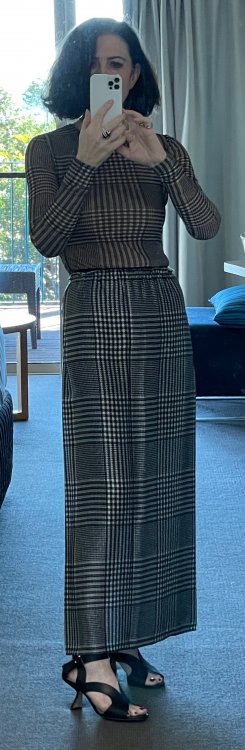
I was almost 54 when I had my surgery. Yes, I have some loose skin. And like @catwoman7, you can’t really see it when I’m dressed ... except for that wee pooch at my waist but I am slouching a little for effect in the pxt on the left below ?. Like @STLoser I happily carry my loose skin: I worked hard to lose my weight & I continue to work at maintaining. The loose skin reminds me every day to stay my course. When you first lose weight you could look drawn but I found my remaining fat seemed to resettle once in maintenance & I looked better. Increasing my calories & adding some whole/multi grain carbs to my diet helped. You won’t look as you did before. Then your features were likely distorted by the weight you carried. My face was a round blob. People said I looked younger because the fat filled out any wrinkles I had. When you lose weight you’ll see your cheekbones again, your neck will be thinner & look longer. You’ll have fewer chins. My eyelids aren’t as hooded & my face is oval with a strong jawline now. And people still say I look younger than my age. If you need support to understand & battle your addiction, seek a therapist who has experience with bariatric patients. Many do seek help with success. Though you may find, that like @Jaelzion, your desire for sugar/sweet is muted after surgery & you can manage it without the support of therapy. I made a conscious decision to avoid or restrict certain foods in my diet. They were my danger foods - not cravings but foods I enjoyed a lot & often that were calorie heavy. It was my choice to avoid them or restrict the frequency I eat them. Do I miss these foods - not really. Some people can eat their old favourites without issue but they do it in moderation. You’ll work out what works for you that’s sustainable. Understanding what a recommended portion size is a big learning as is the difference between a portion & the size we get served. Most serving sizes are 2 & 3 times what we should be eating to maintain a healthy weight. I eat about the recommended portion size for most foods now or a little less. For example I can almost eat two eggs, about 100g of meat, a cup of vegetables, a small bunch of grapes, etc. Some days will be harder than others. You’ll learn new things about yourself & your body. There’ll be days you’ll question your decision but the surgery is so worth it. If you’re willing & ready to make the changes to take full advantage of it, you’ll be successful & be able to enjoy your life to the fullest. Good luck. PS - You look fabulous @STLoser. Love the lip gloss colour too.

-
Yep to avoiding seeds. I had problems with fresh herbs at first. A bit coarse & difficult to swallow unless they were in paste form & puréed well. Congrats on your surgery.
-
That’s one of the criteria of a being a BFF: take inappropriate or sneaky photos of friend & then joyfully & lovingly share them with friend. ? As to quiz: (d) fun & (e) all of the above & then the answer is 100% E. We know you well @ms.sss. Yes, yes, yes. Buy those shoes. When you’re used to 35+ degree Celsius summers in Brissie & then the temp drops to 15 it’s dang cold. I still can’t cope with locals who wear fur lined hooded puffer coats with shorts & thongs. I just don’t get it. ??♀️ Didn’t their mothers tell them if their extremities were warm, their body would be warm??? It’s like the wear a singlet & you won’t catch a cold advice ... but I’m now thinking maybe mums told us that one because singlets could be a turn off for other ‘activities’ ?.
-
Anyone can grow gallstones but rapid weight loss can be a contributing factor to their growth. I presume it’s because of all the cholesterol that’s released from our fat as we’re losing. Our body struggles to process this excess & it forms the gall stones. Many people with weight issues already have gall stones (more likely if they have high cholesterol) & it’s not uncommon for their gall to be removed when they have their weight loss surgery. Others have it removed a year or so after because they develop stones or grow more & have gall problems. It may not happen to you at all but it’s good to be aware of it.
-
My liver function was never an issue until after surgery & it went back to normal after I lost most of my weight. I’ve never had gall issues either until Sunday. My cholesterol had maintained the same okay level for about 30yrs until I was in the weight loss phase & up it went - back to my old levels now. So I guess that’s why they didn’t even consider removing the gall. The high bilirubin levels were picked up in the post surgery blood works & is still high. It also was when I found out Gilbert’s Syndrome was in the family & I fitted the symptoms of that. Had the scan this morning & I’ll ring my GP tomorrow for the results. Fingers crossed.
-
When you lose weight you lose fat from all over your body (fingers, feet, neck, face as well as the expected tummy, legs, arms, butt & back) so it’s likely you’ll lose fat from there too cause it’s basically a fat pad. I’m definitely more boney down there.
-
Well my Sunday night was a lot of fun. ? How can one small gallstone cause so much pain?? Far out!! I thought I was dying. My tolerance for pain is pretty high but I was groaning, moaning, almost crying with the pain, rolling about on my bed, doubling over, stretching out, sweating, ... all from my single gall stone which decided to revolt & stage an escape. Thankfully it only lasted about 75 mins & not hours like some experience. I swear I was a minute from calling an ambulance when the pain quite rapidly reduced. After about 5 minutes I was pain free except from a vague discomfort that seemed to trace across & around my intestines. I wondered if I had actually passed it & the excruciating pain was the stone actually it forcing itself out of the bile duct & into my intestines. I’m glad I was pretty sure the pain was from the gall stone. Not knowing what was causing it would have been way worse & extremely frightening. I saw my GP this morning & she is sending me for an scan to confirm if the gall stone is still there or if I did pass it. (I forgot about the need not to eat before the scan otherwise I would have had it right after I saw her - blast.) If it’s still there, she’ll send me back to my surgeon to remove the stone hopefully endoscopically or smash it by ultrasound. The stone could have formed because of my weight loss, high bilirubin levels, being on HRT or I could have had it for years without knowing. If I hadn’t had a scan at 7 months post sleeve because my liver function was off & had high bilirubin levels, I’d never had known I had a gall stone.
-
Skinny girl problems. ??? Who’d ever thunk it hey? Certainly not me. Good luck with your surgery @WishMeSmaller. Braided/plaited sandals are so summery, @GreenTealael & I love the orange on your top.
-
I love scallops too but have never noticed any odour. Maybe I subconsciously block it cause I love them so much. ? All fish skin is awful to me. I’m always peeling it off before or after cooking. Congrats on the success of the salmon poaching @GreenTealael.
-
I used to use wine & stock but then I discovered milk. Just pop the salmon in a baking dish, barely cover the fish with milk, a good pinch of salt per fillet, whatever herbs you like & bake covered in moderate oven about 10+/- mins. The milk helps absorb some of the oil too which I struggle with especially now.
-
How you’re going to manage your food & eating when you first go back to work can be a bit worrying. I bought a small thermos (500ml capacity) & small (1/2 cup capacity) microwave safe containers which I found really helpful for work. I’d put home made soup in the thermos & sipped on it throughout the day - this was my alternative to protein shakes. In the containers I’d put leftovers from whatever I cooked the night before (mince dishes, casseroles, etc. according to the stage I was at) & microwaved it for lunch. I took yoghurt a couple of times to begin but I always ended up taking it home. I also kept a backup packet soup but like the yoghurt I wasn’t hungry & didn’t need it. When I could eat more solid food I also took diced chicken, cheese sticks, yoghurt again, a few grapes, etc. (I would have taken a few chopped veges like cucumber, carrot straws, etc. but I don’t like them unless they’re just cut.) I also had some electrolyte satchets on hand for energy drops - just add to water. Some days I’d tire quickly or found it difficult to concentrate in the afternoon. My boss at the time was very considerate & would let me go early on days I was struggling. Good luck.
-
For the first few months, it can be difficult to find foods your tummy can tolerate. It can be very fussy & contrary (I called mine a petulant 2yr old who’d throw tantrums). You may dump, have diarrhoea, nausea, vomit, feel discomfort or pain, your restriction may kick in quickly, you could develop phlegm in your throat, or just feel blah. A food you ate without issue one day can cause you problems the next. Just take a break from that food & try it again in a couple of weeks. Don’t know why this happens - could be part of the healing process, your changing tastes, or just learning how your tummy now works. It does get better & much easier though you may find there are odd foods you may always struggle with. Breads, pasta (even vegetable alternative ones), potatoes, etc. sit like a lump in my tummy. I can’t tolerate fatty or oily meats like salmon, trout, some cuts of pork, etc. or char grilled meats & vegetables. But that’s me. You may not have any issues in the future at all. Good luck.
-
I started them on my first day home - day 4 but a lot of surgeons have different plans. Some people struggle with swallowing anything more than liquids to begin so waiting until they are a 2, 4 or 6 weeks post surgery may mean they can swallow the vitamins more easily. Some surgeons recommend vitamin patches, or gummies or liquid vitamins for the same reason. Some of us feel nauseous taking vitamins (I always do) so waiting until you are eating more solid foods & therefore have more in your tummy before you take the vitamin may help avoid this side effect. If you are concerned give your medical team a call. They may even say it’s ok to start earlier if you want to try. Good luck.
-
Honestly, I have never talked about or read about bowel habits as much as I have since my surgery. LOL! Constipation does become a regular occurrence for many of us - low food intake & less fibre contribute. The trick is to not to let it go on too long. In Australia, we’re not allowed to leave hospital until we have a bowel motion & they sent me home with a strong laxative (too strong actually) to keep things moving. Add some soluble fibre to your diet like benefibre (avoid those that swell in your tummy). I was happy if I went every two days but if I got to day three without a bowel motion, I’d take a stool softener that night. That seemed to work for me. I’d certainly look at taking something now before you need something stronger & it becomes painful (stool becomes hard & dry) to actually go to the bathroom. Congrats on your surgery & good luck with your bowel habits.
-
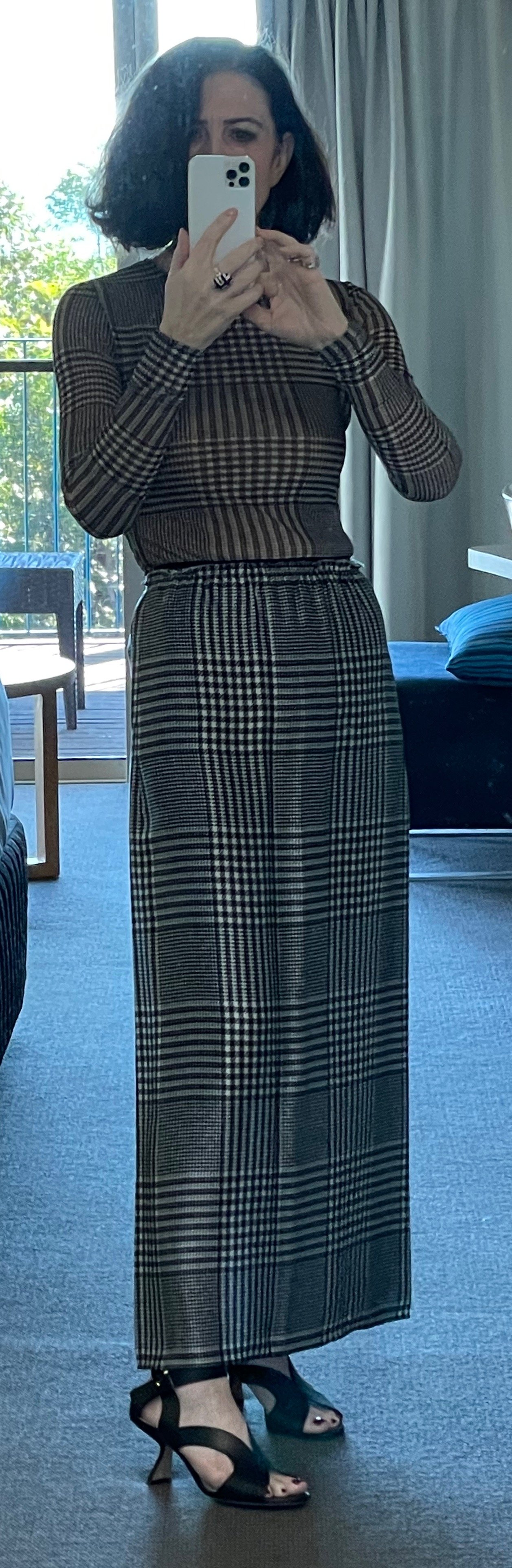
It’s freaky isn’t it that first time you have to buy size 0. The first time I did I just kept staring at the label. Mind boggling. I seem to waver between a 0 & a 2 (4 or 6 in Aust). I’ve noticed my body shape has changed in maintenance. When I originally hit my lowest weight my body shape was quite up & down - no curves like I always had. But I’ve noticed the curves are coming back, even though my lowest weight is now only a pound more, & likely why I need a size 2 in some cuts. I think the remaining fat resettles. This may happen to you too. Have to admit I bought a couple of pants & skirts with elastic waists or drawstrings so I could wear them across a size if needed when I was still losing in maintenance. The slouchy look looks quite stylish when you’re a lower weight versus sloppy when we were bigger. At least it’s pretty cheap to have extra holes punched in a belt - LOL - though my shoe repair man does it for free (& Lindsay’s had to do a lot). I’d love to have your long legs @WishMeSmaller or at least ones in proportion to the rest of my body. I’d be a good 5’5” if they were ???.
-
Do you poach your salmon in milk? It’s the only way I can eat fresh salmon - too rich & oily. I find it also softens that ‘I’ve been cooking salmon’ smell that lingers in your house for ages after.
-
Fat stores all over your body including your fingers so as you lose weight you’ll lose it from your hands & fingers too. I’ve either resized some of my rings (most was an O down to an L & it fell off my finger last week ?) or wear them on other fingers. I even have looshish skin on my fingers so they look wrinkly - didn’t expect that. I’ve slathered on many, many tubes of hand creams promising all sorts of things but the only change is softer hands. I wonder if there’s plastic surgery for fingers?? ?
-
Dry foods like chicken breasts can be hard to swallow for first couple of months. Some struggle with steak. I still have difficulty with charred meats or vegetables two years out - too dry & rough for me. Soft foods should still be a bit mushy. Try adding gravies, sauces, stocks (just watch the calories & ingredients in purchased ones) to your meats. Think thick soups, stews/casseroles type foods. The meat should be ‘fall off the bone’ breaking down tender. Try chicken thighs not breasts - they’re tastier & more tender. Try different cooking styles & recipes that will keep the meats moist like poaching, steaming, slow cooking, etc. & avoid things like grilling that can dry meat out. You may need to chew a little longer too before swallowing. It does get easier.
-
Be very careful with what you’re snacking on especially this early post op. The staged return to solid food & restricted food choices are to aid healing & not to put pressure on your internal wounds. All because you can’t see them there are a lot of stitches & staples inside you holding your tummy together. Once you are able to eat solid foods there are many high protein more nutritious snacks you can add to your diet if you need to like yoghurt, cheese, a boiled egg or small pieces of chicken. When you can tolerate vegetables try carrot or celery sticks with a little hummus. I sometimes ate chunks of cucumber sprinkled with salt or wrapped smoked salmon around the cucumber. Chia pudding is also great - you can add in some protein powder or milk powder to enrich it & up the protein content. It is likely your hunger is head hunger & your desire for food may be coming from cravings, emotional needs or simply eating out of habit. Working out why you want to eat is a big part of the work we all do. Some can do it alone. Others need the support of counselling & therapy. Don’t beat yourself up. Losing weight is not easy. It’s damn hard & sometimes we trip up. What we have to do is get up & get back on track. Good luck.
-
I’m sorry your medical team is not supportive. Lots of support & ideas on this forum which may help when your team won’t. I stopped protein shakes as soon as I was on puréed food. There are lots of protein rich foods you can eat to meet you’re protein goals at the soft food stage. Eggs, yoghurt, beans & lentils, fish, cheese. I ate lots of mince based meals: soft & easy to add favourite herbs & spices. The more solid foods will help with the nausea & hunger pangs too. Solid food take longer to digest than fluids like shakes which go through you quickly. The biggest challenge in the first couple of months is finding food your tummy likes & tastes ok. Your tummy can be very fussy & your tastebuds & sometimes sense of smell go haywire for a while & certain foods can taste & smell terrible.
-
Look for online exercise programs for people with mobility issues you can do at home. You don’t have to walk to exercise nor do you need a gym membership. Buy some resistance bands to help build your strength. I’m not an exerciser at all. Never been in a gym in my life. I walked on my treadmill only for a couple of months after surgery & I was able to lose weight & to maintain so far. (I do try to be more active in my general everyday life.) I keep my calories low to compensate for my lower activity rate. Are you tracking what you’re eating,: portion size & calories? Also, check the nutrition panels to see how much fat, sugar, carbs, salt the food you’re eating has - you may be surprised. Same with comparing the recommended portion size with the portion size you are actually eating. If you’re struggling to lose, your calorie intake must be about equal to the calories your body is burning. To lose weight your calorie intake must be less than your body is using. Contact your dietician/nutritionalist to help you. If you haven’t got one, ask your surgical team to recommend one with experience with bariatric patients.
-
You’re not the first to break their pre surgery diet & you won’t be the last. The thing is to pick yourself up & work at sticking to your plan. The first week is always the hardest (my surgeon’s team call it hell week) but it’s a good time to start looking at your motivation to eat. You can still ‘cheat’ or break your diet post surgery too cause the cheating/breaking is done by you not your sleeve. There are lots of posts here with people talking about cravings as they work through the post surgery stages. Or asking when can they eat certain non ‘diet’ foods after surgery. The sleeve can reduce your real hunger but not your head hunger like cravings for a specific taste or texture. That’s up to you. You will have to work at it. Some days will be easy but others will be so damn ‘I want to give up’ hard but you’ll work through it. If you fail one day that’s ok. Just get back on plan the next. Good luck with your surgery.
-
Some people are fast losers, others are slow losers. You’ll lose at your own pace which is right for you. Three pounds is fine. Don’t expect to be losing 30+ pounds a month like they do on My 600lb Life cause you know they weighed 609+lbs to begin & you didn’t. Follow your weight loss trend not just what you lose every day. Fluctuations are common. Some days you’ll lose nothing then lose 1/2 pound the next. Or you’ll stall & lose nothing. Sometimes for a week sometimes for three weeks. You may be constipated or retaining fluid which can account for a pound or so too. Don’t forget your body is experiencing shock after your surgery too. Give it a chance to come to terms with all the changes & heal. Keep following your plan. Good luck.


.png)
