Start here
Where are you in your journey?
Choose the path that fits today. We’ll take you to the most useful discussions.
- GLP-1 medication Zepbound, Wegovy, access, side effects, progress, and support.
- Before surgery Compare procedures, plan ahead, and get honest pre-op answers.
- Post-op Recovery, food stages, symptoms, and support.
- Long-term Regain, labs, habits, and life after the honeymoon.
- Revision Explore revision options, complications, and next steps.

Arabesque
Gastric Sleeve Patients
-
Joined
-
Last visited
Everything posted by Arabesque
-
Puréed foods should be puréed & sloppy so they are easy to swallow & digest (less strain on your healing tummy). Think baby food (I actually bought a couple of soft packs of baby food). I used stock & diluted gravy to purée minced meats. I ate lots of soup & milky scrambled eggs too. Puréed salmon & tuna, cottage & ricotta cheese was disgusting. It was only two weeks so it didn’t matter I had a few option I could eat. Pulled meats should be ok in the soft stage but make sure they’re still pretty moist. (Some people struggle with chicken breast cause it’s natural dry - try thigh meat instead.)
-
The initial restricted diet is to aid your healing. Your external incisions may look fine but internally you’re still healing - there’s a decent size wound inside you. Plus how you digest food has changed somewhat. Yes, there are different plans out there but they have a lot of basic similarities: puréed foods are puréed & sloppy, soft foods are soft & moist, allowed foods are nutritionally dense & high in protein. Processed flour carbs are not allowed because they spike your blood sugars & insulin, often swell in your tummy & are considered empty calories. (In time, you’ll be encouraged to add multi or whole grains into your diet.) Because you’re eating so little, you need to ensure everything you eat is nutrient dense. Generally it’s safer to follow your surgeon’s plan. However, you may not be able to tolerate some of the foods on your plan. Ask your dietician, or even this forum, for alternatives. Good luck.
-
1000 calories from protein & vegetables is the same as 1000 calories from pizza, burgers, fries, cake,… it’s just the protein & vegetables have better nutrients that contribute to a healthier you. Maybe on the day you had pizza or donuts, you consciously or sub consciously ate fewer calories. Who knows but I wouldn’t rely on that being a dependable or healthy way to lose weight or break a stall. At 4 months out, you’re not very far along in understanding & managing your drive to eat. What is an occasional break could easily become a regular thing & you’ll be back to where you started: cravings, weight gain, etc. In time, when you have better strategies in place to manage your cravings (because they never go), you may be able to have the odd pizza or donut. Stalls happen. They end too. Your body just needs to take a breath every now & again. You’re putting it through a lot of changes. When I stalled, I just kept to my program & I’d start to lose again. No cheating, no change to my activity or caloric intake & in a 1, 2 or 3 weeks, I’d be losing again. Good luck.
-
Some people lose quickly. Some lose slowly. Neither rates of lose are wrong. It’s just how we individually react. As @catwoman7 said there are lots of factors that influence your rate of loss. What you can depend upon is the higher weight loss you experience the first few months doesn’t last & the closer you’re to your goal the more slowly you’ll lose. Never heard that you stop losing at 6 months. I certainly didn’t. I hit my goal at 6 months but continued to lose for another year. Much more slowly in that year cause I was increasing my caloric intake to try to stop losing. If your weight loss has slowed or stopped you may have hit your point of balance i.e. you’re consuming the number calories your body needs to function. If you’re gaining, it’s because the calories you’re consuming exceeds what your body needs. The only way to keep losing is to decrease your caloric intake &/or increase your activity level. Everyone experiences small fluctuations in their weight. I’m pretty careful about my diet & my weight fluctuates about +/- 500g (about a pound up & down). It can be because I’m retaining fluid, constipation, an extra snack, a dropped snack, missed meal, adding a new food, etc. Don’t give up yet.
-
Sorry I can’t offer any help in regards to a revision to bypass & rheumatoid arthritis. I did find the article below about managing methotrexate side effects. (I was interested because I have a non bariatric friend who takes it for RA too.) May be worth another conversation with the bariatric surgeon in regards to the suggestion that taking folic acid can reduce side effects. Repairing your hernia may alleviate some of your reflux issues too. It’s unfortunate that while it’s helpful managing arthritic pain, methotrexate can also cause weight gain. ☹️ https://www.arthritis.org/health-wellness/treatment/treatment-plan/disease-management/methotrexate-managing-side-effects
-
Some meds are absorbed in different areas of your digestive system & as @lizonaplane suggested, a conversation with your prescribing doctor is needed to discuss where your meds are being absorbed & then may be seeking alternatives. Energy dips aren’t uncommon while losing. I found electrolyte drinks helpful. I drank hydralyte - found it a bit sweet though so I’d add twice the water to dilute it.
-
My reflux used to be aggravated by stress so your anxiety could be contributing. It’s understandable that you’re worried but do try to remember the positives of why you’re doing this. As @Creekimp13 suggested, do try to find something to distract you from any negative thoughts you are having about your surgery. It will be so worth it.
-
Avocado. The taste & texture of it seems gross now. I don’t really enjoy alcohol like I did. I have a glass about once a month but often don’t finish the glass.
-
Yes, sodium can cause water retention. Are you peeing a lot? You shouldn’t still be retaining fluid from the surgery at this point but you may not have got rid of it all yet. Constipation can make you feel bloated or heavy. Are you sipping slowly? Between getting in my fluids, shakes & soup I never seemed to stop sipping. Some people need longer to recover after surgery. I did but I always seem to take longer to heal/recover. I went back to work after 4 weeks & found it difficult: low energy & low blood pressure. I was so glad I was only part time but I had to leave early a couple of times because I couldn’t focus. If you’re finding it too much, have a chat with your manager about reducing your hours, a paced return to work or even working from home until you feel stronger. Try some electrolyte drinks to boost your energy too. Good luck with your recovery.
-
Protein shakes are disgusting. I preferred soups - cream, consommés, bone broths. Strain them very well to make sure there’s no herbs or small pieces of meat or vegetable in them. Warm drinks seemed to be more soothing & easier to drink. (I used to heat my chocolate shake.). It’s not uncommon for your taste buds to temporarily change or for you to become more sensitive to smells - it does pass but can make some foods taste or smell disgusting. I only bought vanilla & chocolate shakes as I thought they’d be more pleasant to drink if my taste changed. I also bought my soups, bone broths, etc. too. Buy some disposal underwear for that first week post surgery. Some us experience ‘dramatic’ diarrhoea after surgery which can be embarrassing (can literally just run out of you). Make sure you have all your over the counter meds ready at home too (pain relief, gasX, non swelling fibre supplement, Imodium, stool softener or similar, electrolyte drinks or powders, etc.). Don't be surprised if you spend a lot of time on your couch after surgery. Your energy levels will be very low. Invest in small containers for meal storage, good measuring cups, a fine strainer, kitchen scales. I used teaspoons & sporks to eat & served my food on side plates & in small bowls (tapas size). I also found it easier to sip through straws to begin. Don’t be surprised if your fridge & freezer are filled with your left overs. Good luck with your surgery.
-
I hardly ever eat cakes, desserts, etc. anymore (only a couple of times a year like at Christmas). I get my sweet from fruit, vanilla extract & the dash of honey I add to my rolled oats. If a friend made a bowl of fruit salad & say added a sparkler for my birthday I’d be happy & very touched that they considered my preferences. Remember too she’s only going to be able to eat a couple of bites. Your friend’s diet does seem very restrictive for carbs. I was allowed rolled oats from week three. Small amounts of other whole & multi grains are usually ok too as you progress. They’re very helpful with energy levels & easing the constipation. Definitely no processed carbs like bread, rice, pasta (which I still don’t eat). But there are many different plans out there & I admire your friend for sticking to hers.
-
It is challenging to meet your protein & fluid goals to begin. My surgeon said it was ok along as I was working towards meeting them. All your skates, broths your eating at the moment are liquids & count towards your fluid goals. Some people experience a lot of surgical pain &/or gas pain but some don’t. Some experience it for less than a week, others longer. I had no gas pain with my sleeve (had 4 days worth with my gall removal though) and my surgical pain was ok & I didn’t need any pain relief by day 4. Walk to ease gas pain & try some gas X. If your pain is severe & your prescribed pain meds aren’t helping, contact your medical team. It seems like people either are constipated or have diarrhoea post surgery. Try some stool softeners or other gentle stimulants (some swear by smooth move tea) in a day or so if you are still constipated. Constipation will be a regular experience while you’re losing. Honestly I have never talked about bowel movements as much as I have since surgery - LOL!! You’ve just had major surgery & altered how your body digests food. It’s completely different than what you’ve ever experienced before. You’re allowed to be be scared, confused, emotional, … We all heal & recover from surgery in our own time. Allow yourself the time you need. It definitely does get better.
-
Chia pudding is a good go to. As is fruit salad & yoghurt, cool whip or low fat mascarpone.
-
I used bio oil. Worked well for me. Some people love the silicon scar tapes too.
-
Some people do struggle with chicken because it can be too dry so it could have been that. Tuna can be dry as well. If it only happens with certain foods it’s likely the food. Take those foods off your meal rotation for a week or more & then try them again. The wait 30 minutes is a general recommendation. Some need to wait longer some less. It does get easier as you progress. Most don’t need to wait 30 minutes in the long term but they still have to have a wait period of some duration. Make sure you eat & sip slowly taking a break before the next bite or sip. Are you eating until you’ve had enough or until you’re full (there is a difference)? It takes time for the message to get through that you’ve eaten enough. If you eat until you’re full (the ugh I shouldn’t have had that last bite feeling or your restriction kicks in) you may need to wait longer for your tummy to empty a little to allow you to drink without causing discomfort. It does take time to work out the idiosyncrasies of your new digestive system. Good luck.
-
Broccoli isn’t a starchy food. Basically if it grows under the ground it’s a starchy vegetable. There are above ground exceptions like corn, sweet potatoes, peas, pumpkins which are starchy. I was put on keto but my friend followed a 2 shakes plus one meal of lean protein & vegetables (steamed preferred) diet. But no snacks, no dressings, no sauces, no dairy except milk in her tea or coffee. She grilled or roasted her meat & just steamed or microwaved her vegetables. She could add vinegar or lemon juice & any herbs or spices to flavour her meats & vegetables. I know she made omelettes a few times & baked some fish (made foil parcels with various herbs) besides basic meat & vege meals. Non starchy vegetables: Artichokes Asparagus Bean sprouts Brussels sprouts Broccoli Cabbage Cauliflower Celery Cucumber Eggplant (also known as aubergine) Mushrooms Onions Peppers (also known as capsicum) Salad greens Spinach Tomato Turnips Zucchini (also known as courgette)
-
Best thing to do is contact your medical team because as @SummerTimeGirl said plans are different. Mine was protein shakes, soups (cream or broths/consommés), milk. No puddings, jellies, popsicles or yoghurt. No carbonated drinks or juice. No caffeinated drinks but I could have herbal or green tea. Everything counted towards my daily fluid goal for these two weeks (whoo hoo!). Congrats on your surgery.
-
Yes, for many of us food can taste terrible & even things we used to love taste disgusting. It’s because our taste buds & sometimes our sense of smell changes & becomes extra sensitive after surgery. This will pass. Plus your tummy can be pretty fussy for a while. A food that’s disgusting or makes you unwell this week maybe more palatable in a week or two so don’t give up. I wasn’t hungry or interested in eating either. It’s a result of the surgery & the hunger hormone producing area of your tummy being removed. But I knew I had to eat. I knew I had to work at getting my protein in otherwise I’d compromise my healing & my health. My food rotation was not very wide the first couple of months. I slowly tried new foods to see how I would tolerate them. On soft foods your food should still be a bit sloppy. If it’s too dry the food could feel like it’s stuck &/or cause discomfort. Slow cooked casseroles, stews, etc. are perfect. I ate a lot of mince slow cooked with tomato, celery, onion. I also made soups with finely diced meats & vegetables - let them simmer for ages. I also ate rolled oats, scrambled eggs, yoghurt poached fish. Try tinned salmon or tuna, beans, add herbs & spices. If you want salty try adding extra salt to what you’re eating. If you want sweet try some apple purée. Some people struggle with beef or chicken to begin so take them slowly. Discovering why you eat is extremely important to your success. As is making changes to what you eat. It won’t be easy to work out how to manage your cravings & not succumb to them. Succumbing to them lead us to being overweight in the first place. As did eating the way we did. This is the having to do the head work we all talk about. It’s not easy. There’s not an quick solution. Those cravings will always be there. Many try therapy to help identify what’s driving the cravings & to develop strategies to support them to manage them. It does all get easier but just not overnight. There’s a lot of work ahead but it’s so worth it. Good luck.
-
Snap! I’ve lost about a kilogram (about 2lbs) in the almost 3 weeks post surgery too @WishMeSmaller. Just wrote about it OOTD. Was 49 day of surgery. 51. 5 two days after surgery (fluids) & hover around 47.9 - 48.2 now. It’s because I’m hungry but not hungry & don’t know what I want to eat. (Plus I’ve had diarrhoea from body getting used to not having a gall.) Do you feel the same? I’ve just put it down to getting over having surgery & that it’s temporary. It’s odd how every pound we lose seems to mean so much more when we’re on the lower end of the scale. Three weeks ago my surgeon was happy with my weight. Yesterday, he says I have to put on weight all because of one kg. ??♀️ Finding that balance in maintenance is hard. I just added more snacks though it’s a challenge when you’re working to keep eating. I snack 4 or 5 x a day on combinations of peanut paste, multigrain crackers, yoghurt, cheese, chia pudding, fruit & protein bar. I also added non diet salad dressing & a little honey to my porridge. Because I detested protein powders & shakes my dietician suggested enriching my milk with powdered milk - extra calories & protein. I found it too sweet with my porridge but it worked well with chia pudding. I had a couple of hypoglycaemic events before my weight finally stabilised. I find I just have to eat regularly & keep my fluids up. I usually carry a protein bar with me. I did have an event a month ago - my fault - standing way too long in a crazy long queue & needed food & water. Hopefully you’ll work out what you need to manage yours or it sorts itself out when your weight stabilises too. Love the bikini pxts. You look so good.
-
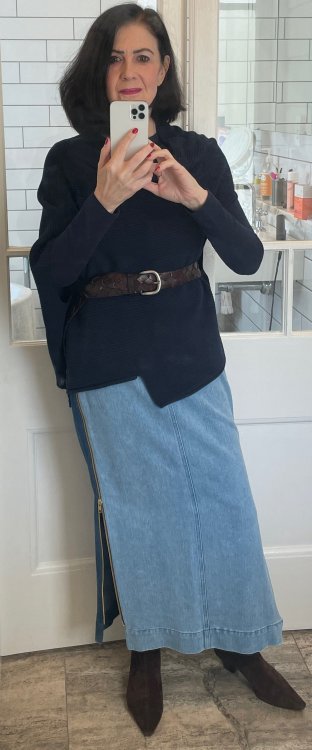
Had to see my surgeon post gall removal. He said I looked good but then said I needed to put on a couple of kg. Three weeks ago he said I’d done very well after he weighed me so I’m a bit confused. I told him I’d dropped about a kg since surgery - hungry but not hungry, don’t know what I want to eat & I’ve had some diarrhoea. My skirt is a bit big on me so I maybe I looked like I’d lost more. ??♀️
-
It’s amazing how different we all are @WishMeSmaller & @Starwarsandcupcakes. I’m very fair too & avoid the sun as much as I can. Some days the only sun I see is when I walk to my mail box at my front gate - about 4steps - yet my vitamin D is really good. Never been an issue.
-
As we get older, our ability to absorb vitamin D is reduced. The recommended daily allowance is 600 to 800iu depending upon age. But as @Soon2bFit21 suggested, a dose of 10000 may be to restore vitamin D levels to an acceptable range. I would expect the dose would be reduced once levels improved but it is possible you will always need to take a supplement … &/or do daily naked sunbathing as @Creekimp13 suggested ?.
-
As you lose weight, oestrogen which has been stored in your fat is released into your blood stream. This hormonal flush can exacerbate any of the symptoms you experienced with your periods like making your periods heavier, more painful or more frequent. For you it’s possible this means you become nauseous. (Hormones are a b##ch.) If this is the cause, it will eventually pass. Always best to give your medical team a call especially if you’re concerned, it’s debilitating, persists or restricting your life.
-
Every one loses at their own rate. There is no right or wrong amount of weight to lose each week. Yes, there may be average amounts of loss people who are similar height, weight, age, gender, etc. may have in common. As long as you see the trend of your weight loss going down you’re succeeding. The amount you lose each week will also slow as you progress. It is possible you are experiencing a stall as has been suggested. These are extremely common. We talk about the three week stall but that first one can happen at week 2, 3, 4, 5 …. It’s just your body taking a breath & trying to catch up with the changes (surgery, weight loss, reduced calories, dietary changes,…). You will likely have other stalls as you’re losing. We’ve all been on that gain, lose, gain roller coaster. Personally I know the reason I always regained after losing was because the diets I was on weren’t sustainable or I just went back to the same old way of eating. I’d start regaining a couple of weeks after the diet ended. The difference this time is that I work at sticking to the changes I made to how I eat, what I eat, why I eat every day. I have many years ahead of me but I’m going to work my butt off to try to stay my course cause that desire to go down my old path is always there. I just understand it & manage it better now. Your success starts & ends in your head. It’s not just what you put in your mouth. You have to do the head work. Many do this with the help of a therapist, others do it themselves. There are lots of people here who are happy to share experiences & offer support. Follow your plan, meet your protein goals, get your fluids in, be more active and your weight loss will continue. You’ll get there.
-
So sorry you are experiencing such severe gerd. It is really important you get your fluids in & not risk dehydration. Try some warm drinks like herbal or uncaffeinated tea or even warm water - the warmth is more soothing than cold. I’d probably avoid the flavoured waters & Gatorade too as there could be something in them which aggravates the gerd. When my reflux was diagnosed almost 30yrs ago, I made but changes to my diet. I cut back on all carbonated drinks (couple of glasses of soda, tonic or sparkling water a month only), cut out all spicy food, reduced my fat intake, avoided rich creamy foods & high acid foods, etc. which helped me a lot - didn’t stir up the excess acid in my tummy. I’m sorry this isn’t working for you. I also slept on a elevated bed like you do. (I used bricks under the legs of the top of the bed so your whole body is on an incline not bent at your upper chest/neck which causes the acid to pool there.) I was experiencing some late night acid burning in my throat & I was advised to avoid hard protein 2 hours before bed - liquid or soft protein is fine. May be helpful so you can a little more comfort at night. Just suggestions. I hope your surgeon can help you.