Start here
Where are you in your journey?
Choose the path that fits today. We’ll take you to the most useful discussions.
- GLP-1 medication Zepbound, Wegovy, access, side effects, progress, and support.
- Before surgery Compare procedures, plan ahead, and get honest pre-op answers.
- Post-op Recovery, food stages, symptoms, and support.
- Long-term Regain, labs, habits, and life after the honeymoon.
- Revision Explore revision options, complications, and next steps.


Alex Brecher
Founder
-
Joined
-
Last visited
Everything posted by Alex Brecher
-
After bariatric surgery, certain foods are restricted or completely off limits because they can cause discomfort, slow your progress, or even lead to complications. Understanding why these foods are avoided helps you make better choices and stay focused on your long-term goals. Carbonated drinks are one of the first things to go. The gas in these beverages can cause bloating, stomach pressure, and discomfort. Over time, they may also stretch your pouch or lead to poor digestion. This includes soda, sparkling water, and even sugar-free fizzy drinks. Foods high in sugar are also restricted, especially for patients who have had a gastric bypass. Eating too much sugar can trigger dumping syndrome, which causes nausea, rapid heartbeat, cramping, and diarrhea. Even without dumping, sugary foods provide empty calories that can sabotage weight loss. Tough or dry meats, like steak or pork chops, are challenging to digest and can cause food to get stuck or lead to vomiting. As your pouch matures, you may tolerate them in small amounts, but many patients continue to avoid them or choose ground or slow-cooked versions instead. Fried foods and high-fat items are often poorly tolerated and can slow digestion, cause nausea, or lead to weight regain. These foods are calorie-dense and do not offer the protein or nutrients your body needs. White bread, rice, pasta, and other refined carbs can clump together in your pouch and cause discomfort. They also offer little nutritional value and can lead to blood sugar spikes or cravings. Some patients choose to avoid these foods entirely, while others add small amounts back over time with guidance. Nuts, seeds, popcorn, and raw vegetables can be hard on your digestive system early on. They may be reintroduced gradually, but only once your care team says it is safe. These foods require thorough chewing and may still cause issues for some people. The main reason foods are restricted is to protect your healing stomach and help you develop habits that support your weight loss. These guidelines are not meant to punish or deprive you. They are designed to give your body the best chance to heal, adjust, and thrive.
-
After bariatric surgery, meal planning becomes simpler in some ways and more structured in others. You will eat smaller portions, fewer ingredients, and more protein-focused meals. Having a clear plan and realistic portion sizes can help you stay on track and avoid overeating or undernourishing your body. In the early stages, most meals will be based around protein shakes, pureed foods, or soft textures. As you move into the regular food phase, your meals will become more varied, but the structure remains the same. Protein always comes first, followed by non-starchy vegetables, then healthy fats or limited complex carbs. Portion sizes will vary depending on your stage of recovery, but here are general guidelines. In the pureed phase, meals are usually two to four tablespoons. In the soft food phase, aim for about one-quarter to one-half cup per meal. In the solid food phase, your meals may range from half a cup to one cup total. Snacks should be smaller and always purposeful. A sample full day might include a morning protein shake, a soft scrambled egg with low-fat cheese for lunch, a few ounces of ground turkey with mashed cauliflower for dinner, and sugar-free pudding or Greek yogurt as a snack. Focus on foods that are low in sugar and high in nutrients. Avoid grazing between meals or relying on slider foods like chips, crackers, or sweets that go down easily but offer little nutrition. These can lead to weight regain even when you are eating small portions. Drink fluids between meals, not with them. Track your protein, water, and vitamin intake daily, especially in the first few months. Use a journal, app, or simple checklist to stay consistent. Your needs may change over time. As you lose weight and increase your activity level, your care team may adjust your calorie or protein goals. Keep checking in regularly and ask for help if you are unsure about how much or what to eat. A good meal plan after surgery is not about restriction. It is about fueling your body in a way that supports healing, energy, and long-term success.
-
Cravings and emotional eating do not disappear after bariatric surgery. They can become more noticeable as you adjust to a smaller stomach and a new way of eating. Managing these urges is an ongoing part of long-term success and requires awareness, strategy, and support. Cravings are not always about hunger. They are often triggered by habits, emotions, or environmental cues. You may crave sugar, carbs, or comfort foods when stressed, bored, tired, or simply out of routine. Surgery changes your anatomy, but it does not automatically break these patterns. Start by identifying your triggers. Keep a journal or make mental notes when cravings show up. Are you tired? Lonely? Watching TV? Recognizing what drives the craving gives you a chance to pause and respond in a new way. When a craving hits, try distraction first. Go for a walk, call a friend, drink water, or do something with your hands. Often, the craving passes within a few minutes if you give yourself time to shift focus. If you are genuinely hungry, choose a protein-rich option that fits your plan. Sometimes what feels like a craving is your body asking for fuel. If it is emotional, find a non-food way to meet the need. This might mean journaling, deep breathing, or taking a short break to reset. It is also important to avoid having trigger foods readily available. Create an environment that supports your goals. Stock your kitchen with foods that nourish you and limit access to items that are hard to resist. Do not shame yourself for struggling with cravings. It happens to everyone. The key is to notice the pattern and redirect before it becomes a habit again. If emotional eating becomes frequent or challenging to manage, work with a therapist or counselor who understands bariatric surgery. Mental health support is a valuable part of this journey and can make a big difference in how you cope with stress and stay on track. Over time, your relationship with food can become more balanced and intentional. Managing cravings is not about perfection. It is about building tools to support yourself when things get tough.
-
Mindful eating is one of the most important habits you can build after bariatric surgery. Your stomach is smaller, your hunger cues may change, and your old eating patterns may no longer serve you. Learning to slow down, pay attention, and eat with intention will help you feel better and get the most from your surgery. Start by eliminating distractions during meals. Avoid eating while watching TV, scrolling your phone, or working. Instead, sit at a table and focus on your food. This helps you recognize fullness sooner and avoid overeating, which can lead to discomfort or nausea. Chew every bite thoroughly. Aim for a soft consistency before swallowing, especially in the first few months when your stomach is healing. Taking your time also gives your brain time to register when you are full. Meals should take at least twenty minutes, even when portions are small. Use small plates and utensils. This makes portion control feel more natural and helps you avoid serving more than you need. Your meals should be built around lean protein, with small portions of vegetables and healthy fats. Check in with your hunger level before, during, and after each meal. Ask yourself if you are truly hungry or just bored, tired, or stressed. Stop eating as soon as you feel satisfied, not stuffed. This takes practice, but over time you will start to trust your body’s signals more easily. Avoid drinking during meals. Fluids can make food move too quickly through your stomach or cause discomfort. Wait at least thirty minutes after eating before you start sipping again. Mindful eating also means being honest with yourself. If you find yourself grazing throughout the day, eating out of emotion, or ignoring fullness cues, pause and reflect. These patterns can get in the way of progress. Talk to your care team or a therapist if you need support. Food is still meant to be enjoyable, but now it also has a clear purpose. It fuels your body, supports healing, and helps you meet your goals. Eating mindfully lets you stay connected to that purpose without guilt or confusion.
-
After bariatric surgery, your digestive system becomes much more sensitive. Foods you used to eat without a problem may now cause discomfort, nausea, bloating, or other symptoms. This is completely normal and often temporary, but it requires patience and careful attention. Common food intolerances after surgery include red meat, raw vegetables, high-fat foods, dairy, fried foods, and anything very spicy. Sugar and high-carbohydrate foods can also trigger dumping syndrome in some procedures, especially gastric bypass. Dumping causes a rapid heart rate, sweating, nausea, and diarrhea shortly after eating. If you experience symptoms after eating, take note of what food caused the issue, how much you ate, and how you felt afterward. Sometimes the problem is not the food itself, but how quickly it was eaten, how well it was chewed, or what else it was combined with. Reactions often lessen over time. Many patients can tolerate certain foods again after a few months of healing. That said, some intolerances can last longer or even be permanent. The key is to listen to your body and avoid forcing foods that clearly do not sit well. Gas, bloating, and constipation are also common during recovery. These may be related to how much air you swallow while eating or drinking, your fiber intake, or how much fluid you are consuming. Walking regularly, chewing thoroughly, and staying hydrated can help. If needed, talk to your surgeon or dietitian about safe ways to manage these symptoms. Lactose intolerance can develop even if you tolerated dairy before surgery. If you notice stomach cramps, bloating, or loose stools after eating dairy, try switching to lactose-free products or alternatives like almond or soy milk. Constipation is often caused by dehydration, low fiber intake, or pain medication. Focus on fluids and protein, and gradually add soft fiber when your care team says it is safe. Stool softeners may help, but always get approval before using them. Your digestive system is going through significant changes. Discomfort does not always mean something is wrong, but it is worth tracking and discussing with your medical team. They can help you adapt your diet, avoid triggers, and feel more confident as your body adjusts.
-
Reintroducing food after bariatric surgery is a slow and structured process. Your stomach is healing, your digestive system is adjusting, and your body is learning to respond to smaller portions. The goal is to protect your results and avoid discomfort or complications. You will follow specific stages starting with clear liquids, then full liquids, pureed foods, soft foods, and finally solid foods. Each stage lasts about one to two weeks, but your surgeon will give you a personalized plan. Moving too quickly or skipping a stage can lead to pain, nausea, or vomiting. When it is time to try new foods, go slowly. Introduce one food at a time and wait to see how your body responds. Some foods may be harder to tolerate at first, especially dense meats, raw vegetables, or anything with tough skins. You may need to avoid these until your digestion improves. Portion sizes will be very small in the beginning, usually just a few tablespoons at a time. Chew everything thoroughly and eat slowly. Meals should take at least 20 to 30 minutes. Stop eating as soon as you feel satisfied to avoid stretching your pouch or triggering nausea. Focus on protein first. Each meal should include a source of lean protein such as eggs, fish, poultry, tofu, or low fat dairy. Once protein is covered, you can add soft vegetables and eventually small amounts of healthy fats or fruit. Avoid empty calories like crackers, chips, bread, and sweets. It is normal to feel full quickly or to lose interest in food altogether. That is part of the process. Appetite usually returns over time, but your relationship with food may change permanently. This is an opportunity to build new habits and patterns that support your long term health. Keep a food journal or use a tracking app to monitor what you eat and how your body responds. If you notice symptoms like pain, reflux, or vomiting after certain foods, let your care team know. They can help adjust your plan or identify possible sensitivities. Reintroducing food is not just about what you eat. It is about learning new habits, respecting your body’s signals, and finding a new rhythm that works for you.
-
After bariatric surgery, your ability to absorb nutrients is reduced. Even procedures that do not involve intestinal bypass can still lead to deficiencies over time. This is why daily vitamin and mineral supplementation is essential for life. It is not optional. It is part of the long term care that keeps you healthy and prevents serious complications. Most bariatric patients are advised to take a complete multivitamin that is specifically designed for bariatric needs. These typically contain higher levels of certain nutrients like vitamin B12, iron, folate, and fat soluble vitamins such as A, D, E, and K. Regular over the counter vitamins are usually not enough. In addition to a multivitamin, many patients also need separate supplements for calcium with vitamin D, iron, and vitamin B12. Calcium is usually taken two or three times a day in smaller doses, because the body can only absorb a limited amount at one time. Iron and calcium should not be taken together, as they compete for absorption. B12 is often taken sublingually or through injections, since absorption through the digestive tract is impaired. Your doctor may also recommend vitamin D testing and higher doses if you are deficient. It is important to follow your surgeon’s or dietitian’s exact supplement plan. This plan may be adjusted based on your lab results. Routine bloodwork is usually done every three to six months in the first year, then yearly after that. These tests help catch any deficiencies early so they can be corrected. Skipping supplements or taking them inconsistently can lead to fatigue, hair loss, memory problems, anemia, nerve damage, bone thinning, or other serious long term effects. These issues often develop gradually and may not be obvious until damage has already been done. Set a daily routine that includes your supplements. Use a pill organizer, phone reminders, or apps to keep track. It may seem overwhelming at first, but most patients adjust quickly once it becomes a habit. Taking your vitamins is not about being perfect. It is about protecting your health and giving your body what it needs to function well for the rest of your life.
-
Staying hydrated after bariatric surgery is just as important as getting enough protein. Your new stomach holds much less than before, so you cannot drink large amounts at once. Instead, you will need to sip water and approved fluids steadily throughout the day to avoid dehydration. Most bariatric programs recommend drinking at least 64 ounces of fluid daily. This includes water, broth, electrolyte drinks, and other non-carbonated, caffeine-free, and sugar-free beverages. In the first few weeks, even reaching this amount can be difficult, but it will get easier as your body adjusts. You should avoid drinking with meals. Fluids can fill your stomach too quickly or push food through too fast, which can cause discomfort or reduce the effectiveness of your surgery. Instead, stop drinking 15 to 30 minutes before a meal and wait at least 30 minutes after eating before you resume sipping. Signs of dehydration include headache, dry mouth, dark urine, dizziness, and fatigue. If you notice these symptoms, increase your fluid intake immediately. Severe dehydration may require IV fluids and is one of the top reasons patients return to the hospital after surgery. Carry a water bottle with you at all times. Set reminders on your phone or use hydration tracking apps to stay consistent. Some patients find that adding flavor drops or infusing water with fruit makes it easier to drink. Just be sure whatever you use is sugar-free and approved by your care team. Avoid carbonated drinks, alcohol, and caffeinated beverages unless your surgeon says they are safe. These can irritate your stomach, reduce nutrient absorption, or cause bloating and discomfort. Learning how to manage hydration with a smaller stomach is a key part of long-term success. It takes effort, but once it becomes a habit, it becomes second nature.
-
After bariatric surgery, protein becomes the most important part of your diet. Your body needs it to heal, maintain muscle mass, and support metabolism during rapid weight loss. Without enough protein, you may feel weak, lose muscle instead of fat, or slow your progress. Most bariatric programs recommend starting with 60 to 80 grams of protein per day, but some patients may need more depending on their size, surgery type, and individual needs. Your care team will give you a specific number to aim for and may adjust it as your recovery continues. In the early stages, protein shakes are the easiest and most reliable way to hit your goals. You will likely start with clear or full liquid protein supplements and slowly introduce soft foods like eggs, fish, or Greek yogurt. As your diet progresses, you will rely more on whole food sources and less on supplements, but protein shakes may remain part of your routine long term. To stay on track, always eat protein first. Whether you are drinking a shake or eating a full meal, prioritize protein before anything else. Once you meet your daily protein target consistently, you can focus on vegetables, healthy fats, and eventually some complex carbohydrates. Tracking your intake is helpful, especially in the first few months. Use a food log or app to make sure you are staying within range. Missing your protein goals occasionally is not a crisis, but falling short repeatedly can lead to complications and poor outcomes. Common signs of low protein include fatigue, hair thinning, slow healing, and muscle loss. If you notice these symptoms, talk to your care team. They may recommend adjusting your protein target or trying different sources. Getting enough protein takes effort, especially with a smaller stomach, but it is one of the most effective ways to support your recovery, protect your muscle, and stay on track with your weight loss goals.
-
Your post op diet is one of the most important parts of recovery after bariatric surgery. It is designed to let your stomach heal, help your body adjust to smaller portions, and support long term weight loss. The diet progresses in stages, with each one building on the last. Following it exactly helps avoid complications and gives your body the best chance to succeed. The first stage is the clear liquid diet. This usually lasts one to three days after surgery. You will sip small amounts of water, broth, and sugar free clear liquids. The goal is to stay hydrated without irritating your stomach. Next is the full liquid stage, which includes protein shakes, milk, strained soups, and sugar free puddings. This phase usually lasts about one week but may vary depending on your surgeon’s plan. Protein intake becomes the priority, and you are expected to meet daily protein goals with liquids alone. After that, you will move into the pureed or blended foods stage. Foods should be the consistency of applesauce or smooth mashed potatoes. You may eat soft proteins like blended chicken or fish, cooked vegetables, and low sugar yogurts. This stage usually lasts one to two weeks. Then comes the soft food stage. You can now eat soft, moist foods that are easy to chew. Examples include scrambled eggs, tuna, ground meats, beans, and well cooked vegetables. Bites should be small and chewed thoroughly. This stage helps ease the transition to regular food and usually lasts about two weeks. The final stage is the regular bariatric diet. This starts around four to six weeks after surgery, depending on your recovery. You will begin eating solid foods in small portions. Protein always comes first, followed by vegetables and healthy fats. Carbohydrates are limited, and sugary foods are avoided. You will continue to eat slowly, stop when full, and avoid drinking during meals. Each phase of the diet has a purpose. Rushing ahead or eating the wrong texture can cause pain, vomiting, or serious complications. Follow your care team’s instructions, take your time, and ask questions if something is unclear. Your long term success starts with these early steps.
-
That’s a long run with the band. You’re right, there’s not much Lap-Band talk anymore. Most people either had problems or moved on to other surgeries, so stories like yours don’t get heard much. Sixteen years, almost no fills, still doing its job, and only now getting a small unfill is pretty rare. Funny thing is, BariatricPal actually started as LapBandTalk back when the band was huge, so you’ve been around longer than most here.
-
All the scales say something different, and it makes me crazy, too. I go by mine at home now. I weigh myself first thing in the morning, after using the bathroom, without any clothes, the same way every time. That’s the only number I track.
-
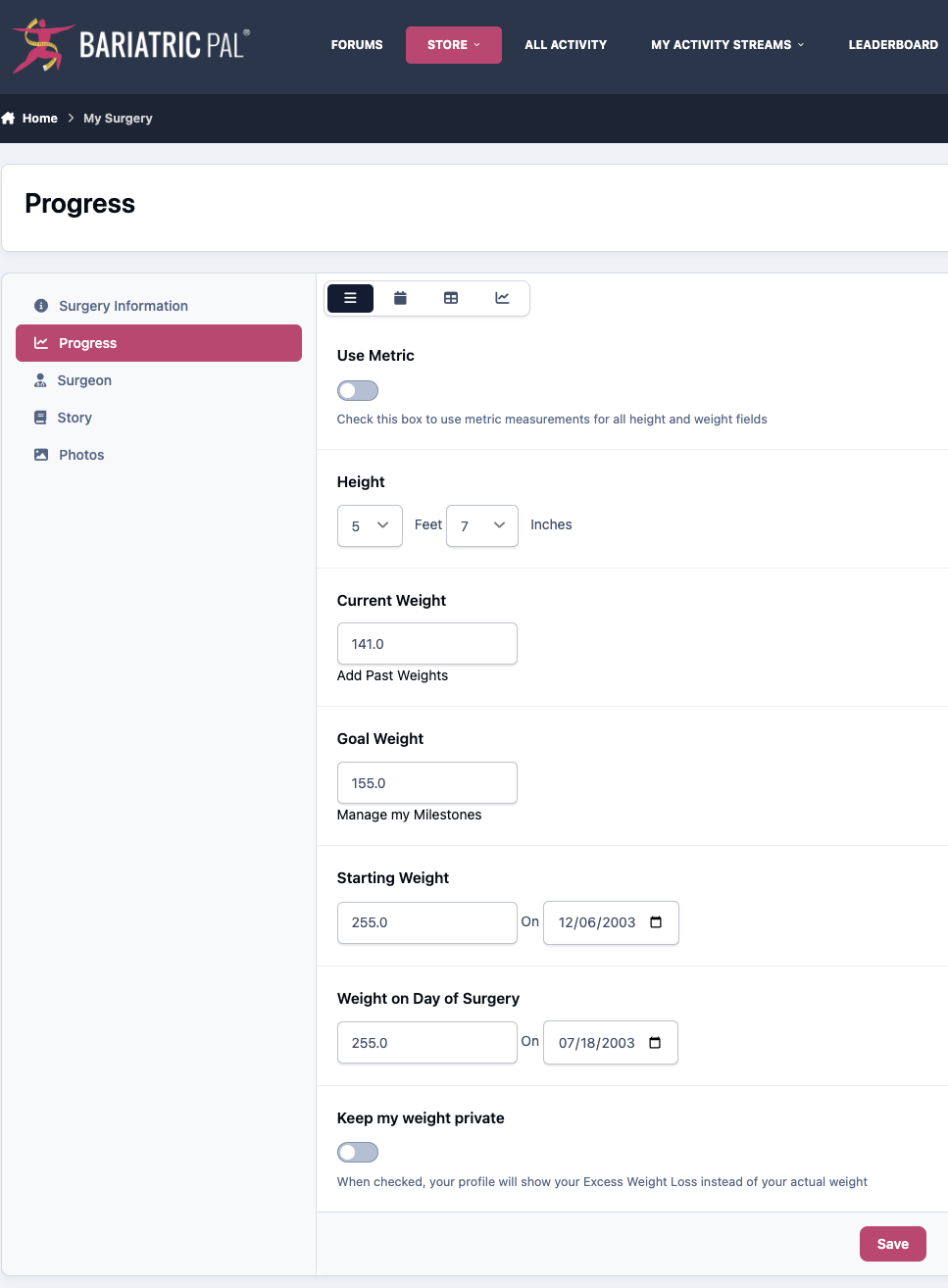
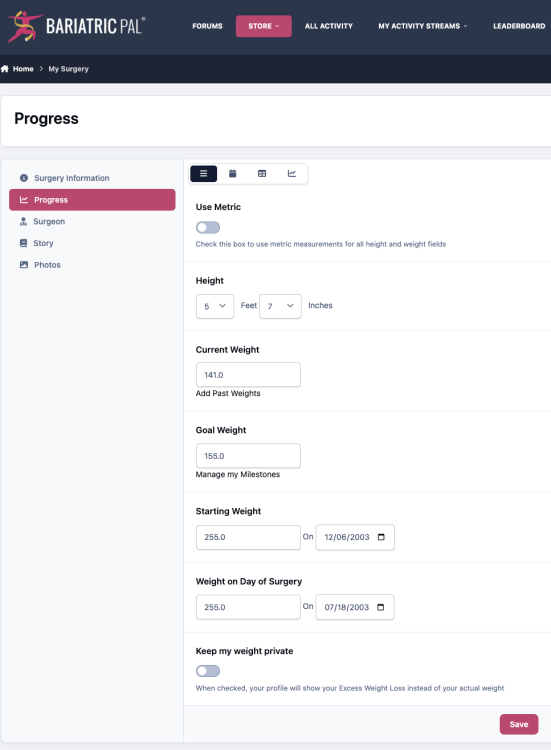
It's under the progress tab at https://www.bariatricpal.com/patients/portal/?do=progress
-
Tickers are being phased out. They slowed down the forums and didn’t look good on mobile devices. Since most people use phones to access our forums, we might consider bringing them back in a more mobile-friendly version in the future.
-
I had the same issue with the Libre 3. Accuracy was all over the place until I figured out the right spot to place it. Since then, it’s been way better. I also switched to the Libre 3 Plus and noticed it’s more reliable. I wear it because I used to get reactive hypoglycemia. What’s crazy is that ever since I started taking 2.5 mg of tirzepatide weekly, the hypoglycemia is completely gone.
-
You can now post GIFs with GIPHY on the BariatricPal forums! Just tap the GIF icon when writing a post and add some fun to your replies.
-
I’d tell him to sleep in another room for the next 3 weeks and get an air purifier running nonstop in your bedroom. That test is super sensitive, and even small traces from vaping can build up. You’re not doing anything wrong, but you need a total break from exposure if you want to pass.
-
The early weeks after bariatric surgery are all about healing, adjusting, and building new habits. While no recovery is perfect, there are simple things you can do to make the process smoother and more manageable. Follow your surgeon’s instructions exactly. Every program is a little different, so do not rely on advice from others unless it comes directly from your medical team. Your recovery plan is based on your body, your surgery, and your unique needs. Stay ahead of hydration. Dehydration is one of the most common reasons patients end up back in the hospital. Sip water or approved fluids all day long. Set a timer if needed. Do not wait until you feel thirsty. Stick to your diet stages. Rushing back to solid foods or eating too quickly can cause pain, nausea, or serious complications. Let your stomach heal. Eat slowly, chew thoroughly, and stop when you feel satisfied. Walk every day, even just a little. Movement helps with circulation, digestion, and energy. It also reduces the risk of blood clots and helps you feel more in control of your body. Manage pain smartly. Take medications as prescribed, but also use other tools like a heating pad or gentle stretching if allowed. Do not push through pain that feels sharp, intense, or new. Stay on top of vitamins and protein. Start your supplements as directed, and make protein a priority in every meal or shake. These two habits are key to recovery and long-term success. Get comfortable asking for help. Let friends or family take on errands, chores, or childcare. Focus on rest, recovery, and healing. You only get one shot at a strong start. Track your progress, but do not obsess. Weighing yourself every day is not always helpful. Focus on how you feel, how your clothes fit, and the small wins that show your body is healing. Keep follow-up appointments, even if you feel fine. These visits are how your team catches problems early, adjusts your supplements, and tracks your long-term success. Stay connected. Whether it is a support group, a forum, or a few trusted friends, having someone to talk to makes the journey easier. You are not in this alone.
-
When to return to work after bariatric surgery depends on the type of procedure you had, how physically demanding your job is, and how well your recovery is going. Most people return within one to three weeks, but the exact timing should be decided with your surgeon. If your job is primarily desk-based and does not require lifting or long hours on your feet, you may feel ready to return in about one to two weeks. For more physically active jobs or roles that involve travel or night shifts, your doctor may recommend waiting a bit longer. Fatigue is very common in the early weeks, so it is essential to listen to your body. Even if your incisions are healing well, your energy level may not be back to normal. Taking short breaks, staying hydrated, and avoiding large meals during the day can help ease your transition back. Some patients choose to go back part-time at first or adjust their responsibilities during the early phase of recovery. If possible, plan a gradual return with your employer or consider starting midweek instead of on a Monday to avoid a full five-day stretch right away. You will need to avoid lifting heavy objects for several weeks after surgery. If your job involves manual labor, ask your surgeon to provide a written note outlining your restrictions so you can recover safely without risking complications. Returning to work can also be emotional. You may be adjusting to a new way of eating, explaining your surgery to coworkers, or managing early weight loss in a public setting. Planning can make this easier. Prepare meals or shakes in advance, bring vitamins with you, and give yourself space to adjust. There is no perfect timeline. Healing is different for everyone. What matters is that you feel well enough to focus, move safely, and take care of your health while returning to your regular routine. Lifting and physical limits While your incisions heal, activity is restricted to light movement. Avoid lifting anything heavy, and the everyday things count: grocery bags, a full laundry basket, a small child. Your surgeon will give you a specific weight limit and a timeframe, and it is worth asking rather than guessing, because the answer varies by procedure. Restricted does not mean still. Moving as much as you comfortably can speeds recovery and lowers the risk of blood clots. Walking around the house, gentle chores like folding laundry, and getting up regularly rather than sitting for hours all count. Most people are back to a full range of normal activity within a few weeks. If your job or your hobbies involve lifting, confirm the timeline with your surgeon rather than assuming the general one applies.
-
Bariatric surgery is a physical transformation, but it is also an emotional one. Many patients are surprised by the range of feelings they experience in the weeks and months after surgery. Some days bring excitement and motivation, while others bring anxiety, sadness, or even regret. All of it is normal. In the early weeks, hormonal shifts from rapid weight loss can impact your mood. You may feel weepy, irritable, or emotionally overwhelmed for no clear reason. Add in physical discomfort, changes in routine, and a strict diet, and it is easy to feel off balance. These feelings usually pass, but it helps to know you are not alone. Food has likely played a significant role in your life for comfort, celebration, and coping. After surgery, those habits are disrupted. You may grieve the loss of familiar routines or feel unprepared to manage stress without eating. This emotional adjustment is just as real as the physical recovery and deserves attention. Body image is another area that can be complicated. You may feel excited about early weight loss, but still struggle with how you see yourself. Some people have loose skin or notice attention from others in ways they are not used to. These changes can stir up unexpected feelings, even if the weight loss is welcome. It is essential to talk about what you are feeling. Support groups, whether online or in person, can help you connect with others who understand. Counseling or therapy is also a valuable tool during this time. Many bariatric programs include mental health support, and it is okay to use it. You are not expected to handle everything perfectly. Progress is not always linear. What matters is staying engaged in your care, asking for help when you need it, and recognizing that emotional recovery is part of the process. There is strength in facing the hard days with honesty and compassion for yourself.
-
While most side effects after bariatric surgery are normal and improve with time, some symptoms are not part of the typical recovery and may indicate a complication. Knowing the difference between normal discomfort and a red flag can protect your health and prevent delays in treatment. Severe abdominal pain that does not improve or gets worse is one of the most important warning signs. Some soreness is expected, but sharp or persistent pain, especially if it interferes with breathing or movement, should be evaluated immediately. Fever may indicate an infection, especially if it is over 101 degrees Fahrenheit or does not go away with rest. Chills, sweats, or feeling flu-like are also warning signs. These can sometimes point to an issue at the incision site or inside the body. Vomiting or inability to keep fluids down for more than a few hours is a reason to call your care team. Dehydration is a common cause for hospital readmission, and untreated dehydration can lead to more serious problems. Signs of infection at your incision sites include redness, swelling, warmth, drainage, or a foul smell. These symptoms should not be ignored, even if you do not have a fever. Shortness of breath, chest pain, or feeling lightheaded could signal a serious issue such as a blood clot or pulmonary embolism. These are medical emergencies. Go to the nearest emergency room or call for help if these symptoms occur. Pain or swelling in one leg more than the other could also be a sign of a blood clot. This is why walking regularly and wearing compression garments as directed is so important after surgery. Rapid heart rate, confusion, or feeling faint are additional signs that something may be wrong. If something feels off or you are unsure, it is always better to contact your surgeon or go in for evaluation. You know your body. If something feels unusual, do not wait and hope it gets better. Early attention often makes treatment easier and prevents complications. Your care team is there to help and wants to hear from you when something does not feel right.
-
Most people experience at least a few side effects after bariatric surgery. While many of them are temporary and manageable, it helps to know what is normal and what may require medical attention. Being prepared can help reduce anxiety and speed up recovery. One of the most common side effects is nausea. This often happens in the first few days and can be triggered by medications, anesthesia, or even drinking fluids too quickly. Sip slowly, avoid strong smells, and stick to the dietary guidelines provided. If nausea continues or worsens, your surgeon may recommend anti nausea medication. Fatigue is another common issue, especially during the first two weeks. Your body is healing from surgery, and you are also adjusting to a much lower calorie intake. Make rest a priority and focus on hydration and protein to help support your energy levels. Shoulder pain can occur after laparoscopic surgery because of the gas used to inflate the abdomen during the procedure. Walking and moving around can help the gas dissipate more quickly. The pain usually goes away within a few days. Constipation may happen because of pain medication, dehydration, or reduced food intake. Make sure you are drinking enough fluids. Some patients may need to use a gentle stool softener, but always check with your surgeon before taking anything new. You may also notice gas and bloating. This can be uncomfortable, but it is usually temporary. Avoid using straws or chewing gum, as both can cause you to swallow air. Take small sips and chew food thoroughly once you reintroduce solids. Body temperature changes are also possible. Some people feel cold in the early weeks, while others may have night sweats. This is often related to hormonal changes and rapid weight loss. It usually resolves on its own. Emotional ups and downs are common during recovery. Hormonal changes, physical discomfort, and the reality of lifestyle change can affect your mood. Support groups, journaling, or talking with a professional can be helpful. Keep an eye out for symptoms that are not typical, such as severe abdominal pain, fever, signs of infection at incision sites, or trouble keeping down fluids. These require immediate attention from your care team. Side effects are part of the healing process. Most will pass with time and care. Following your surgeon’s guidance, staying patient, and asking for help when needed will make the journey smoother.
-
Recovery after bariatric surgery is a gradual process. Each week brings changes in your energy level, mobility, pain, and diet. Knowing what to expect can help you feel more in control and prepared. Week One This is the most delicate part of recovery. You will likely feel sore, tired, and possibly emotional. Walking regularly is encouraged to help prevent blood clots, but take it slow. You will be on a clear liquid diet, sipping fluids throughout the day. Pain is usually managed with prescription medication. Rest is essential, and most people are not yet ready to return to work. Week Two Energy may begin to return, but fatigue is still common. You will usually advance to full liquids, including protein shakes and broths. Some surgeons allow pureed or soft foods at this point, depending on how you are healing. Most patients can switch to over-the-counter pain relief if needed. Walking should become more frequent. If your job is not physically demanding, you may be cleared to return to work. Week Three and Four You may continue with soft foods, gradually introducing pureed meats, eggs, cooked vegetables, and yogurt. Your stomach is still sensitive, so portion control and slow eating are critical. Most patients begin to feel noticeably better during this stage. You might be cleared for light physical activity beyond walking. Focus remains on hydration, protein intake, and developing a routine. Week Five and Six You may begin to transition into solid foods. Your care team will guide you based on your progress. Bites should be small, and food must be chewed thoroughly. Protein remains the priority, followed by vegetables and healthy fats. Many patients resume more normal activities during this phase but should still avoid heavy lifting or intense exercise unless cleared. Week Seven and Beyond This phase marks the beginning of long-term lifestyle changes. You should have a clear routine with structured meals, regular hydration, and daily vitamin supplementation. Energy continues to improve. You may notice hair thinning, emotional ups and downs, or changes in appetite. These are common and temporary. Your weight loss may be rapid during these first months, but focus on consistency rather than the scale. Each phase of recovery builds on the last. Following your team’s instructions, attending follow-up appointments, and staying accountable to your goals will set the foundation for long-term success.
-
The first few weeks after bariatric surgery are all about healing, rest, and adjusting to your new routine. Pain is normal during this time, but it is usually manageable with the right strategies and support. Knowing what to expect helps you feel more confident as you recover at home. Most patients describe the pain as soreness or pressure around the incision sites. This is especially noticeable when moving, coughing, or changing positions. You may also feel bloated or tight from the gas used during laparoscopic surgery. These symptoms tend to improve daily. Your surgeon will prescribe pain medication to help with discomfort. Please take it as directed, especially in the first few days. As your pain decreases, you may switch to over-the-counter medications like acetaminophen if approved by your care team. To support healing, walk every few hours while awake, even if it’s just around your home. This helps circulation, reduces gas pain, and prevents blood clots. Avoid lifting anything heavy or doing strenuous activity until cleared by your surgeon. Get plenty of rest. Fatigue is normal after surgery. Listen to your body and take naps if needed. Try sleeping on your back or slightly elevated to reduce pressure and help with breathing. Stick closely to your post op diet. Start with clear liquids and gradually move through the stages as instructed. This reduces the risk of nausea, vomiting, or discomfort and supports your digestive system as it adjusts. Monitor your incisions for redness, swelling, or drainage. Some tenderness is expected, but signs of infection should be reported to your doctor. Keep the area clean and dry and follow any dressing instructions provided. Constipation is common after surgery, especially if you are taking pain medications. Stay hydrated and ask your care team if you need a stool softener. Having support from a friend or family member in the first few days can be helpful. They can assist with meals, household tasks, or just help you feel more comfortable as you rest and recover. Recovery is a process. Each day gets a little easier. Focus on small wins, follow your plan, and reach out to your care team if you have questions or concerns.
-
Once you return home after bariatric surgery, recovery becomes your full time job. Your main goals in the first days and weeks are to stay hydrated, manage pain, start moving gently, and follow your post op instructions exactly. Expect to feel tired, sore, and possibly a little emotional. This is all normal. Your body is healing from a major procedure, and your routine has suddenly changed. Allow yourself to rest, but also make it a point to walk around your home every few hours to improve circulation and lower the risk of blood clots. You’ll be on a strict liquid diet at first, with your surgical team guiding you through each phase. The first stage usually involves clear fluids, followed by protein shakes and eventually soft or pureed foods. Follow your team’s diet instructions closely and focus on staying hydrated. Sip water slowly throughout the day and avoid drinking during meals. Pain is usually manageable with medication prescribed at discharge. Many patients feel discomfort around the incision sites or in the shoulders due to trapped gas. This should improve within a few days. If you experience sharp pain, fever, nausea, or signs of infection at the incision site, call your care team right away. Avoid lifting heavy objects, driving, or engaging in strenuous activity until your surgeon clears you. Most patients are able to return to work in one to two weeks, especially if the job is not physically demanding. Full recovery can take four to six weeks depending on the individual and the type of surgery performed. It is common to experience emotional shifts during recovery. Your body is changing quickly, and your relationship with food is being reset. Many patients find that connecting with others in support groups helps them feel more grounded and understood. The early weeks of recovery lay the foundation for your success. Healing properly now means fewer setbacks later. Take it one day at a time, lean on your support system, and stay connected with your care team. The changes you are making now will shape the results that follow.