Start here
Where are you in your journey?
Choose the path that fits today. We’ll take you to the most useful discussions.
- GLP-1 medication Zepbound, Wegovy, access, side effects, progress, and support.
- Before surgery Compare procedures, plan ahead, and get honest pre-op answers.
- Post-op Recovery, food stages, symptoms, and support.
- Long-term Regain, labs, habits, and life after the honeymoon.
- Revision Explore revision options, complications, and next steps.


Alex Brecher
Founder
-
Joined
-
Last visited
Everything posted by Alex Brecher
-
Most patients stay in the hospital for one to three days after bariatric surgery. Your care team will focus on helping you recover safely, manage pain, prevent complications, and begin the early steps of your post op plan. Right after surgery, you will wake up in the recovery area. You may feel groggy, sore, or slightly nauseous. Nurses will monitor your vital signs closely, including your heart rate, breathing, and oxygen levels. Once you are stable, you will be moved to your hospital room. You will have an IV for fluids and may receive medications for pain, nausea, and blood clot prevention. You might also have compression devices on your legs to support circulation. Walking is encouraged as soon as possible, usually within a few hours after surgery. It may feel uncomfortable, but short, frequent walks are one of the most important things you can do to speed healing and prevent blood clots. You will likely start with small sips of clear liquids such as broth, water, or sugar-free drinks. Your surgeon will give the go-ahead to begin fluids based on how your body responds. Sip slowly and stop if you feel full or uncomfortable. Nurses will check your incisions, manage your drains if you have any, and help you with hygiene if needed. Some soreness at the incision sites is expected, but most patients find the discomfort manageable. Expect to rest frequently, get up to walk every few hours, and practice deep breathing exercises. You may use a spirometer to help expand your lungs and prevent pneumonia. Before discharge, your team will review instructions on medications, activity limits, hydration, and the post op diet. You will also be told when to schedule your first follow-up appointment. It’s normal to feel tired and overwhelmed during your hospital stay, but you are not alone. Your team is there to support you, answer questions, and make sure you are ready for a safe recovery at home.
-
Having a small, well packed hospital bag can make your bariatric surgery experience less stressful and more comfortable. You will not need much, but the right items can help you feel more at ease and avoid unnecessary discomfort during your stay. Start with the essentials. Bring your ID, insurance card, and any paperwork your surgical team has asked for. Keep a written list of your medications and allergies, even if the hospital already has your chart. It is also helpful to bring the phone numbers of your doctor and a family contact, just in case. Pack basic toiletries like a toothbrush, toothpaste, lip balm, and deodorant. Hospital air tends to be dry, and your lips may feel chapped after surgery. Lip balm is one of the most commonly appreciated items patients bring. You may also want travel sized lotion, a hairbrush, and a face wipe or two to freshen up without needing to get out of bed. For clothing, bring loose and comfortable clothes to wear home. A soft pair of pants or shorts and a loose top are usually best. Pack slippers or non skid socks that are easy to walk in. You will be encouraged to get up and walk soon after surgery, and traction helps prevent slips. Most patients also pack a few comfort items. Consider bringing your own pillow or a small blanket from home. A neck pillow can help you rest in a hospital bed or during the ride home. If you want entertainment, download shows or podcasts to your phone or tablet in advance. Do not forget chargers for any devices you plan to use. You may also want to bring your preferred protein shake or water enhancer, especially if you will need to sip fluids after surgery before going home. Just check with your surgeon about whether you will be allowed to use your own products in the hospital. Avoid packing anything valuable. Leave jewelry, expensive electronics, or large amounts of cash at home. Most hospitals will provide gowns, socks, and basic toiletries, so only bring what will actually help you feel more comfortable or in control. Packing light is fine. The goal is to feel prepared without overthinking it. With the right essentials, your focus can stay on rest, recovery, and getting ready to go home. The list Most hospitals supply more than people expect, so the bag can stay small: Photo ID, insurance card and any paperwork your surgical team asked for Prescription medications with a written list of what you take and when Loose, comfortable clothes for the trip home Non-slip slippers or socks, since you will be walking the corridors sooner than you think Toiletries: toothbrush and toothpaste, comb, lip balm, lotion, soap and shampoo Something to occupy you: a book, a tablet, puzzles, headphones Your phone and a long charging cable, since sockets are rarely near the bed Your CPAP machine if you use one What to leave at home Jewellery, good clothes, makeup and anything valuable are better off where they are. You will spend most of the stay in a gown, and hospitals cannot take responsibility for personal items.
-
The last week before bariatric surgery is mostly logistics. Most of the big decisions are already behind you, and what is left is making sure nothing is forgotten while you are focused on the operation itself. Pre-op testing Most programs complete their testing in the final weeks. Depending on your surgeon and your health history, this can include bloodwork, an EKG, a chest X-ray, an upper endoscopy, a sleep study, or a nutrition and psychology review. Your team will tell you which of these apply to you and when the results need to be back. If anything is still outstanding, chase it early in the week rather than the day before. Medications Your surgical team will give you specific instructions about which medications to continue, adjust, or pause before surgery. This commonly comes up with blood thinners, anti-inflammatories, and diabetes medications, but the instructions are individual and depend on your prescriptions and your procedure. Do not stop or change anything on your own. Bring a written list of everything you take, including supplements and over-the-counter products, and confirm the plan directly with your team. The last stage of the pre-op diet The pre-op diet is usually strictest in the final days, and many programs move to clear liquids for the last 24 hours. This is the part people find hardest, partly because nerves are building at the same time. Keep cold liquids within reach, plan quiet days if you can, and remember the point of it is to shrink your liver and make the operation safer. Getting your home ready You will not feel like shopping or organising when you get back. Before you go in: Stock the liquids and protein your program has approved for your first stage Fill any prescriptions your surgeon has sent ahead Set up a comfortable spot with a charger, water, and anything you need within arm's reach Put a pill organiser together so you are not sorting bottles while sore Do the laundry and batch anything you would normally do in the first week The practical arrangements Confirm your arrival time and where to park. Arrange who is driving you home, since you will not be able to drive yourself. Sort childcare, pet care, and time off, and let work know how long you expect to be out. Pack your bag a couple of days early so it is not a rush. Nerves are normal Almost everyone gets second thoughts in the final week. That is a normal response to a major operation, not a sign you have made the wrong decision. If the worry is keeping you from sleeping or you want to talk it through, your program's coordinator has heard all of it before, and the community forums are full of people who were in exactly this week not long ago.
-
On the day of your bariatric surgery, you will likely arrive at the hospital or surgical center early in the morning. You will have followed pre op instructions, including not eating or drinking anything since the night before unless told otherwise. Once you check in, a nurse will guide you through the first steps of preparation. You will change into a hospital gown and be taken to a pre op area where your vital signs will be recorded. An intravenous line will be placed so your care team can give you fluids, medications, and anesthesia. This part may move quickly, but the staff is used to calming nerves and answering last minute questions. Before surgery, you will likely meet with your surgeon to review the plan and confirm everything. The anesthesiologist will also speak with you to explain how they will keep you asleep and comfortable throughout the procedure. If you have concerns, speak up. It is your body and your day. Once everything is ready, you will be brought into the operating room. Most bariatric procedures are performed laparoscopically, meaning a few small incisions are made instead of one large one. The surgery typically lasts between one and two hours depending on the procedure and your specific anatomy. You will be fully asleep during the operation and will not remember anything until you wake up in the recovery room. When you do, you may feel groggy, sore, or cold. Nurses will monitor your breathing, heart rate, and blood pressure closely. You might have a dry mouth, shoulder pain from surgical gas, or discomfort at the incision sites. If you are staying overnight, you will be moved to a hospital room once you are stable. If your procedure is outpatient, your care team will monitor you for several hours before releasing you to go home. Either way, you will likely begin sipping small amounts of fluid and walking short distances the same day. Walking is essential for reducing the risk of blood clots and speeding up recovery. Every patient’s experience varies slightly, but knowing the general flow of the day can help ease anxiety. Your job is to follow instructions, speak up if something feels off, and focus on rest and recovery.
-
Before bariatric surgery, your surgeon will place you on a strict pre op diet. This diet is not just about losing weight. Its main purpose is to shrink your liver and reduce fat around your organs to make surgery safer and easier to perform. The length and structure of the diet vary depending on your starting weight and the type of procedure you are having. Many patients follow it for two weeks, but others may need to start earlier. Your surgical team will give you exact instructions based on your situation. The diet typically includes high protein, low carbohydrate foods and liquid meal replacements. Most plans rely on protein shakes along with clear liquids and non starchy vegetables. Foods like bread, rice, pasta, potatoes, sugar, and alcohol are off limits. Many surgeons also ask you to avoid caffeine and carbonated drinks. Hydration is essential. You will need to drink water throughout the day and avoid drinking with meals. The diet may be low in calories, but it still needs to meet your fluid and protein goals. Some programs recommend continuing your multivitamin during this phase. For people with type 2 diabetes, the pre op diet may help improve blood sugar control before surgery. It can also reduce inflammation and support better healing after the procedure. It is important to take this phase seriously. If your liver is not small enough or your weight has not dropped as expected, your surgery could be postponed or canceled. Your surgeon may even decide to stop the procedure mid way if the anatomy is too difficult to safely access. The good news is that this is a short term challenge that has a big impact on your long term success. Following the pre op diet closely shows that you are ready to commit and helps set the tone for your recovery and results. Why insurance sometimes requires it The pre-op diet is not always the surgeon's idea. Many insurance plans require a documented period of supervised dieting before they will approve coverage, and the length is set by the policy rather than by your surgeon. If your approval depends on it, keep whatever records your plan asks for as you go rather than reconstructing them later. There is a second purpose beyond the liver. The weeks before surgery are a genuine test of the eating changes that follow it, and programs treat how you handle them as information about how the next year will go. The liquid phase For at least the day before surgery, and sometimes longer, most programs move you to clear liquids. This is the same kind of diet you will be on immediately afterwards, so it doubles as a preview. What is usually allowed: Water Broth Sugar-free gelatin and popsicles Tea and coffee, without milk Pulp-free juice and sports drinks, if your program permits them Follow your own program's list rather than a general one, since some restrict sugar, caffeine or carbonation more tightly than others. This is the hardest stretch for most people, and it lands at the same time as pre-surgery nerves. Cold liquids within reach and a quiet couple of days help more than willpower does.
-
Choosing a bariatric surgeon is a decision that can shape your entire weight loss journey. This person is not just performing your surgery. They are guiding your care before, during, and after the procedure. You want someone experienced, professional, and supportive. Start by asking your primary care doctor or specialist if they can recommend a surgeon. You can also search for accredited bariatric centers or read patient reviews online. If you are open to traveling, you may want to explore options outside your immediate area. Some patients even choose to have surgery in another country, but this requires extra research and caution. Make sure your surgeon is board certified and specializes in bariatric procedures. Some general surgeons offer weight loss surgery, but experience matters. Look for someone who performs the procedure you are considering on a regular basis. More experience usually means better outcomes and fewer complications. When you meet with a surgeon, pay attention to how they communicate. Do they explain things clearly? Do they listen to your concerns? Do they make you feel comfortable? You should never feel rushed, judged, or dismissed. It is also important to ask about their support team. A good bariatric program includes more than just a surgeon. It should include access to a dietitian, mental health professional, and nurse or coordinator who helps you navigate the process. Ask questions like how many procedures they have done, what their complication rate is, what kind of aftercare they provide, and how they handle follow up. If you are considering surgery abroad, confirm that you will have access to English speaking staff, a clear plan for post op care, and reputable reviews from past patients. Choosing a surgeon is not just about credentials. It is about trust, comfort, and long term support. The right surgeon should make you feel informed and empowered every step of the way. Where to look Most people find their surgeon through one of a handful of routes, and it is worth trying more than one: A referral from your primary care doctor The BariatricPal surgeon directory Your insurer's list of approved surgeons, which may be the deciding factor if your plan covers the surgery Friends, family or colleagues who have had bariatric surgery Accredited bariatric centers in your area Questions worth asking at a consultation The answers tell you more than the brochure does. These are the ones that separate programs: Do you work in an accredited center? Accreditation means the facility meets defined standards for staffing, equipment and outcomes tracking. What boards are you certified by? Look for certification from a major national body such as the American College of Surgeons, the American Osteopathic Board of Surgery, or the Royal College of Physicians and Surgeons of Canada. How many of these procedures have you performed, and how many do you do in a typical month? Volume correlates with lower complication rates. Many patients look for a surgeon with at least a hundred procedures behind them, though strong training and good patient references can matter more than a round number. Is bariatric surgery the majority of your practice? You want a surgeon focused on obesity treatment rather than one who does a few of these a year alongside everything else. Is there a formal support program, and how long does it run? The answer should cover surgeon follow-ups, nutrition counselling, access to a mental health professional, and support group meetings, continuing for years rather than months. How do you decide which procedure to recommend? The choice should account for your health history and your circumstances, and it should be a joint decision rather than a default. What is your patients' average weight loss at one year and at five years? Ask for the longer number specifically. It tells you whether the program stays involved after the first year. What is the average hospital stay, and what share of patients need a second operation? Lower is better on both, and both reflect complication rates. What happens when a patient's weight loss is not on track? A good program has a clear answer involving dietary support and behavioural help. A program that does not know why its patients struggle is a warning sign. What accreditation actually means Accredited bariatric centers have to meet criteria covering surgeon and staff experience, equipment sized appropriately for bariatric patients, standardised care protocols, and ongoing outcomes reporting. It is not a guarantee of a good experience, but it does mean the facility is measured against something external rather than only its own standards. The part people underrate: whether you can work with them You are not hiring this person for one operation. In most programs the surgeon and their team stay involved in your care for years. If you leave a consultation feeling rushed, talked over, or reluctant to ask an obvious question, that will not improve once you are a post-op patient with a problem at nine on a Friday night. Pay attention to how the office runs as well. How quickly do they return calls? Is there a coordinator you can actually reach? Do they explain things in language you understand without making you feel small? A technically excellent surgeon in a program you cannot get hold of is a harder road than it needs to be. Consultations with more than one surgeon are normal and expected. Most people who do it say the comparison made the decision obvious.
-
Bariatric surgery only takes a few hours, but recovery lasts much longer. The first phase begins in the hospital, where you’ll wake up feeling groggy and sore. If you had a laparoscopic procedure, you’ll likely have a few small incision sites. Nurses will encourage you to get up and walk as soon as possible, usually within hours after surgery. You’ll start sipping clear liquids slowly and receive support for managing pain. Most people are discharged within one or two days. At home during the first week, your focus will be hydration. You’ll be on a clear liquid diet and need to sip fluids constantly throughout the day. Straws and gulping are off limits. Walking around your home is encouraged to support healing. You may feel tired or nauseous, and you might notice some soreness near your incisions. During weeks two to four, you’ll gradually move to full liquids and possibly pureed or soft foods depending on your surgeon’s plan. This is also when protein shakes and bariatric vitamins become part of your daily routine. Even if you are not hungry, you’ll need to focus on getting in enough protein and fluids. Small meals and slow, mindful eating will help prevent discomfort. By two to six months post-op, solid foods start coming back. Most people reintroduce soft proteins, cooked vegetables, and small portions of well-chewed meals. Your energy begins to return, and many patients lose weight quickly during this time. If cleared by your surgeon, you may begin gentle exercise. You might also notice emotional ups and downs as your lifestyle and body begin to change. Support groups can be especially helpful during this phase. After six months, your eating routine becomes more stable. Your weight loss may slow down but should continue steadily if you stick to your plan. You’ll likely feel stronger, more active, and more confident. Many people see improvements in blood sugar, blood pressure, and joint pain. Regular follow-up appointments remain important to check vitamin levels, review lab work, and track long-term progress. Long-term, success depends on building consistent habits. That means taking your vitamins, following your eating plan, staying active, and asking for help when you need it. Weight loss plateaus, hair thinning, and emotional shifts are common, but so are better health, more energy, and major improvements in quality of life. This is not just about recovering from surgery. It is about creating a new way of living that supports your health for the long haul.
-
Bariatric surgery isn’t without risk. It’s a serious medical procedure that requires lifelong changes. But so is living with untreated obesity. When you’re deciding whether to move forward with surgery, it helps to understand both sides clearly. Risks of SurgeryLike any surgery, bariatric procedures carry short-term and long-term risks. Short-term risks can include: Bleeding Infection Blood clots Nausea and vomiting Staple line leaks Anesthesia complications Long-term risks may include: Vitamin and mineral deficiencies Gallstones Gastroesophageal reflux (heartburn) Hernias Dumping syndrome (in some procedures) Surgical complications that may require revision Complications are more common in the first 30 days, especially for patients with multiple health conditions. But most risks can be reduced with proper care, good nutrition, and consistent follow-up. Risks of Remaining ObeseUntreated obesity can lead to serious, long-term health issues that often get worse with time. These risks include: Type 2 diabetes High blood pressure Heart disease Stroke Sleep apnea Arthritis and joint damage Fatty liver disease Certain cancers Shortened lifespan Obesity can also take a toll on energy, mobility, mental health, and quality of life. According to research, bariatric surgery can reduce the risk of death from obesity-related conditions by up to 89%. For many, the benefits of surgery outweigh the risks. What It Comes Down ToBariatric surgery is not the easy way out. It’s the committed way forward. You’re trading the risks of unmanaged obesity for the structured risks of a medical procedure, with the potential for a much healthier future. Talk with your surgeon about your specific health concerns, and be honest about your ability to follow through. That’s what makes the biggest difference in success.
-
Bariatric surgery isn’t one single procedure. There are multiple types, and each works in a different way to support weight loss and improve health. Some surgeries reduce how much you can eat, others change how your body absorbs food, and many do both. Here’s a breakdown of the most common options: 1. Gastric Sleeve (Sleeve Gastrectomy)This is the most commonly performed bariatric surgery in the U.S. today. About 80% of the stomach is removed, leaving a narrow tube or “sleeve.” How it works: Restriction. You feel full faster. Additional effects: Reduces hunger hormones like ghrelin. Pros: No rerouting of the intestines. Cons: Irreversible. Can lead to acid reflux and vitamin deficiencies. 2. Gastric Bypass (Roux-en-Y)A small stomach pouch is created and connected directly to the small intestine, bypassing a portion of the digestive tract. How it works: Restriction + malabsorption + hormonal changes Pros: Often leads to fast weight loss and improved blood sugar control Cons: More complex procedure. Higher risk of dumping syndrome and nutrient deficiencies 3. Mini Gastric Bypass (MGB)Also known as the one-anastomosis gastric bypass. Similar to Roux-en-Y but uses a longer pouch and connects the intestine in one spot instead of two. How it works: Restriction + mild malabsorption Pros: Less complex than traditional bypass with similar outcomes Cons: May increase risk of bile reflux. Long-term data is still developing 4. Duodenal Switch (BPD-DS)Combines a sleeve gastrectomy with rerouting of the intestines to limit both intake and absorption. How it works: Restriction + significant malabsorption Pros: Highest expected weight loss and strongest effect on type 2 diabetes Cons: Most complex procedure. Requires strict lifelong vitamin monitoring Other OptionsAdjustable Gastric Band (Lap-Band): An inflatable band is placed around the upper part of the stomach to create a small pouch. Why it’s rarely used now: Lower long-term success rates and higher revision/removal rates Pros: Reversible and adjustable Cons: Slower weight loss. Frequent follow-ups needed. Higher complication rate over time Endoscopic Sleeve Gastroplasty (ESG): A non-surgical procedure that uses sutures to reduce stomach volume. Pros: No incisions. Outpatient procedure Cons: Still emerging. Not as effective as surgical options for most patients Gastric Balloon: A temporary balloon is placed in the stomach to create fullness. Pros: Non-surgical and temporary Cons: Only stays in for a few months. Requires strict dietary changes to maintain results Which One Is Right for You? The best procedure depends on your medical history, weight loss goals, and your ability to stick to long-term changes. Your surgeon will help guide you based on your individual needs.
-
Bariatric surgery is a serious, lifelong decision. It’s not just about weight loss, it’s about improving health and quality of life. But it’s not for everyone. You may be a candidate if: You have a BMI of 40 or higher, with or without other health conditions You have a BMI of 35 or higher with at least one serious obesity-related condition, such as: Type 2 diabetes High blood pressure Sleep apnea High cholesterol Arthritis You’ve tried to lose weight through diet, exercise, or medication but haven’t had long-term success Some programs may consider patients with a BMI as low as 30 if they have serious health risks and other treatments haven’t worked. Other Factors to Consider You understand that surgery is a tool, not a cure You’re ready to make lifelong changes to your eating, exercise, and lifestyle habits You’re willing to follow up with your medical team long term You do not have untreated mental health or substance abuse conditions that could interfere with recovery Talk to Your Doctor Even if you meet the criteria, only a bariatric surgeon or specialized care team can confirm whether you’re a good candidate. They’ll consider your overall health, medical history, and ability to follow through on post-op care.
-
Bariatric surgery, also known as weight loss surgery, includes several procedures that help people with obesity lose weight and improve their health. These surgeries work by changing how much food you can eat, how your body digests food, or how hungry you feel. There are three main ways bariatric surgery works: Restriction: Most procedures reduce the size of your stomach so you feel full faster and eat less. Malabsorption: Some surgeries reroute the digestive system, so your body absorbs fewer calories and nutrients. Hormonal changes: Certain procedures affect hormones related to hunger, leading to reduced appetite and better blood sugar control. Bariatric surgery is typically recommended for people with a high body mass index (BMI) or those who have weight-related health problems like type 2 diabetes, high blood pressure, or sleep apnea. It’s considered when diet, exercise, and other treatments haven’t been successful long term. Why People Choose Bariatric Surgery Long-term weight loss support Better control of type 2 diabetes Relief from joint pain and sleep apnea Improved quality of life and mobility Reduced risk of heart disease and stroke It’s Not an Easy Way Out Bariatric surgery isn’t a magic fix. It’s a tool. You still have to commit to eating differently, staying active, taking vitamins, and following your medical team’s instructions. But if you’re ready to make that commitment, bariatric surgery can be life-changing.
-
Thanks for the feedback. Can you share more details about what you don’t like? Is it the layout, navigation, speed, or something else? The more specific you are, the more helpful it is.
-
Hi everyone, We’ve officially discontinued the old iOS and Android apps and moved over to a Progressive Web App instead. It’s faster, lighter, and easier to update. We’re also planning to add push notifications and other new features in the coming weeks. Here’s how to install it on your phone: On iPhone (iOS): Open Safari and go to BariatricPal.com Tap the Share icon (the square with the arrow) Choose “Add to Home Screen” Tap “Add” in the top right On Android: Open Chrome and go to BariatricPal.com Tap the three-dot menu in the top right Select “Add to Home screen” Tap “Add” when prompted That’s it. You’ll get an icon on your home screen just like an app, and it opens in full screen. Thanks for your patience during the transition. Let us know what you think or if anything feels off. We’re still making improvements.
-
I’m excited to let everyone know we were able to drop pricing on compounded Semaglutide and Tirzepatide. Semaglutide injections are now $199/month Tirzepatide injections are $299/month No catches. No memberships. No auto-shipping traps. No surprise consult fees. No “starting dose” pricing games. Just simple, upfront pricing. These are personalized treatments prescribed after a medical consultation and filled by a licensed 503A compounding pharmacy. More info here: https://store.bariatricpal.com/pages/lose-weight-with-glp-1-medications
-
I hear you. You’re definitely not the only one feeling that way. The update is a significant change and takes a little getting used to. This video does a good job walking through the basics: Hopefully it helps. Let me know if anything still feels off. We’re still making tweaks and updates as we go.
-
Yes, Zepbound and Mounjaro are generally stronger than Ozempic when it comes to weight loss. Ozempic works by mimicking one hormone (GLP-1) to help reduce appetite, while Mounjaro and Zepbound work on two hormones (GLP-1 and GIP), which makes them more effective for many people. In studies, people lost more weight on Zepbound and Mounjaro than on Ozempic, with some losing over 20 percent of their body weight.
-
Good morning! BariatricPal offers one of the most effective weight loss solutions available today: GLP-1 medications combined with lifestyle support and coaching. We offer Ozempic, Wegovy, Mounjaro, compounded semaglutide, and compounded tirzepatide starting at just $199 per month. See if you qualify by clicking here.
-
There’s a lot of confusion around which bariatric vitamins are “approved” or recommended by groups like ASMBS or SAGES. The truth is, these organizations publish nutrient guidelines based on research, but they don’t certify or endorse specific brands. BariatricPal Multivitamin ONE was developed to meet or exceed those core guidelines in one simple capsule a day. It includes high levels of key nutrients like ADEK, iron, and B12 that are essential after surgery. It doesn’t try to cut corners with gummies or “bariatric friendly” labels that don’t actually meet requirements. And unlike chewables that some people struggle to tolerate long term, this is just one flavorless capsule a day. A 12-month supply is $99, which breaks down to just $8.25 a month: https://store.bariatricpal.com/99 Because it contains iron, it’s best to take calcium separately to avoid absorption issues. You can find a full range of calcium options here: https://store.bariatricpal.com/collections/calcium And if you’re comparing formulas, there’s a full selection of bariatric multivitamins here: https://store.bariatricpal.com/collections/multivitamins
-
The BariatricPal Store carries a huge selection of Bariatric-friendly Protein drinks at https://store.bariatricpal.com/collections/protein-powders. Here are some popular options: * Inspire Protein Powders by Bariatric Eating: These are my personal fave and can be found at https://store.bariatricpal.com/collections/inspire-protein * BariatricPal Protein ONE: MultiVitamin, Calcium, Iron, Fiber & Meal Replacement from https://store.bariatricpal.com/collections/protein-powders/brand_bariatricpal * Syntrax Nectar Protein Powder Sampler Variety Bag - All 17 Flavors! from https://store.bariatricpal.com/collections/protein-powders/products/syntrax-nectar-protein-powder-sampler-variety-bag-all-17-flavors * GENEPRO Medical Grade Unflavored Protein Powder - 3rd Generation! from https://store.bariatricpal.com/collections/genepro/products/genepro-medical-grade-unflavored-protein-powder-3rd-generation * Bariatric Advantage HPMR High Protein Meal Replacement - Available in 8 Flavors! from https://store.bariatricpal.com/collections/protein-powders/products/bariatric-advantage-high-protein-meal-replacement * Protein tubs from https://store.bariatricpal.com/collections/protein-powder-tubs * Protein Smoothies from https://store.bariatricpal.com/collections/smoothies * Hot Protein Drinks & Soups are great alternatives to protein shakes: * Hot Protein Drinks: https://store.bariatricpal.com/collections/hot-protein-drinks * Hot Protein Soups: https://store.bariatricpal.com/collections/soups-bouillons-broths
-
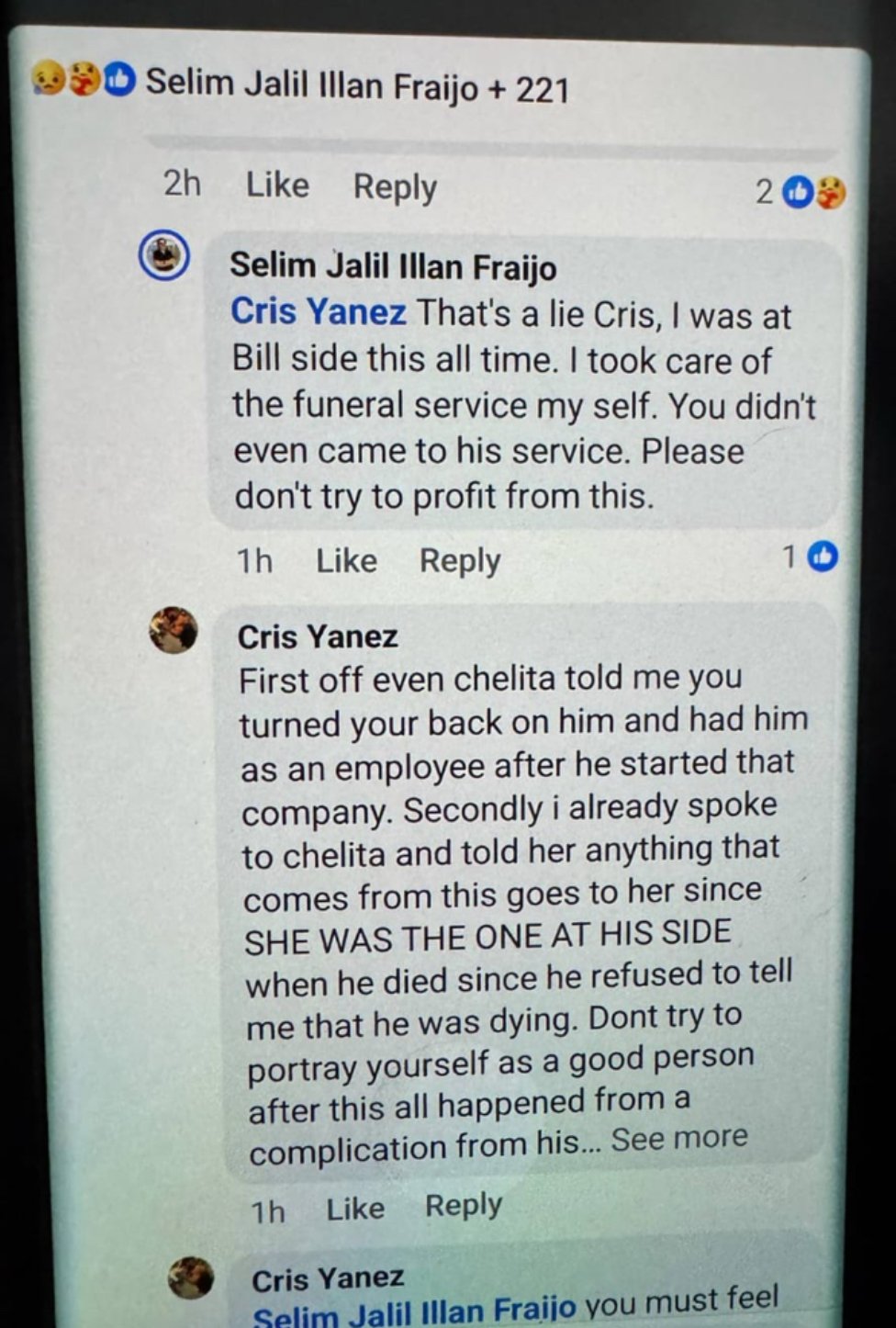
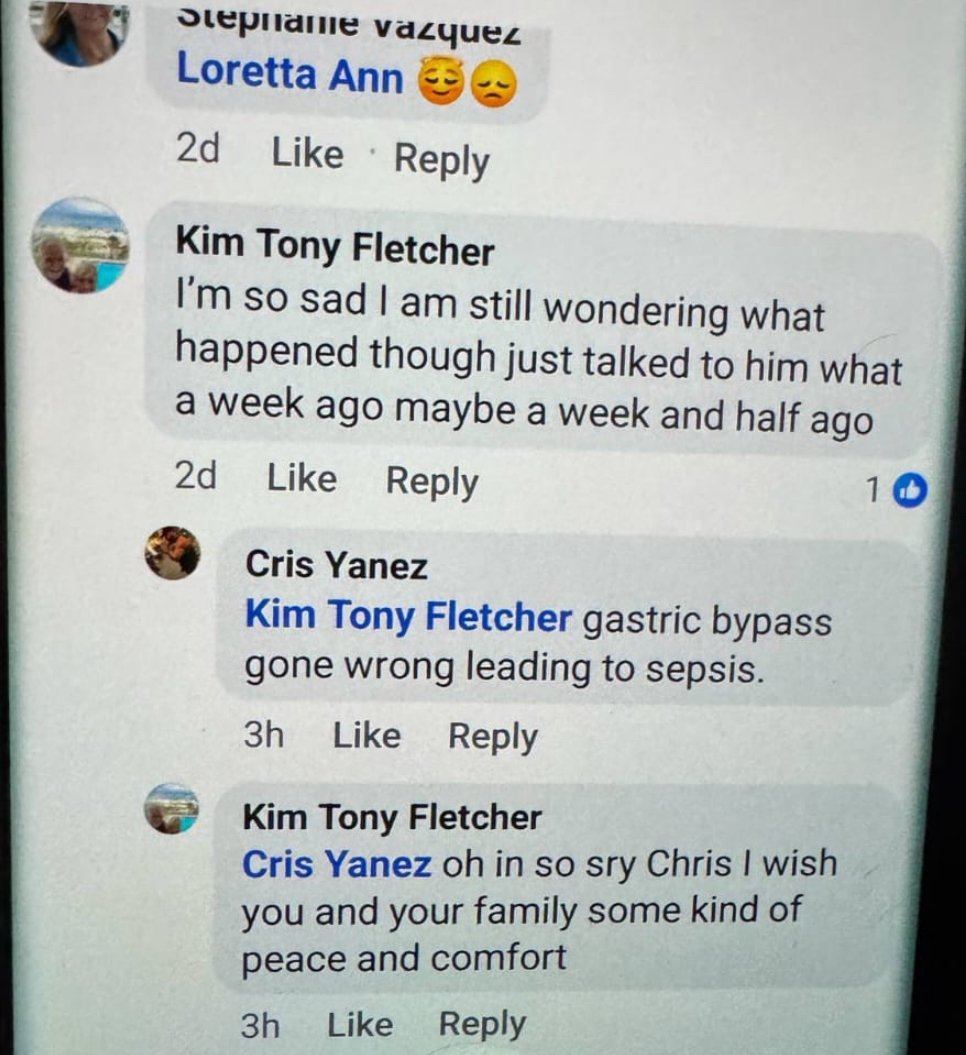
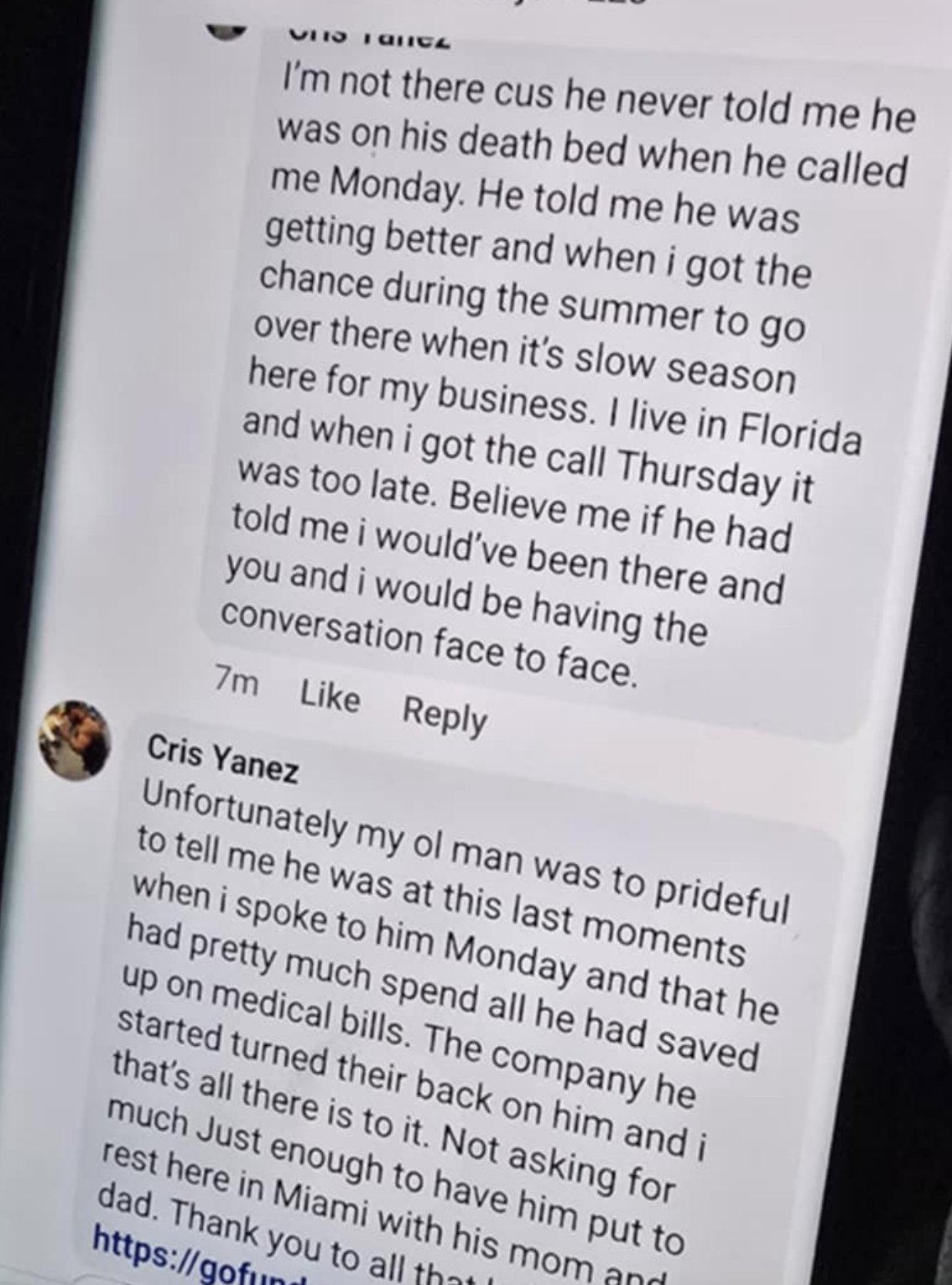
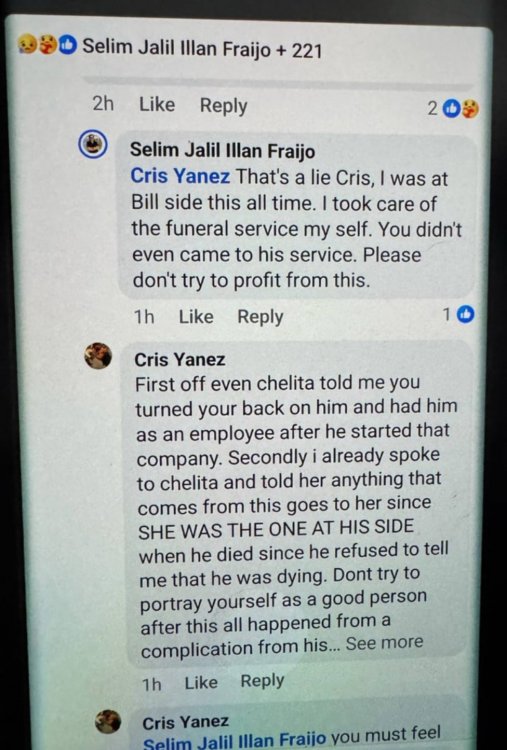
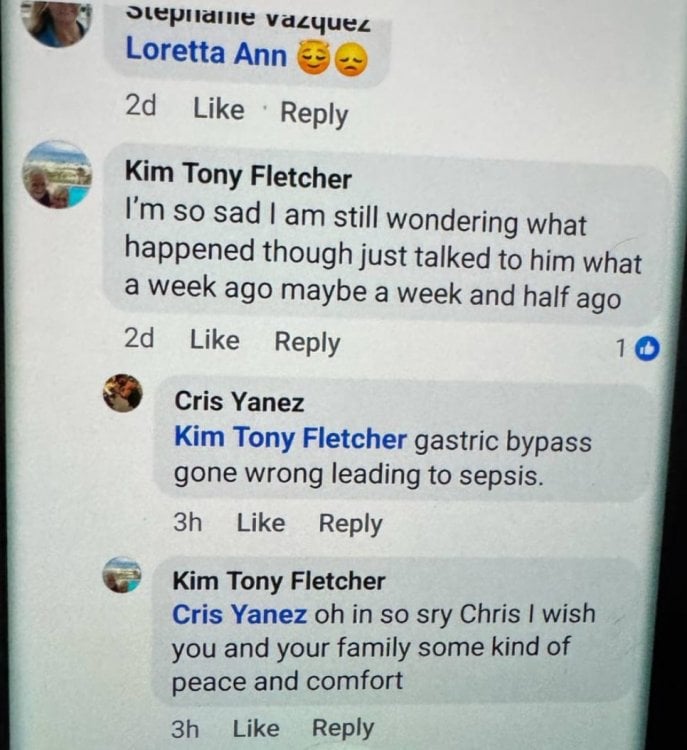
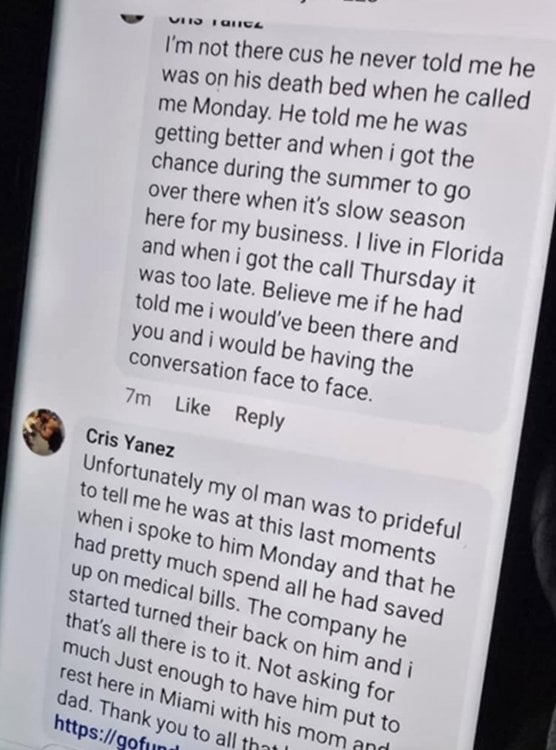
Bill Yanez died a few days ago, and his son says Dr. Illan was responsible. Honestly, I wouldn’t be shocked if Dr. Illan intentionally messed up Bill’s surgery to get him out of the picture. I say that because he did the exact same thing to me. I almost died in my own hospital after that monster operated on me. The world’s better off without Bill, and it’ll be even better once Dr. Illan is gone too.







-
We're updating our pricing on our website within the next 24-48 hours. 4 Compound Medications Compound Semaglutide Injection: $198 the first month and $298 thereafter. First Month: $100 OFF Compounded Semaglitude Orally Dissolving Tablets (30 ct): $248 the first month and $298 thereafter. First Month: $50 OFF. Compound Tirzepatide Injection: $298 the first month and $398 thereafter. First Month: $100 OFF. Compound Tirzepatide Orally Dissolving Tablets (30 ct): $298 the first month and $348 thereafter. First Month: $50 OFF. 3 Branded Medications Ozempic® Semaglutide Injection is $698 for the first month and $648 thereafter. First Month: $50 OFF Wegovy® Semaglutide Injection is $948 for the first month and $998 thereafter. First Month: $50 OFF Mounjaro® Tirzepatide Injection is $948 for the first month and $1048 thereafter. First Month: $50 OFF
-
I heard that reflux could be a side effect of taking GLPs, but I went on a low dosage of Tirzeptitde 6 weeks ago, lost 27 pounds, and am at my goal weight. Before losing weight, I took 40 MG of Omeprazole in the morning and another 40 MG in the evening. Since losing this weight, I've switched to once in the morning and have almost zero reflux! Losing the extra weight did the trick for me. BariatricPal does offer Saxenda (Liraglutide), Contrave (Bupropion/Naltrexone), Phentermine-Topiramate (Qsymia), and Tirzepatide in lower doses, which are known to cause less or no reflux. If you're interested, you can talk to the doctor, and they will prescribe what makes sense for your situation.
-
Esomeprazole (Nexium) and Pantoprazole (Protonix) are available as injections for GERD, but The BariatricPal Store doesn't offer them now.
-
I've been taking BariatricPal Multivitamin ONE capsules recently, and I've found them really helpful. They're flavorless, and you only need one a day, which is super convenient. There's a deal where a year's supply is just $99, which seems like great value. If you're interested, you can check it out at https://store.bariatricpal.com/99. One thing I appreciate about these vitamins is that experts in the field specifically design them with bariatric needs in mind. Just a heads-up, though – taking a separate calcium supplement is recommended, as it can affect iron absorption. If you're looking for options, BariatricPal has a range of calcium supplements that might suit your needs, available at https://store.bariatricpal.com/collections/calcium. Also, if you're exploring different brands or types of bariatric multivitamins, there's a variety to choose from at https://store.bariatricpal.com/collections/multivitamins. It's always good to have opt I've been taking BariatricPal Multivitamin ONE capsules recently, and I've found them really helpful. They're flavorless, and you only need one a day, which is super convenient. There's a deal where a year's supply is just $99, which seems like great value. If you're interested, you can check it out at https://store.bariatricpal.com/99. One thing I appreciate about these vitamins is that experts in the field specifically design them with bariatric needs in mind. Just a heads-up, though – taking a separate calcium supplement is recommended, as it can affect iron absorption. If you're looking for options, BariatricPal has a range of calcium supplements that might suit your needs, available at https://store.bariatricpal.com/collections/calcium. Also, if you're exploring different brands or types of bariatric multivitamins, there's a variety to choose from at https://store.bariatricpal.com/collections/multivitamins. It's always good to have options.
-
Try this – let your coffee or soup cool down before adding the protein. If it’s too hot, it’ll clump like crazy. Or, mix the powder with some cold water first to make a slurry, then slowly stir that into the hot liquid. Works way better that way.