Start here
Where are you in your journey?
Choose the path that fits today. We’ll take you to the most useful discussions.
- GLP-1 medication Zepbound, Wegovy, access, side effects, progress, and support.
- Before surgery Compare procedures, plan ahead, and get honest pre-op answers.
- Post-op Recovery, food stages, symptoms, and support.
- Long-term Regain, labs, habits, and life after the honeymoon.
- Revision Explore revision options, complications, and next steps.

Arabesque
Gastric Sleeve Patients
-
Joined
-
Last visited
Everything posted by Arabesque
-
Welcome & congrats on your surgery. It used to take me three days to eat 2 scrambled eggs so don’t worry about your portion sizes at this stage. By six months I was almost able to eat a small egg. Still can’t do 2 eggs at 20 months. My plan was strictly no bread, rice or pasta cause it swells in your tummy & fills you before you can eat all your protein. Plus they have very little nutritional value. My advice would be avoid the bread & pasta. Eat your protein first then any vegetables you can manage. It’s very important to eat slowly. I still eat very slowly. I can take 30 to 60 minutes to eat a meal though my portion sizes are bigger now than they were when I was at your stage. If I eat more quickly my restriction kicks in & there’s no way I can eat any more of my meal. My fluid intake is still not great either (strange because I used to drink a lot of water before surgery). I added water rich fruit as a snack which helped. Watermelon, orange slices, etc. I found it easier to drink tea than water some days. Also I found a good high protein drinking yoghurt which I’d drink over a couple of hours. Room temperature water is easier for me to drink too than cold water. Good luck.
-
Congrats on your surgery. The taste thing is very common. It can continue for a while too - a good four months for me if I remember correctly. But it does pass & it comes back slowly on the way. It does help keep your food intake low though - lol cause so much tastes revolting. Plus you may notice your sense of smell becomes very sensitive, nausea inducing sensitive for some. Are you sipping your fluids with a break in between. I was a water gulper before surgery so the sipping was tough for me. A mouth full was too much & would cause tightness. I started using a straw which restricted my gulping. Sometimes drinking warmer fluids helps. Try drinking room temperature water or hot tea (if it’s allowed on your plan).
-
What I’ve noticed from reading posts on this board is that nutritionalists offer a lot of conflicting advice. It can be confusing. I would tell my dietician if I disagreed with her advice or if it wasn’t something I could follow in my life & I’d ask for alternatives. What is your goal weight? Does your nutritionalist know what it is? What do they say to explain your lack of loss on the higher calorie diet? Sure, as you get closer to your goal your weight loss does slow but not losing any weight over 2.5 months at your weight sounds like maintenance to me. How active are you? Keto was my recommended 2.5 week pre surgery diet. My personal view is Keto is good for kickstarting your weight loss but not as a long term diet. There’s research about the risks from the high fat component of the diet & also that it can cause issues for diabetics with erratic insulin levels because of the low carb aspect. Just something to consider. I’m all for a balanced diet. I eat about 2 serves of carbs a day (rolled oats & multi grain crackers only not including naturally occurring carbs in other foods), 4 serves of fruit/vegetables, 2-3 serves of dairy, 60g protein & am low fat. I avoid added sugar & artificial sweeteners wherever I can & have a glass of alcohol about once a month. I will have a protein bar if my protein is a little low. My portion sizes are about 3/4 of the recommended serving size or I have fewer serves in a day (like 4 serves fruit/vegetables not the recommended 5). I was told my maintenance protein level was 1.2g per kg of body weight because of being a women in her 50s. I don’t take multi vitamins. This is working for me. It took me a while to discover out how much I could eat in maintenance & I kept slowly losing for 12 months. You will need to work out what works for you in relation to the point at which you can lose & the point at which you can maintain. It will be different to other people’s diets. You may be able to eat more carbs or may choose to go down the plant based protein route. You may need more or fewer calories. You also need to work out what food choices allow you to live your life - dining out, having a glass of wine, travelling (whatever that will be like), work, etc. It may be time for some straight talking with your nutritionalist about your goals & what is achievable for you & your lifestyle. Good luck.
-
I’m with @Recidivist. My diet was pretty repetitive, still is to be honest. Some of that was because I would freeze a lot of single serves of what I cooked. Still do - have multi serves of soup, bolognese, slices of corned beef, roast lamb, chicken tenders, steak, all cooked, in my freezer at the moment. (I love zip lock bags.) I found it meant I wasn’t focussed as much on food if all I had to do was have a lucky dip out of my freezer for a meal, pop it in the microwave & prep vegetables. I also don’t exercise. I know shocking! I walked on my treadmill for the first few months but gave up because of very low energy. Then I was using resistance bands. I agree exercise has its benefits but it contributes very little to actual weight loss - only about 20% of your actual weight loss apparently. I lost plenty without it but that’s been my experience. I have stairs in my house & I literally run up & down them a few times a day doing chores so I’m not totally sedentary - lol. And I do a few minutes of stretching each day. Honestly I find exercising tedious. I’ve never felt that high people say you get from exercising which motivates them. Good luck with your surgery.
-
Watch Keto during weight loss because of its high fat requirement. My cholesterol levels went up a lot & my liver function went hay wire while I was losing weight even though I was eating low fat. All the bad cholesterol I had stored in my fat was being released into my blood stream as I was losing. Once I stopped losing my cholesterol levels dropped back to normal. My recommended pre surgery diet was keto (2 1/2 weeks only) but there’s no way I’d use it again because of the high fat - I don’t enjoy fatty foods at all.
-
Protein is very important post surgery & for your weight loss. Too little protein can actually hinder your weight loss. Check with your support team as to how much protein you should be including in your diet. I was told 60-70g per day during weight loss (60g in maintenance) but people are given different goals. Also ask your team what your calorie goal should be.
-
It could be just the effects of surgery cause surgery & weight loss can cause a lot of our hormones, nutrient levels, etc. to go haywire. But if it is very high & persists yes it can be a problem. Though one that can be simply managed via regularly donating blood. Hemochromatosis can be an inherited condition or a side effect of other issues. It’s in our family & my brother has it. Don’t mean to scare you but it is something you should ensure your doctor monitors.
-
Congrats on your weight loss so far. Whoo hoo! Maybe measure & weigh your food again for a while & check calorie content. I’m an eye baller too but I know it can be easy to let the serving sizes slowly increase. Check to make sure the food you are eating is on your recommended diet. Are you still meeting your daily protein goals too? You sound pretty active and may need more. Good luck.
-
Honestly hardly anyone asked how much I lost. I had a couple of what size are you now questions but still very few. I also had some (usually much older family friends & family) ask if I was going to lose more usually followed by you’ve lost too much now. Those who asked how much I’d just thank them for noticing & or sometimes say ‘oh yeah, I’ve lost a bit’. Then change the subject. I have told a couple of really close friends how much I’ve lost but they know about the surgery & have been very supportive. Personally, I think it’s pretty rude for people to ask these questions. I mean you don’t ask them what they weigh & you wouldn’t have told them what you weighed before surgery. Why can’t they just congratulate you on what you’ve achieved.
-
Low magnesium can also cause leg pain too - but more cramping type pain. Certainly losing weight causes puts stress on your muscles, joints & bones. (I gained my last weight very quickly & omg did my feet, ankles & knees ache when I’d first get up.) I was suffering back pain (I have oozing discs) when I was losing which was caused by my changing posture & also bras that were too big. Got fitted for new ones & the pain reduced a lot. I wonder if it’s your back problems that are causing the pain or some nerve damage from your weight loss. I hope you find an answer & some relief soon.
-
I gave up soft drinks /sodas years ago. So no real change for me on that front. I gave them up because of the sugar (real & artificial) & because of the carbonation that gave me the most terrible, painful hiccups. I can’t burp so couldn’t release the gas. The only carbonated drinks I have are soda or tonic water (for my rare gin) or carbonated water. I let them sit for a while & let a lot of the bubbles dissipate. Plus I take a long time to drink them. If I drink them & they’re still too gassy, my restriction & the tightness kicks in.
-
How terrible @Pandemonium. I hope you recover from your injuries quickly. Orthostatic hypertension is awful. Thankfully mine isn’t as bad as yours. I haven’t blacked out completely but my vision goes & it can take anywhere from 2 x 10 seconds for my vision to return & I get a little queasy for a short time. It used to happen all day long but thankfully it’s not occurring quite as frequently (mind you it’s happen three times in the last 4 hours!). A tendency towards low blood pressure is common in my family & when I was slim years ago I used to have a couple of attacks every month so I knew what they were when they started. My doctor put me on fludrocortisone but it didn’t help me at all. Has your doctor put you on any meds? I read somewhere that compression stockings/tubes can help.
-
I eat fruit a lot. Usually twice a day in maintenance. Blueberries every morning with my rolled oats & then grapes, melons, lychees, cherries, mandarin, apple, etc. after dinner. When losing I ate fruit once a day as a snack but that was after about 3 months. I chose water rich fruits like berries, melon, etc. to boost my fluid intake. Only small serves of soft fruit to begin like 2 or 3 mandarin slices, 6 grapes, etc. The little hit of natural sweetness helped with my energy levels too.
-
So wonderful that you’re doing so well ChubRub. Aren’t showers amazing for making you feel way better - even if they’re exhausting. Hope you continue to recover well. ?
-
The amount of food people can eat post surgery does vary a little as do their post surgery plans. Does yours specify a recommended portion size? Does it allow bread? Does it recommend a caloric goal as well as protein & water goals? If it doesn’t speak with your support team. It may be helpful. I didn’t have a caloric goal just recommended portion sizes. At 3 months I was eating about a third of a cup of food for a meal & most was protein. I was eating three times a day & 2 snacks (yoghurt & a small piece of fruit). My plan was no bread. The only carb I was allowed was rolled oats (a serve took 4 days to eat at 3 months) & the carbs in fruit & vegetables. The plan was no bread because of how it fills your tummy & offers little nutritional value. I still don’t eat bread at 20 months out. My question would be are you really feeling hungry? If you had a sleeve, most of the area that produces your hunger hormone has been removed. Are you ‘hungry’ out of habit? Is a craving driving the ‘hunger’? Working out the difference between head hunger & real hunger isn’t easy. It’s working out if you need to eat or just want to eat. Are you eating slowly? It takes time for the message you are full to get from your tummy to your head. By the time it does you are likely more than full. There’s a lot of learning on this journey & working out what’s right for us. You’ll work out what’s best for you. Good luck.
-
I always thought the rare pxts of me at my highest weight were just unflattering photos. I knew what I weighed & what size clothes I wore but the understanding of my actually physical size was way off. I certainly didn’t see it in the mirror. It took a while post surgery to realise what size I am now but even then I don’t truly believe it. I still am surprised by the size of the clothes I wear now & when randomly catching my reflection in mirrors or windows. Some days I think my thighs are still fat. I know I still don’t think I see my true self in the mirror or in photos so I often check the height & weight of actresses so I get a better understanding of my size in comparison. Sshh don’t tell anyone I do that. It’s my little secret - lol! Good luck with your surgery. I hope all goes well.
-
First congrats on your weight loss. Whoo hoo! Body dysmorphia is the worst. It is hard to come to terms with how you look now & how your body feels & works. Even, as I discovered recently, the size of your body in relation to things around you - sort of like spatial awareness. Have you been taking photos of yourself as you’ve been losing or recording body measurements? It can help you come to terms with how you look now. As does comparing your old clothes to what you’re wearing now. Honestly, it wasn’t until I was at goal that I started to see my real new size. Little things like seeing a reflection in a shop window & thinking how good the woman looked & then realising it was me helped. Once I was trying on shoes & glanced up & thought gee that lady has good legs. They were my legs in a mirror. It’s weird when it happens. I used to think I was pretty flexible but the reality was it was just my fat giving me a false sense of achievement. Like I always thought I could bend over & practically touch my head to my knees. It was really just my head reaching my fat legs & tummy. I wasn’t that bent over - lol. The general feeling of weakness does get better too when you’re closer to goal & start maintenance when you’re eating a little more. I found sipping on diluted hydra lite gave me a bit more energy as did adding a small amount of whole or multi grains to my diet like rolled oats for breakfast. The loose skin is part of the weight loss process. How much you have depends on lots of factors like gender, your age, how long you were at your highest weight, etc. If it really bothers you, you can always explore plastic surgery. A lot do. I didn’t but that was my choice. I have very empty breasts now too. I sort of wish I had some lipo & transferred the fat into my upper breasts when I reached my goal cause there ain’t much fat left anywhere now - lol! As you lose weight, oestrogen that is stored in your fat is released into your blood stream hence the change to your menstrual cycle. It will get back to normal (maybe even better) as you get closer to your goal weight & aren’t losing as much. I still don’t get all my water in which is odd cause I was a big water drinking pre surgery. I compensate by eating water rich foods like lettuce, beans, melon, berries, lychees, etc., making extra milky porridge, etc. I pee a lot & it’s pretty light in colour so I must be doing ok. It’s ok to feel like you’ve lost your self on this journey. You’re not the same as you were - overweight & unhealthy. Give yourself time to come to terms & accept your changing body & to discover yourself again in a slim & healthy body. Good luck.
-
Yep, you have to kill the sugar cravings. Avoid artificial sweeteners & sugar substitutes too as they still feed the craving for sugar. It’s hard cause it seems like sugar or sweeteners are in everything. I used fruit to help sweeten foods if I had too like in plain yoghurt or to give me a little burst of sweetness. Just watch dried fruit cause the fructose is concentrated & it’s easy to eat a lot. (Remember 2 pieces of dried apricot are a whole apricot & a prune is 1 plum.) Big thing is to get it out of your house. If it’s not in the cupboard you can’t eat it. Oh, you may suffer some side effects from the withdrawals but they will pass. Good luck.
-
I haven’t eaten rice any more nor pastas or noodles until before my surgery. I used to eat it a lot but I don’t miss it at all now. @BigSue & @catwoman7 are correct. Rice, like pasta & noodles, provides very little nutrition & it swells in your tummy. Your small tummy can only hold a very small amount of food. That’s why you can only eat about 1/3 cup +/- of food. If you eat rice, it’s going to fill up that 1/3 cup pretty darn quickly before you get in your essential protein & other nutrient rich foods like vegetables, fruits, dairy. Once you reach maintenance & are eating a little more, you may be able to have small amounts of brown rice if your tummy will tolerate it. But still eat your protein first, then your vegetables, etc. & leave the rice till the end of your meal if you can fit it in. You can only try when you’re much further down your journey. In the meantime, try vegetable alternatives like cauliflower rice or zucchini noodles, etc.
-
Yep, you know what you’re doing is not helping you & the only person who can get you back on track is you. The process is not easy. It takes a lot to examine your eating habits & implement the changes you need to make to be successful. It can be quite stressful which could be why you’re turning back to your old comfort food. As @catwoman7 said you’re in the prime weight losing time. Grab this opportunity with both hands. There’s a lot of us who at some stage have been tempted & sometime we may weaken & slip. But if we want to be successful we pick ourselves up & get back on our journey. Get rid of the food that tempts you down the wrong path out of your house. Prep meals ahead & freeze so all you have to do is reheat. Quick & easy. I’m a big believer in freezing individual meal portions. It helped me stay on track & not consistently worry about what I was going to eat. Good luck.
-
I didn’t start at as high a bmi as you but I still thought I’d share my experience so far. I chose sleeve with my surgeon’s support, even though I suffered from stress related gerd. Yes, I have some issues but manage it with medication. I chose sleeve surgery because it doesn’t change the digestive tract as much as other surgeries. Yes my stomach is smaller but it is the same length as it was as are my intestines. I think this is why absorption is not as great an issue with sleeve. My nutrient absorption is good. I haven’t taken multi vitamins since I reached my goal a year ago & my blood work come back fine. Yes, bypass patients do tend to lose weight more quickly to begin but the 5 year average of weight lost & maintained across both surgeries is about the same - 60-65% of the weight initially to be lost. Dr Vuong has a great video that explains this very well. Think it’s called how to maximise your weight loss. The amount of weight you successfully lose & maintain really comes down to the individual. Even though I’ve exceeded my original goal (lost about 135%), I’ve had the view that I would find a place of balance between maintaining my weight & maintaining my lifestyle. I believe that if you restrict your food choices & intake to a point you can not enjoy your life & the things you like to do your diet will fail because you will consciously or subconsciously revolt against the restrictions you employed. Honestly, my diet is still pretty restrictive but I’m not quite 2 years out so I have a long way to go to find the balance of what works for me. Currently, I eat low sugar & artificial sweeteners, low fat, moderate carbs (whole or multi grains but no breads, rice, pasta), fruits, vegetables & of course I’m protein & portion control focussed. I have the odd glass of alcohol but I often don’t finish the glass. It’s easy to manage & doesn’t affect how I socialise so far. The keto debate is an interesting one. My 3 week pre surgery diet was keto but I know I could not maintain the high fat requirement long term but that is me - I don’t like overly fatty foods. But it certainly gave me a kick start. There is research that says the high fat content causes cholesterol problems. There’s research that shows that while it may help people with diabetes to begin, long term it can cause erratic insulin levels due to the low carb intake. And of course there’s research that it’s great. I think you have to find the diet that works for you. Good luck whichever surgery you choose.
-
Stalls happen. You just have to breathe through them. Your body is just coming to terms with all the changes - diet, weight loss, changes in activity, etc. Don’t stress your body or yourself more with worrying over a number on the scale. If the scale upsets you, put it away for a few days. When I was in a stall, I would look at the graph of my weight loss & enjoy the general trend downwards not my actual daily weight. Sometimes even if the number on the scale isn’t changing, a tape measure may reveal a smaller number. Or you may realise your general fitness level has increased. Or a pair of pants are looser.... Look for the small wins. The scales will start to move downwards again.
-
As you lose weight a lot of hormones, etc. are released into your body that were stored in your fat which can cause issues. For me, the oestrogen that was released stopped my menopause symptoms (they came back when I reached my goal weight unfortunately) & my cholesterol levels rose very quickly (back to the level it was pre surgery now). My general liver function was off too. My GP & surgeon were concerned & I was having monthly blood tests & scans. It was my dietician who explained what was happening & that things would settle when I reached my goal which they did. I was still glad I had all the tests though - better safe than sorry. This could be what’s happening to you too. It’s worth discussing with your endocrinologist. Hope they find a answer soon. PS - feeling cold is very common as you lose weight. All that insulation is disappearing. I almost need to wear thermals to go grocery shopping in the middle of summer.
-
It’s quite common for people post surgery to experience changes in their taste buds & a sensitive sense of smell. For me it was just my taste that changed. Foods I usually enjoyed suddenly tasted disgusting. It does go back to what it was in a few months. The unexpected vomiting can happen too. I was eating a meal I’d made & frozen individual serves. Had a bite fine. Had a second bite & oh no & a mad dash to the bathroom. Didn’t affect me when I ate it the first time & it didn’t do it a couple weeks later when I tried it again. I just blamed my petulant, temper tantrum throwing tummy. Good luck on your journey.
-
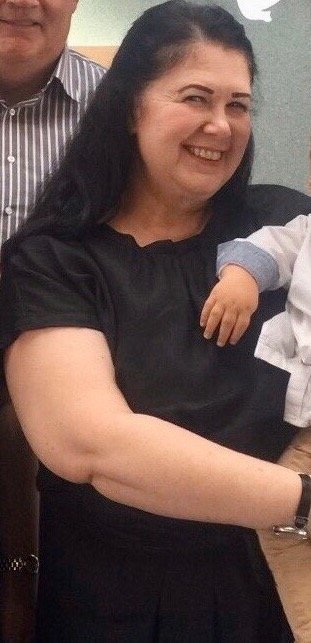
Everyone looks so great. Congrats on your success. I lost 31kg in 6 months which was my goal & a further 11kg in the last 13 months. The first pxt was about 6 months before surgery - can’t believe I was that big. The second was last week. It’s a big decision to change how your body functions so your worries are understandable. Having surgery was the best decision I ever made. My journey was pretty smooth. A couple of little hiccups (low blood pressure, a little hyperglycaemia) all manageable & all things I’d experienced in the past when I had been slim. Certainly nothing that makes me regret my decision. Good luck on your journey.