




Start here
Where are you in your journey?
Choose the path that fits today. We’ll take you to the most useful discussions.
- GLP-1 medication Zepbound, Wegovy, access, side effects, progress, and support.
- Before surgery Compare procedures, plan ahead, and get honest pre-op answers.
- Post-op Recovery, food stages, symptoms, and support.
- Long-term Regain, labs, habits, and life after the honeymoon.
- Revision Explore revision options, complications, and next steps.

catwoman7
Gastric Bypass Patients
-
Joined
-
Last visited
Everything posted by catwoman7
-
most often, it's revised to bypass due to GERD. Most sleevers don't get GERD, but there's a significant minority who do. Often it can be controlled by meds, but sometimes a revision is the only option for dealing with it. I chose bypass from the start because I had GERD even before I had surgery - didn't want to risk it getting any worse.
-
no. I've never had any issues with mine.
-
there are more potential complications with bypass than with sleeve, but then, major complications with either surgery are pretty uncommon. I do hear about ulcers occasionally here on BP, but not that often. Not sure what other complications he was referring to...I know there's a risk of bowel obstruction, but that's pretty rare. Dumping? That's a minor one that happens to about 30% of us, but it can be controlled by avoiding or limiting sugar (and for some, fat). Did he bring up anything else?
-
I personally can't eat a ton of fat at one sitting, but I do know RNY "vets" who eat Keto, so evidently it's do-able! There's no general requirement to keep fats low with either surgery, that I'm aware of. Programs vary a lot, but they all seem to be fairly high protein. Some programs are also low carb, but not all (mine was pretty balanced - and I eat a pretty well-balanced diet now, at almost six years out). I don't think most programs have much to say about fats. It seems like everyone talks about protein - and many (but not all) about carbs.
-
also, yes - you may have to change a few of your meds....but it depends. Most meds are fine. Extended release versions usually have to be replaced with something non-extended-release, though. They should be able to find a substitute for you if the one(s) you take aren't going to "work" after RNY.
-
P.S. if you are talking stomach volume, I can definitely eat a lot more than I could the first few months post-surgery, but not nearly as much as I could pre-surgery. For example, pre-surgery I used to be able to eat half a large pizza at one sitting. No way could I do that not - it'd be physically impossible. I can manage 1-2 pieces, though. also, AZHiker mentioned GERD/heartburn - yes, if you have that, you should seriously consider getting RNY as VSG could make that worse (not guaranteed, but it happens to enough people that they'll usually warn you against that). Otherwise, it pretty much comes down to personal preference. You'll find success stories with both - and unfortunately, failures with both (as long as you're committed to the rules, though, you'll do fine with either surgery)
-
vitamin deficiencies are actually pretty rare as long as you keep on top of your supplements. The one exception seems to be iron - some people don't absorb iron from oral supplements well, so they have to go in for occasional infusions. The vast majority of us absorb iron from oral supplements just fine, though. by "restricted" - do you mean what kinds of foods are restricted, or how small our pouches still are? If you're asking about food, there are no restrictions once you get a few months out. I can eat anything, just not huge portions.
-
I remember having really bad headaches the first few days. It's the carb withdrawal. It often gets a lot better about four days in.
-
depends on what kind of pre-op diet your surgeon requires - they're not all the same. I was allowed to have unlimited ultra-low-cal or no-cal uncaffeinated beverages (like Crystal Light, for example), unlimited sugar free popsicles and sugar free Jello, 4-5 protein shakes a day, and a limited amount of broth and tomato juice/V8 ( I think it was a cup of each per day) I wouldn't take much to the hospital as you're not likely to need or use it. Your phone and phone charger for sure. And wear baggy clothes that are easy to put on to wear home (in fact, I wore the same thing to the hospital that I wore home). Otherwise, I ended up sleeping most of the time. They gave me things like soap, shampoo, a disposal toothbrush and paste (although I'd brought my own). I really didn't need much... They'll have you in one of those hospital gowns and non-skid socks, too - so you really don't even need anything to sleep in or slippers - unless you really want to bring them..
-
I had several stalls along the way. They became more frequent and lasted longer after around the year mark. I kept thinking "well, this is it...", but then my weight loss would start up again.
-
that's long for a stall - you may have thrown yourself into maintenance instead. So it's good you tweaked - that's what you need to do if you're not done losing yet!
-
mine lasted a little over an hour, but I had no issues, like scarring, that they had to deal with. It was pretty straightforward.
-
are you pre-op or post-op? If post-op, how far out are you?
-
surgeons are literally all over the board with this one. Some don't want you to drink it ever again in your life, some are OK with you drinking it before you even leave the hospital. Some allow it after a certain amount of time (e.g., at three months out - or six months out), some are OK with it right away but want you to limit it to something like 1-2 cups a day. There doesn't seem to be consistency AT ALL with this. You'd probably be better off asking your surgeon his/her preference, since you're bound to get a bunch of very different answers here.
-
never heard of a requirement like that. I agree with Alley Gator - if that's a requirement, I'd just break it up - so maybe 20 minutes 3x a day if he/she allows that (not sure why they wouldn't since I've read exercise guidelines that activity can be broken up into chunks)
-
I'm not sure if it's the same Dr. Almanza, but there was a class action lawsuit against a Dr. Almanza in Tijuana three or four years ago. I don't know anything right off hand about Dr. Ortiz (haven't heard anything one way or the other that I can remember) - but I'd do a lot of research before picking someone. There ARE a lot of good surgeons in Mexico, so you should be able to find someone.. just found this. Again, not sure if it's the same Dr. Almanza, but just do some research before you pick someone. This may or may not be the same doctor, so check...
-
you're having the infamous stall early. Most people have it at three weeks, but some have it early and some late. I mentioned in your other post that mine was weeks 2 & 3.
-
I had my surgery a few years ago, but I had follow-ups at 2 weeks, 3 months, 6 months, 1 year - and then annually after that. I don't think I had blood drawn at all of them. In fact, I think it might have just been at 6 months and 1 year. The other stuff can be done virtually. I had my five-year follow up last summer virtually - with the surgeon and then the dietitian. In fact, I requested it be done virtually again next summer because I really don't physically need to be there (I always have my labs done a couple of weeks early at another clinic that's closer to my house - that way if there's anything unusual I can talk to my surgeon about it when I'm meeting with him). Plus it saves me the travel time.
-
could be. Mine was weeks 2 & 3.
-
we were required to have 4-5 protein shakes a day (not meal replacement shakes). Also, any ultra-low or no calorie beverage was allowed (but no caffeine). Sugar free Jello was fine, but not pudding. We were also allowed sugar free popsicles and a limited amount of broth and tomato juice/V8 (I think it was a cup a day) these diets vary a lot, though. Some people can have one "sensible" meal a day (like a Lean Cuisine - or meat and vegetables). Some aren't required to do a pre-op diet at all.
-
I like seeing them, too - I had this picture in my head of what Arabesque probably looked like - and it's great to see what she looks like for real!
-
Ferritin is stored iron - your "reserves" that your body grabs if your blood iron levels get too low. Usually when it drops below 30 or so they recommend infusions (although I know some people get them when it drops below 50, but not all doctors will authorize it at that level). iron is one of the only levels that can be tough to bring up via supplements, but it does work for some people (did for me - my ferritin level once got fairly low - but it's fine now after I increased my iron supplement dosage a bit). some people don't absorb iron well from capsules or tablets *at all*, even from the start, and they need to get occasional infusions to keep their levels up. A majority of us do fine on oral supplements, though.
-
actually, you look great right now! I'm guessing at 5'8", you're pretty much at a normal BMI, too...
-
maybe not - other than a bout of nausea a few hours after my surgery (and the nurses put Zofran in my IV bag, which helped with that), I had a ridiculously easy recovery. I even wondered if they'd even done the whole surgery!
-
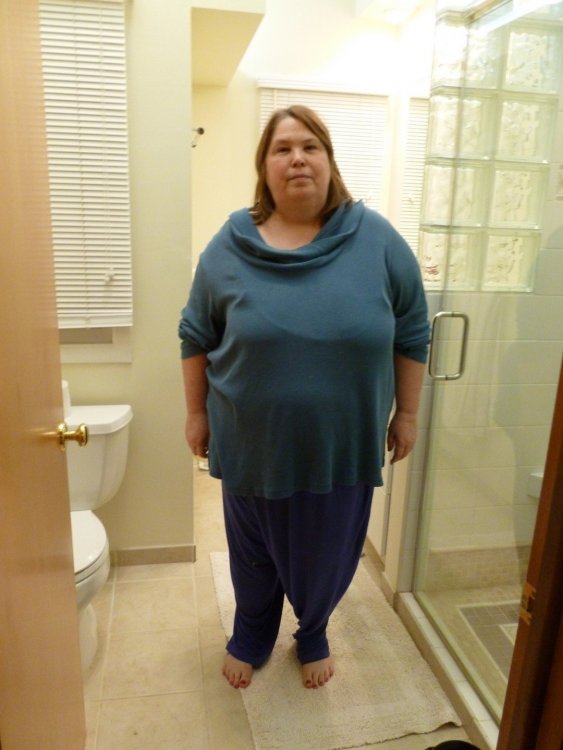
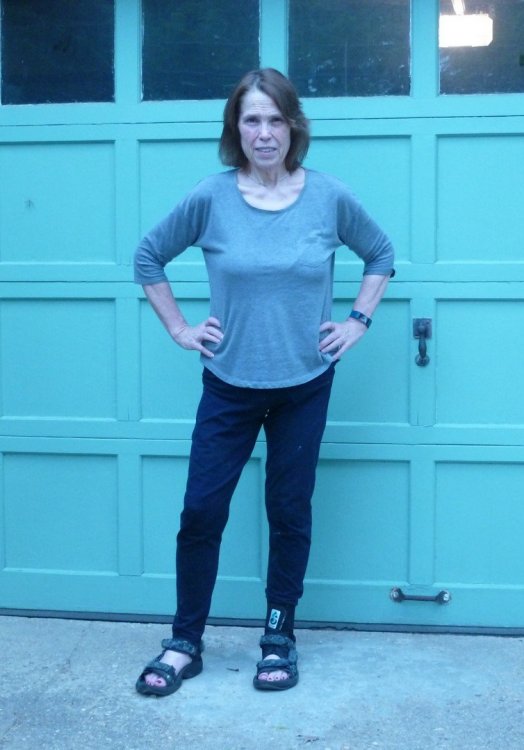
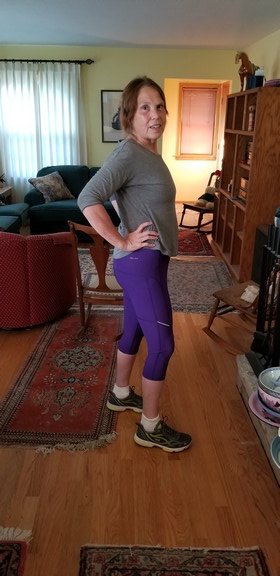
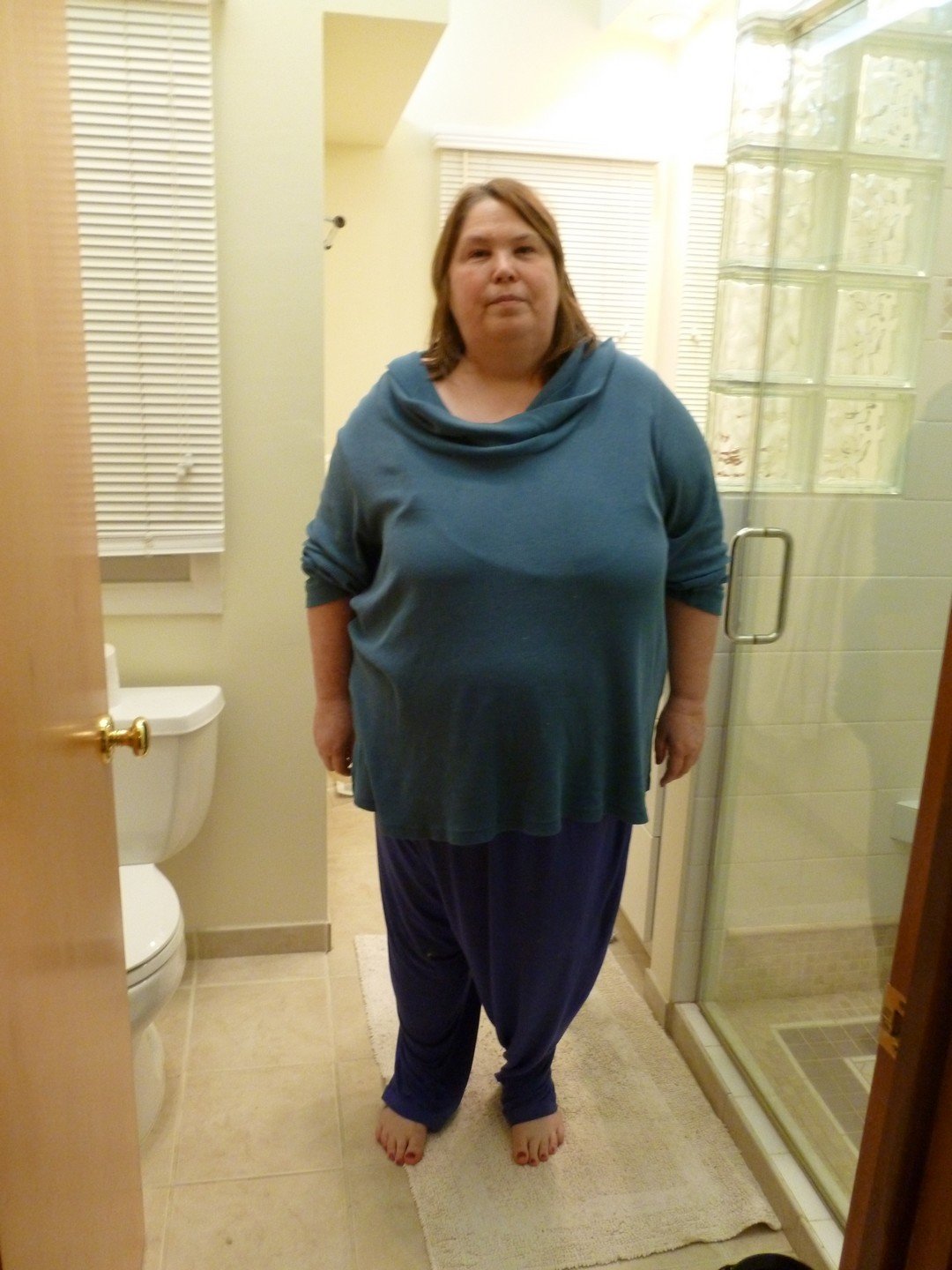
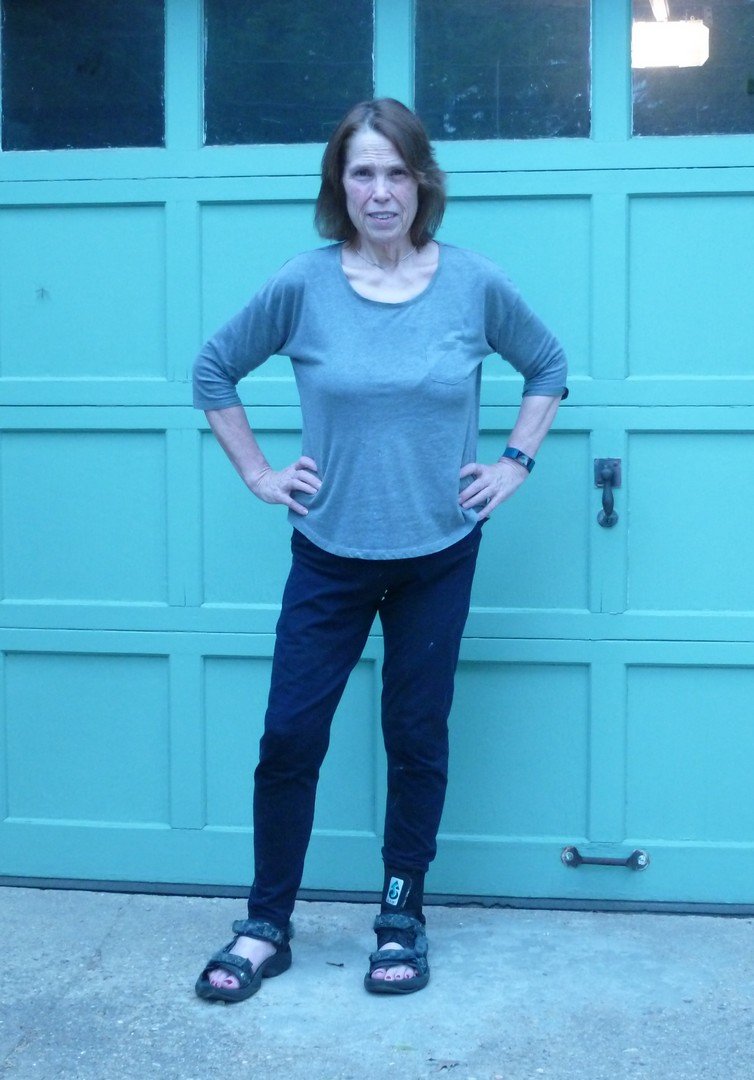
first picture was me before I started my six-month supervised diet (2014). I think I was at my highest weight ever. Second picture (from 2017) is of me when I was two years out of surgery (this was before I had my skin removal surgery, though...I had that in Aug 2018 and March 2019). Last one was of me on my 60th birthday (last year). I've put on some weight since the 2017 picture - but excess skin is gone!



.png)