




Start here
Where are you in your journey?
Choose the path that fits today. We’ll take you to the most useful discussions.
- GLP-1 medication Zepbound, Wegovy, access, side effects, progress, and support.
- Before surgery Compare procedures, plan ahead, and get honest pre-op answers.
- Post-op Recovery, food stages, symptoms, and support.
- Long-term Regain, labs, habits, and life after the honeymoon.
- Revision Explore revision options, complications, and next steps.

GodsTyro
LAP-BAND Patients
-
Joined
-
Last visited
-
November 1st - Present
-
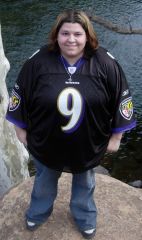
GodsTyro, a weight loss surgery photo album by GodsTyro on BariatricPal. 2 photos in Before and After Lap Band Photos.
-
I'll be banded in October due to insurance making me go thru 5 months of weight loss appointments first. It just feels so far away and though I wish I could just start my journey now I know the hoops and whistles of it all will be worth the payment. Anyone else have a long period they had to wait for their insurance? Everyone I knew it was only 2-3 months which I thought was reasonable to make sure the person is committed, but 5 months seems a bit lengthy to me...
-
From what my doc has said I don't have to give up wine but I could only have one glass at night
-
Something I've noticed thru the years my weight went down prior to gaining it back is I was an emotional eater. But working out or finding something (crafts) to do to take my mind off of it helped tremendouslyIt sounds to me like you are still contemplating getting the lapband. There is a book that I got from TrueResults that I suggest everyone who is either wanting to know more information, going thru with the lap band and needing to know what to expect as well as just contemplating it should read. It's called The Lap Band Solution (not sure if you can get it in stores or not though) It was extremely helpful for me to make the decision to have it done and will be banded in October due to insurance hoops and whistles I have to jump thru. Some of the things I do want to say though concerning the lap band is it's not a "miracle pill" - the amount you put in is the amount of results you will get. Almost all of my friends that have had this procedure and including my doctor have stated there are 3 commitments that are made for the doctor and their staff (basically making sure you are safe & healthy) as well as 3 commitments you have to make which come down to being willing to follow the rules when it comes to eating (as there will be a lot of food you cannot eat afterwards) but also exercising 30 minutes a day (or breaking it up to 200 minutes per week) Being scared of surgery is something that I think everyone goes thru, and like others have said surgery doesn't come without risk, it is impossible to eliminate 100% of the risk when it comes to a major surgery and though the lap band is the least extensive out of all gastric surgeries, it is still surgery of the stomach. However, the statistics of death rates are no where close to what the statistics are in the other procedures. I know that many of our worries is "death" and because of this I want to post what I posted in another persons post (excerpt from the book concerning death) From Lapband Solution - Excerpt on death: "Any stomach operation for obestity is major surgery and carries with it the risks that would go with any complex operation. People have died form having operations for morbid obesity-it happens rarely with LAP-BAND placement, but we can never take away the risk completely. If you are older and if you already have certain diseases due to your obesity, or if you are otherwise unwell, you will be at greater risk. Death associates with obestity surgery occur mostly because of heart attacks after the operaion, cloths passing to the lungs or infection due to the breakdown of some part of the stomach wall. The LAP-BAND has been shown to be very much safer than the stapling operations, but still death is possible. If we look at the figures for LAP BAND placement across the world there has been about one death for every 2000 to 3000 people who have the procedure. This is less than 1/10 of the risk of death associated with gastric bypass or biliopancreatic diversion. For a death to occur, multiple things have to have gone wrong and to have gone wrong in a particular sequence. Firstly, it is extremely unlikely that anyone would die while under anesthesia. Our patients probably worry about this possibility the most and yet it almost never happens. Today, the knowledge base of anesthesia, the training and quality of our anesthestists and the prescence of sophisticated monitoring systems make having an anesthetic very much safer than 50 or even 10 years ago. If someone did die after a LAP BAND procedure, a series of technical errors usually would have taken place. The surgeron would have to have made a mistake, not recognized what error occurred, not recognized that you were becoming unwell, not thought of the possible causes nor the investigations needed in response, and not treated the problem correctly. That is not just one error but a WHOLE SERIES OF ERRORS that all have to line up into one path. Nevertheless, you must minimize this risk by ensuring that your surgeon is well trained, has extensive experience, publishes or can make available to you his or her outcome data and can show you a track record of being safe. The placement of the LAP BAND is very safe when done properly but its potential risks are higher when the surgeon is not well trained or proficient." As you can see in the above there are MANY things that have to occur in a specific order for death to even take place if something were to go wrong - and though folks might think 1 out of every 2-3,000 is a lot, please remember the other statistics of the other surgeries which is 1 out of every 250 patients had died. In the end, it is just important to realize getting the lap band is not an excuse to be lazy, and in all actuality if you are completely honest with your doctor they would probably reject you from getting the lap band if you were unwilling to do what they say (which includes working out 30 minutes a day) Lastly extra skin isn't something to worry about because of your age if you have any at all it would probably be minimal. In addition to that, in case you did its important to know most insurances cover surgery after because it's considered reconstructive surgeryIs this for the doctor or for insurance purposes?Thanks everyone for the feedback :-)I Know everyone is different, I will be banded in October and going back home for Christmas. I was just wondering what kind of weight loss people saw by 2-3 months? I'm certainly not expecting the exact same weightloss but also curious in case I have the same resultsI like your point I think it's also fair to say the jihad doesn't actually follow the Muslim religion that many do, just like how other religions/cults have twisted the Christian bible into their own view/belief the jihad did the same with the muslim religious textI say no because te same owners tat created this site have similar ones for surgeries you are talking about ( gastric sleeve etc)






Account
Navigation
Search
Configure browser push notifications
Chrome (Android)
- Tap the lock icon next to the address bar.
- Tap Permissions → Notifications.
- Adjust your preference.
Chrome (Desktop)
- Click the padlock icon in the address bar.
- Select Site settings.
- Find Notifications and adjust your preference.
Safari (iOS 16.4+)
- Ensure the site is installed via Add to Home Screen.
- Open Settings App → Notifications.
- Find your app name and adjust your preference.
Safari (macOS)
- Go to Safari → Preferences.
- Click the Websites tab.
- Select Notifications in the sidebar.
- Find this website and adjust your preference.
Edge (Android)
- Tap the lock icon next to the address bar.
- Tap Permissions.
- Find Notifications and adjust your preference.
Edge (Desktop)
- Click the padlock icon in the address bar.
- Click Permissions for this site.
- Find Notifications and adjust your preference.
Firefox (Android)
- Go to Settings → Site permissions.
- Tap Notifications.
- Find this site in the list and adjust your preference.
Firefox (Desktop)
- Open Firefox Settings.
- Search for Notifications.
- Find this site in the list and adjust your preference.