




Start here
Where are you in your journey?
Choose the path that fits today. We’ll take you to the most useful discussions.
- GLP-1 medication Zepbound, Wegovy, access, side effects, progress, and support.
- Before surgery Compare procedures, plan ahead, and get honest pre-op answers.
- Post-op Recovery, food stages, symptoms, and support.
- Long-term Regain, labs, habits, and life after the honeymoon.
- Revision Explore revision options, complications, and next steps.


Alex Brecher
Founder
-
Joined
-
Last visited
Everything posted by Alex Brecher
-
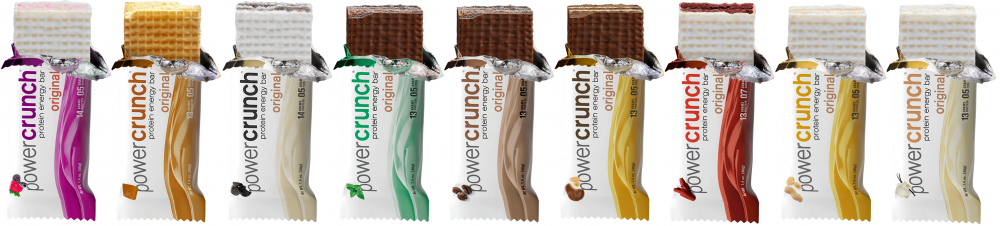
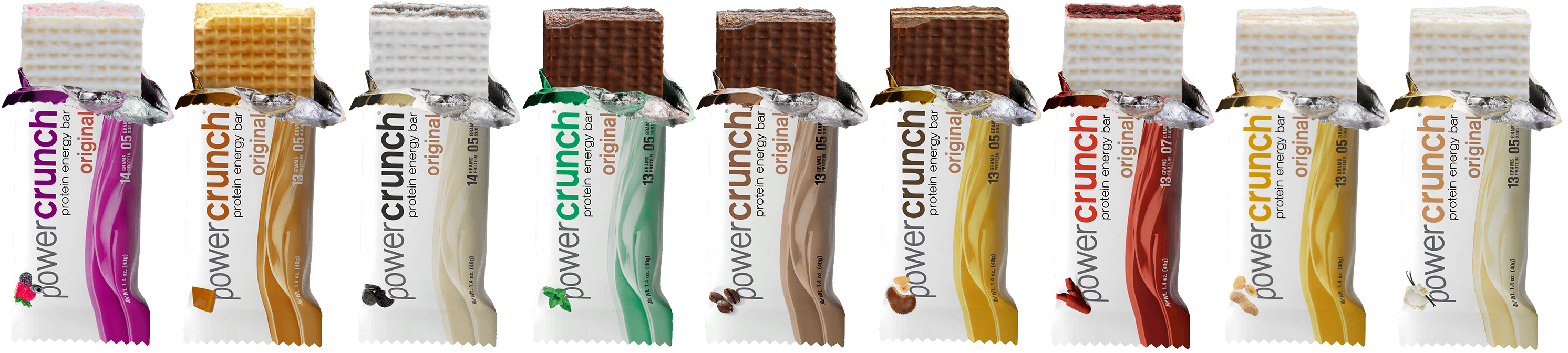
"Protein is essential to every single body’s health – but, did you know that gram for gram, not all protein delivers the same nutritional value? All delicious Power Crunch products are packed with their signature and superior high-dh hydrolyzed whey protein, which is super easy to digest so your body can efficiently absorb every single gram. This is why you’ll never feel weighed down or bloated when you consume any our delicious protein bars, powders or drinks – you’ll just feel energized to win the day! Power Crunch simply tastes good, does good and feels good." Check them out at https://store.bariatricpal.com/collections/power-crunch
-
Please use the "report" feature for any duplicate topics, thanks.
-
Everyone poops. That doesn’t diminish the embarrassment many of us feel about the odor that our No. 2s leave behind, especially after undergoing weight loss surgery. The good news is it’s totally normal for your poop to smell. We have the many sulfurous compounds that end up in stool to thank for the stinky scent. There’s even scientific evidence to suggest that evolution has primed us to be disgusted by the smell of fecal matter as a way to avoid infectious diseases. There are a dizzying number of products on store shelves that claim to cover up these smells, usually marked “odor eliminating” or “odor neutralizing. In my quest to find the best one, I tested the following brands: Poo-Pourri Just A Drop V.I.Poo Febreeze I personally found Just’a Drop to be the most effective bathroom odor eliminator, out of the 4 brands I tested. I like it so much that we decided to carry the entire line of Just’a Drop bathroom odor eliminator products in the BariatricPal Store! "Just’a Drop bathroom odor eliminator effectively traps and eliminates 98% of odors BEFORE they escape into the air. Made from highly concentrated plant extract, Just’a Drop is biodegradable and safe to use in any toilet."
-
Sodium is a bit of a tricky nutrient when it comes to weight loss. It has no calories, but it gets a bad rap. With all that you already need to worry about after WLS, does sodium need to be one of your priorities? Here is what you should know about sodium, health, and weight loss. What is sodium? Sodium is a mineral and an essential nutrient. To stay healthy, you need to get at least some sodium from your diet, although that is not a challenge for most people. Sodium is an electrolyte, and it helps your body maintain water balance. It is also necessary for nerve impulses and muscle contraction. What effect does sodium have on health? Some sodium is necessary, but too much is unhealthy. A high-sodium diet raises your risk for high blood pressure, stroke, and heart disease. Too much salt may increase your risk of osteoporosis – already a concern for bariatric surgery patients – and possibly of stomach cancer. What effect does sodium have on weight? Sodium has no calories, so it cannot directly cause you to gain body fat. Still, you may have found out personally that a high-sodium meal or day can lead to water retention and a bump on the scale in the short term! Many salty foods do tend to be high in calories from other sources (many salty foods are junk foods!), and a high-salt diet can be a red flag for a high-calorie one. Which foods are high in sodium? The biggest dietary source of sodium is salt and far higher in sodium than natural sources are processed foods. Pickles, cheese, and olives. Processed meat, such as ham, turkey breast, salami, and pastrami. Many condiments, such as salad dressings, pasta sauce, salsa, and soy sauce. Canned goods, including soup, tuna, vegetables, and beans. Prepared meals, such as frozen meals, rotisserie chicken, and meatballs. Fast foods, such as burgers, tacos, sandwiches, fries, fried rice, and pizza. Bread and most breakfast cereals. Salt that you add in cooking and at the table also increases the sodium content. Which foods are low in sodium? Fresh fruit, oils and fats, grains, nuts, and beans, peas, and lentils, are naturally very low in sodium. Unprocessed meat and poultry, milk and dairy products, seafood, and vegetables naturally have a small amount of sodium. Water is sodium-free. How concerned should you be about sodium? Well…somewhat, but not overly concerned. Too much sodium is definitely not a good thing, but your sodium consumption may not be your top priority. Losing weight as a bariatric surgery patient or candidate is going to do far more for your health than cutting back on sodium. Counting calories, protein, and carbs may be as much as you can handle for now without counting milligrams of sodium. Making generally healthy choices can help you lower sodium consumption. What are some tips for lowering sodium? You can take a healthy approach to eating and reduce the amount of sodium you consume without counting each milligram. Being aware of what you are eating is a good strategy. These tips can help you cut back on sodium without making it feel like a chore. Choose lean proteins and vegetables. Hey – this fits with your WLS diet! Read labels to choose unsalted and low or reduced-sodium foods. Get dressings, sauces, and condiments on the side, and use less when you can. Choose less processed foods when you can: think tofu over veggie burgers, chicken breast over turkey slices, and fresh fish over canned tuna. Use less salt during cooking, and experiment with herbs and spices to add flavor without sodium. Only add table salt after tasting your food. Is there anything that can counterbalance sodium? Yes! Potassium is sort of an antidote to sodium because it has the opposite effect on your blood pressure. Fruit, dairy products, beans, and vegetables are all good sources of potassium, and they are healthy choices. Also, you should drink extra water if you consume extra salt. Sodium is something to be on your radar for health, even if it is not your top nutrient of concern for weight loss. It comes down to choosing an overall healthy diet and being aware of your choices – something that you are sure to be an expert at as you approach and recover from weight loss surgery.
-
You may need to eat out after WLS, because Americans eat out a lot. Some estimates put one-quarter of Americans eating fast food on a given day, before counting food from casual and upscale restaurants. A total of about 1 in 3 calories come from foods that are eaten away from home, such as prepared foods and restaurant foods. With restaurants, fast food, and other prepared foods being such a big part of our culture, you may not be able to, or even want to, stop eating out. That is okay, even after WLS. You will just need to be a savvy customer to be sure that wherever you are, you get a meal that fits into your meal plan. Take heart: it is almost always possible. The Trouble with Eating Out Research has been clear on the differences between eating out and preparing food at home. Restaurant meals tend to be bigger and higher in calories. Beyond that, they are higher in sodium and saturated fat, and lower in fiber. That does not bode well for weight loss, but you are not doomed. Most restaurants are willing and able to accommodate you. You may be pleasantly surprised at the choices. Do Your Homework (Or Procrastinate) Most restaurants have their menus posted online. Many have their nutritional facts online. Check before you go to the restaurant, and decide on your meal before you get there. When it comes time to order, you need not browse the menu for temptations. Or Procrastinate It is not always possible to check beforehand, and that is okay. Just keep your goal in mind: Some lean protein, such as eggs, chicken, or fish. A vegetable. A small amount of a healthy starch and/or healthy fat. Build that meal from the items you see on the menu. The Customer Is Always Right If you need another expression to drive home the point, what about, “He who pays the piper calls the tune?” You are perfectly entitled to ask for no sauce, dressing on the side, or no bun. A surprising number of joints allow substitutions or modifications for no extra cost, although some may charge. The cost is usually minimal, and worth it. Examples include getting grilled instead of fried chicken or fish, or swapping a side salad or steamed vegetables for a side of rice, pasta, or potatoes. Best Bets for Breakfast, Lunch, and Dinner You can go to a restaurant with some ideas of what they might have for each meal, and search for those. Breakfast Eggs: in an omelet or scrambled. Look for egg whites if you can, and choose vegetable toppings. Cheese and turkey can also be good additions. Skip bacon and other fatty meats in your eggs. Oatmeal: plain, regular or steel-cut, without add-ons such as dried fruit or brown sugar. Nuts are okay. Steer clear of granola. Breakfast sandwich: English muffin (you can eat half) with egg and/or cheese and/or ham – no bacon, sausage, croissant, or biscuit. Create a meal from sides or add-ons, such as cottage cheese, an egg, fresh fruit, or turkey sausage. Lunch Green salad with any of grilled chicken, cheese, nuts, vegetables such as tomatoes and cucumbers, and light dressing. Skip regular dressing (or order it on the side), croutons and chow mein noodles, and dried fruit. Chicken, fish, turkey breast, a veggie burger patty, a hamburger patty, or taco beef. Skip the bread, tortilla, bun, or taco shell, and steer away from breaded and fried. Side salad, carrot sticks, yogurt, or sliced apples. Dinner Shrimp cocktail or broth-based soup for starters. Avoid dips, chips, bread and breadsticks, and fried starters. Grilled, baked, or roasted plain chicken or fish. Avoid fried choices, fatty meats, and creamy or buttery sauces. Steamed vegetables or a side salad. Avoid fries, pasta, rice, and mashed potatoes. The Final Filter: You No matter what lands on your plate or your to-go box, the ultimate decision about what goes into your mouth is made by…you. You can turn a potentially disastrous order into a not-so-bad or even good meal with some smart choices. Decide how much you will eat and pack away the rest before you take your first bite. Scoop out the filling from sandwiches and burritos, while leaving the bread and tortillas. Eat the proteins and vegetables from your plate, while leaving the fries and fatty sauces. Scrape off any breading and eat only the chicken or fish inside. Weight loss surgery is to help you lose weight, but it is also to help you live a better life. If the good life for you includes eating out, you can do it. Just be careful. Keep your weight loss surgery diet plan in mind as you order and eat, and you can lose weight as you live your normal life.
-
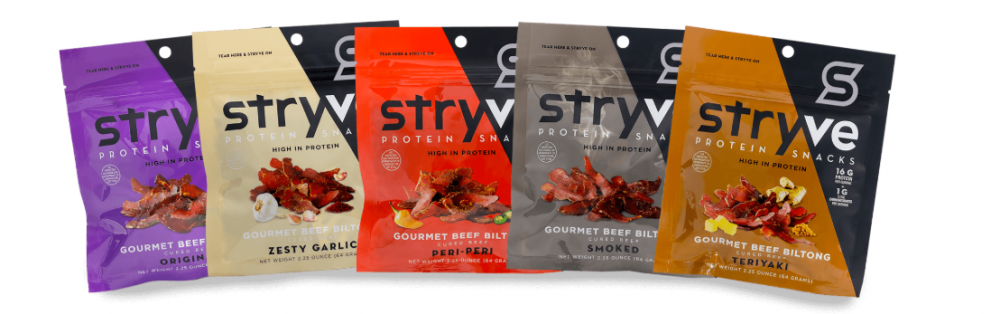
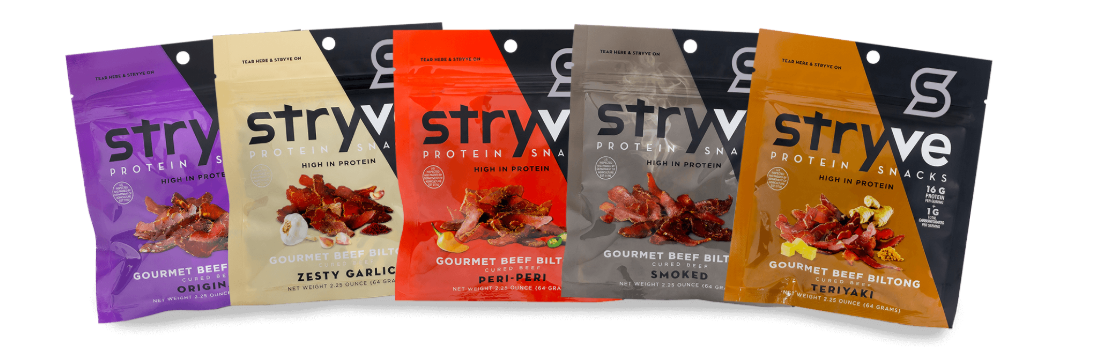
Stryve Biltong meat snacks have landed @ the BariatricPal Store! Unlike traditional jerky, biltong is never injected with or soaked in sugar-laden marinades. That means you can enjoy a protein-packed snack without all the heavy carbs. Check them out at https://store.bariatricpal.com/collections/stryve-biltong-snacks .
-
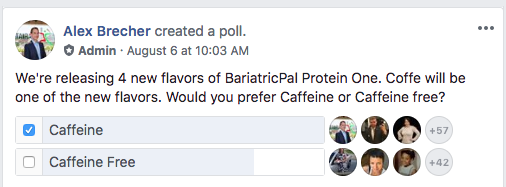
Here are the voting results from the Bariatricpal FaceBook Group: We have 57 members for caffeinated and 42 for caffeine free. It's a real shame that FaceBook is taking over this earth!!
-
The official ASMBS guidelines on Caffeine are: The American Society for Metabolic and Bariatric Surgery (ASMBS) is a leading organization for weight loss surgery. It suggests avoiding caffeine for the first 30 days after weight loss surgery because your stomach or surgery area is still sensitive. After that, be mindful of getting enough fluids and be sure to avoid high-calorie, sugary sources of caffeine. I wrote an article on Caffeine and WLS. You can read it here. IMO the only issues with caffeine are if it causes you acid reflux. I think we are going to release a caffeine free and caffeinated version to make everyone happy. We offer single serving size samples so you don't need to commit to an entire tub.
-
We're releasing 4 new flavors of BariatricPal Protein One. Coffe will be one of the new flavors. Would you prefer Caffeinated or Caffeine free?
-
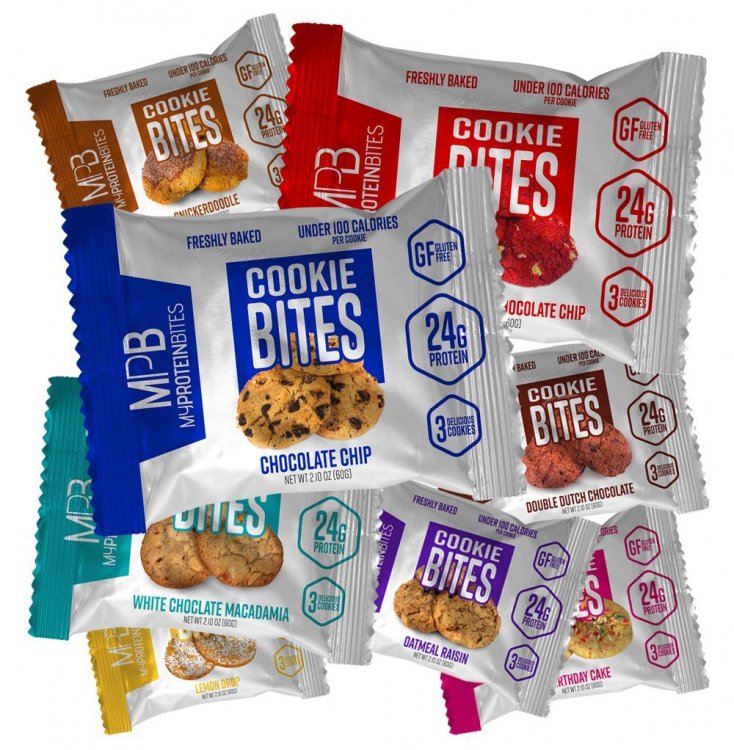
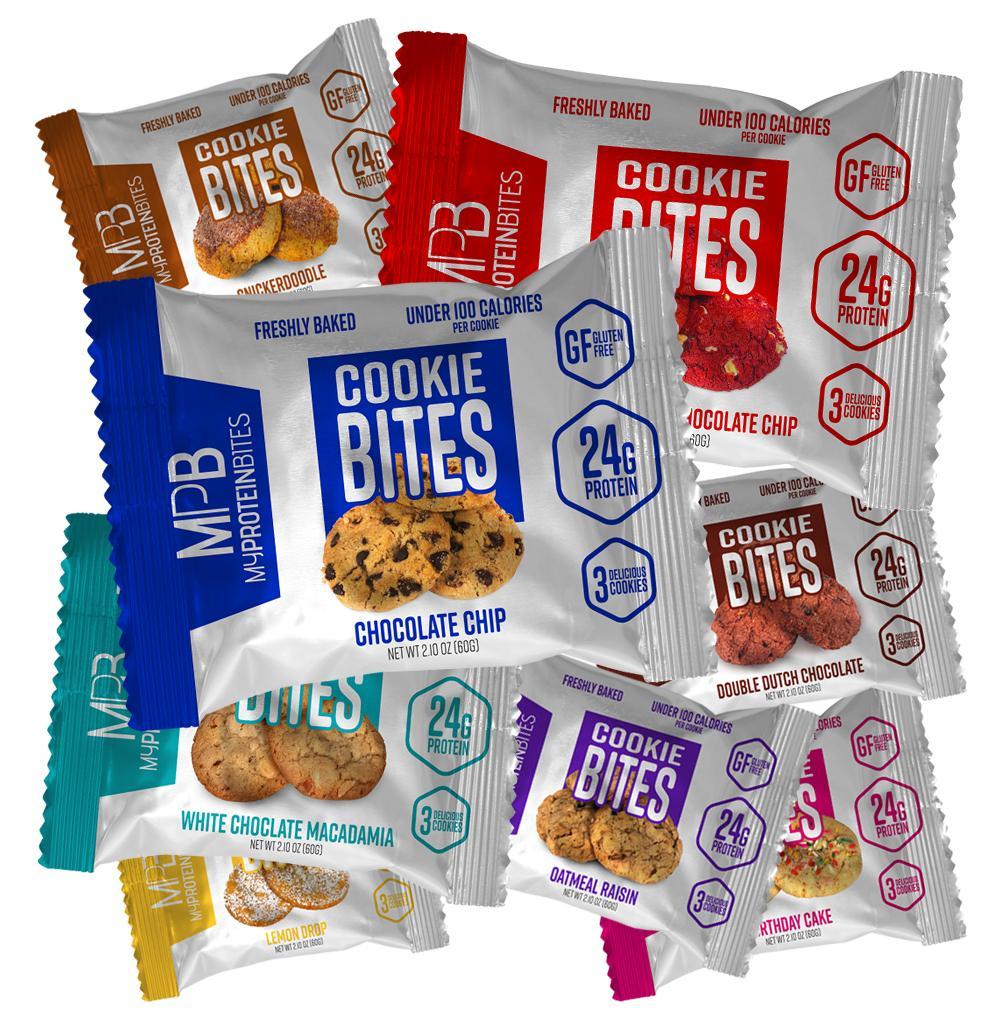
There’s nothing more satisfying than eating a fresh-baked protein cookie (or three). At Protein Bites , they want you to enjoy the unforgettable taste of protein cookies while staying healthy too. That’s why the Protein Bites Protein Cookies have been made. Each pack of fresh-baked cookies packs a whopping 24g of energizing protein and is sweetened with diabetic-friendly Stevia. The Protein Bites cookies are also trans-fat free and gluten-free—just a few more reasons to feel good about satisfying your protein needs. Buy a box of these protein cookies today! Highlights: 24 Grams Of Protein Low Carbs Low Sugar Gluten-Free Transfat-Free Amazing Taste! No Sugar Alcohols No High Fructose Corn Syrup No Artificial Sweeteners Low Sugar You can view more information and purchase My Protein Bites Cookies @ The BariatricPal Store.
-
If there were one straightforward aspect of weight loss surgery, it would be weighing yourself. Get on the scale, read the number, get off the scale. Done, right? Not so fast! The scale can be one of your most important tools on your weight loss journey, but only if you use it right. Surprisingly enough, using the scale right can take more than a bit of planning, just like many other aspects of your weight loss surgery journey. The number you see can jump around and start to drive you crazy if you do not know the reasons behind the blips. These are some reasons for some ups and downs on the scale, and how to prevent or at least accept them. Hint: It is probably not yet panic time! Up: Salt (Sodium) Did you have a salty meal last night? Did you snack on pickles, top your chicken with salsa, season your turkey burger with soy sauce or another salty condiment, or help yourself to a big salad with fat-free dressing? Those are all great choices for weight loss, but not for today’s weight. Are you confused? Here is the explanation. Sodium, which we mainly get from salt in foods, has no calories and is one way to add flavor without fat or sugar to food so you can keep calories down for weight loss, But, sodium attracts water. Eat a high-sodium meal or snack, and your body can retain water. You may feel bloated and notice your ankles or fingers swelling. That water inside of you is heavy, and the scale will tell you so. Tip: Do not eat a high-sodium or salty meal or snack the day before your weigh-in, or keep in mind that you did. Up: Stress Long-term, stress eating can add fat to your hips and pounds to the scale. Short-term stress can bump up your weight, too, without overeating. Stress hormones lead to water retention and (see above) water is heavy. Tip: Don’t stress out! Easier said than done, but being aware of stress can help. So can exercising, laughing with friends, and meditating. Up: Big Meal, Day, or Weekend Remember the part about how sodium attracts water? So do extra sugar and carbohydrates. It takes an extra 3,500 calories to gain a pound of body fat, but y you are likely to see your weight jump if you eat a big meal, or have a cheat day, or get out of control on the weekend. That sodium and those carbs can add up more quickly than you expect. A single restaurant meal with rolls or breadsticks, a burger and fries, and a small dessert can have over 5,000 mg of sodium and 200 grams of carbohydrates. That amount may “only” include 2,000 calories (barely over ½-lb’s worth of body fat), but it is enough to bump the scale up as much as a few pounds the next day. Tip: Do not eat too much! If you do have a cheat meal or day, do not weigh in after it. Most people consider Mondays to be a bad day for a weigh-in because weekend diets are often less strict than weekday eating patterns. Up: Lack of Sleep Do you ever feel groggy and heavy when you do not get enough sleep? The scale will confirm that it is not your imagination. You can retain water due to hormonal shifts when you do not sleep enough. Over the longer term, sleep deprivation can make you gain “real” weight (body fat) because lack of sleep: Increases ghrelin, which is a hormone that makes you feel hungry. Increases cravings for sugar and carbohydrates. Reduces your ability to resist cravings. Tip: Get enough sleep. It is not a luxury that is beyond your control. It is an important part of your weight loss lifestyle, so make it a priority. Down: Dehydration Weight loss is one motivation to exercise, but losing too much weight with a single workout just means you are dehydrated, not that you burned off pounds of fat in an hour or so. The scale can show you a low number because you sweated a lot. It can be motivating, but it is not healthy. Dehydration can lead to fatigue and to later water retention – and a bump up on the scale! Tip: drink 8 oz. of water every 20 minutes while you are exercising intensely. Weigh yourself before and after your workout, and drink 16 ounces of water for each pound that you lost during your workout. Down: Sudden weight loss Have you ever started a diet and seen the pounds come off quickly at first before the weight loss tapered off? It may have even happened after WLS if you were one of those patients who lost 10 or 20 lb. within the first weeks. A good portion of that weight was water weight. It happens when your body shifts from gaining weight (or being stable) to losing weight. What happens is that your body loses carbohydrates that were stored in the form of glycogen. Glycogen holds water. When you lose the glycogen suddenly by going low-carb or low-calorie, you lose water, too. So, your scale weight drops fast. Tip: Celebrate those first pounds lost, but keep working hard. Stick to your diet and stay hydrated so the pounds keep coming off for weeks and months to come. Now that you know that the scale can be fickle, you can concentrate on finding the balance between trusting the scale and trusting your diet. If you stay on track with your eating and workout program, and take care of the “little things” such as getting enough sleep and managing stress, you can outlast any bumps on the scale and come out stronger and lighter than ever.
-
Weighing yourself after weight loss surgery is a given, but your surgeon may not always tell you what you need to know about it. Do you know why you should weigh in, how often, and how to do it? What ups and downs should you expect to see, and how seriously should you take them? Whether you are prepping for surgery or are well into your weight loss journey, becoming an expert on weighing in can help you lose more weight. Why Weigh Yourself? Yes, you weigh yourself to know how much you weigh. But what is the point if you are on your weight program and your doctor will weigh you at your next appointment? Weighing yourself can have some benefits. It can help you lose more weight by keeping you accountable. Just like logging your food can make you think twice before taking that extra bite, knowing that you will face the scale can keep you from serving yourself another portion. It can be motivating. When you see the number of the scale go down, you might be more eager to wake up early for your workout, or order a salad instead of a sandwich. It can be empowering. Knowing your weight gives you another piece of information about your body, and embracing rather than avoiding yourself can empower you to do your best for yourself. How Often? You can weigh yourself as often as you like, but it does not make sense to take too many weigh-ins too seriously. For many people, a good rule of thumb is to do a weekly weigh-in. You can take this weight as your “official current weight.” Some people like to stay off of the scale between their weekly “official” weigh-ins, while others like to weigh themselves daily, or even more than once a day, just to see what is going on. That is fine, as long as you do not take each weigh-in too seriously and do not let it bother you. How to Weigh Yourself You may be a 10, 20, or 40-year veteran of weighing yourself, but there are better and, well, worse ways to do so. It may be worth reviewing or revising your weigh-in practices to get better results. Here are some guidelines for accurate weigh-ins. Weigh yourself at the same time of the day for your weigh-in, usually first thing in the morning. Choose the same day each week to weigh yourself. Wear minimal or no clothing. Use the same scale, and a trustworthy one, each time. Mistakes to Avoid In theory, weighing yourself is as simple as stepping on the scale. Not! Your weight can be deceptively high or low if you find yourself making any of these mistakes. Weighing yourself after a heavy meal. While 1 lb. of lettuce has only 50 calories, it weighs…1 lb. If it is in your stomach, you will weigh an extra pound. Weighing yourself in the morning before you eat anything can help avoid the problem of extra weight inside your stomach. Weighing yourself wearing shoes or clothes. Heavy shoes and a full set of clothes can weigh 5 or more lb. That is a big chunk of weight that is not yours! Weighing yourself with too much salt in your system. With salty foods comes sodium, with sodium comes thirst, and with thirst comes extra water. Water is heavy. It can still be in your system the next morning, and show up on the scale. Weighing yourself right after exercising. Exercise does help you lose body fat, but it also helps you lose body water through sweat. You can lose a few lb. of water in one workout, and your body weight might be artificially low right after. Weighing in Monday morning. If your weekdays are picture-perfect in terms of eating, and your weekends progress from Friday night at the bar to Sunday afternoon in front of the TV, your Monday morning weight can be variable, and possibly high. Friday morning may be a better time for you to weigh in. Getting inaccurate numbers can be bad in many ways. You might get discouraged for no reason if your weight shows up as higher than it really is. You could become confused about how what you eat affects your weight if there seems to be no correlation. You might have trouble detecting regain, and not modify your diet until you have gained more than you wanted. Choosing a Scale On top of making sure you are ready for a good weigh-in, you need to make sure that your scale is also ready. Using a cheap scale can drive you crazy because it may not be accurate. It could be difficult to read, or it could vary within a few pounds even if you are the same weight. There are many affordable Body Scales that are highly accurate. You can find features that help you read the scale easily, track your weight, and see other information. These are some features to consider. Digital read-outs. Bluetooth connectivity to your smartphone. Memory of your recent weights. Measurements such as body fat and lean muscle mass. Use the scale to help you on your weight loss journey, and you can consider it another weapon in your weight loss arsenal. The more tools you have, the better your weight loss success can be!
-
Looks like you figured it out on your own? It’s enabled at the moment.
-
Fast food is a fact of life for so many of us, so is it really reasonable to expect it to disappear from the scene after bariatric surgery? Note: This isn’t an article on “How soon after surgery can I eat pepperoni pizza and wings?” This is an article on making the best choices you can given your situation. Consider Macros That is, “macronutrients,” or carbohydrates, fat, and protein. The news is bad on the surface since the average fast food meal has more carbs and less protein per calorie than the average home-cooked meal. You can work to turn this around, though. Carbohydrates: Cut back on carbohydrates by skipping the starchy sides: French fries, potato chips, and hash browns, steamed, fried, or Mexican rice, and breadsticks. Try to go “green” (lettuce wrap) or “naked” (no wrap) with your burger, tortilla, or sandwich; if the fast food joint cannot honor your request, just eat the filling with a knife and fork, and throw away the bread, bun, tortilla, or taco shell (if you are feeling guilty because of starving children in third-world countries, make a donation. You’ll do more good than you would by adding starch to your hips). Protein: How can you boost your protein intake at a fast food restaurant to be what you need? Skinless grilled or baked chicken, lean cold cuts, cheese, and beans can all up your totals, and yogurt is an increasingly common side option. Even a small burger patty can give you 10 to 15 grams of protein, although it comes with a few extra grams of fat. A good protein goal for a meal is about 20-30 grams. You can get that for 200-300 calories with any of the following. Burger King Double Cheeseburger, no bun; Grilled Chicken Garden Salad, no croutons; or Veggie Burger with cheese, no bun or mayo. McDonald’s Grilled Southwestern Chicken Salad, no cheese; or Grilled Chicken Sandwich, no bun or spread. Taco Bell 2 grilled or fresco steak soft tacos, no tortillas; chicken or steak Power Menu Bowl, no rice or cheese. KFC Grilled Chicken Drumstick plus green beans or side salad. Panda Express Grilled Teriyaki or Asian Chicken. Fats: Your first order of business is to avoid anything fried. You will be avoiding excess grease while also avoiding sneaky carbs in breading – did you know that the amounts of carbs in onion rings and fried chicken are comparable to the amounts in bread? Also, watch the fatty spreads – think mayonnaise – salad dressings, and dips. Find the Vegetables Protein and vegetables…does this sound familiar? It should, since your goals when eating at a fast food restaurant should be the same as when you eat at home. Vegetables help fill you up without filling you out, and it is best to eat as many of them as you can handle with your pouch or sleeve. It may take a little more digging to find vegetables at fast food restaurants than at home, but you can usually do it. Here are a few leads. Ask for extra lettuce, tomatoes, and any other available vegetables on burgers and sandwiches. Order a side salad or baby carrots with your meal. Check for salads with grilled chicken as an entrée. Pile salsa and diced vegetables onto your naked burrito. When “Value” Isn’t Besides the convenience, the deals are among the most tempting things about fast food. For pennies more, you can often add fries and a drink, or you could get a second burger or taco for half the price. Don’t do it! “Value” depends on what you want and need; why would you pay extra, even if it is “only pennies more,” for extra fat, sugar, starch, and calories? A healthier definition of “value” might be to pay the least you can for a meal that is convenient, delicious, and healthy. Why include “oversized” in your definition? For those times when fast food simply makes sense, go for it – just keep yourself on track by reading the menu carefully and staying focused. You can do it, no matter where you end up. You might as well enjoy it!
-
Welcome back! Chat rooms were removed a long time ago.
-
Please see click here for pricing.
-
Thanks! We're really excited to get these out each month. Look out for your first box at the end of February.
-
BariatricPal Box of the Month Club Do you love getting surprises in the mail? Are you ready to get help losing weight, boosting your protein, and keeping your diet fun and exciting? Are you a fan of great flavors, easy meals, and snacks, and exclusive discounts? Join the Club! That is, the BariatricPal Box of the Month Club. Each month, members receive a unique bundle of store products and samples. No two months’ bundles are the same. Each month, the items in your bundle are carefully hand-picked by our store experts for you to enjoy. What’s in the box? It changes each month, so you will find out when you open it! You might get… Top-selling store products. Samples of our newest products so you can be first to try them! Great-tasting protein bars and shakes in both classic and daring flavors. Ready-to-eat snacks and/or instant meals – all high-protein, low-carb. Samples of vitamins, minerals, and health-boosting supplements. Other weight loss helpers, such as measuring aids. You can count on at least 8 to 10 items in each Box. You’ll get at least $50 worth of top-quality products and exclusive coupons every month. Getting the Box is the only way you could try all of these products without buying bigger quantities of them. Who is it for? YOU, if you want: Great-tasting, fun products. Exclusive discounts every month on the products you try. Variety, taste, and protein on your pre-op diet or solid foods post-op diet. Help losing weight with or without surgery. More protein, less sugar, and more flavor. Samples of new and delicious products without committing to an entire box. High-protein, nutritionist-developed menus to help you lose weight. When you fall in love with the contents of your monthly Box, you can buy them at The BariatricPal Store. We sell every product that we put in your Box, along with over 1,500 other bariatric and weight loss products. Plus, we guarantee the lowest prices anywhere and offer free shipping. Count on the joy of opening your box and discovering new products each month. Shipping is free! You do not need to worry about what the neighbors think because the Box is discreet – it has no bariatric-related words or logos. Join the Club and make weight loss fun!
-
Your weight loss surgery decision is your own. So is your Weight Loss Surgery journey. Those facts, however, do not mean that others do not count. Having your loved ones on your side can pave the way for success, while their disapproval or outright sabotage can make your journey that much more difficult, from finding a ride to surgery to keeping trigger foods away from the home. Try to see their side. You are asking them to see it from your perspective, so it is only fair that you try to see it from theirs. What are the reasons they may be against your Weight Loss Surgery, and how can you address them? In many cases, their concerns are legitimately about your well-being, and things you should consider if you have not already. They may worry that: You will not hit your goal weight this time since they’ve seen disappointment before. You will suffer complications from surgery. You will regret having a permanent Sometimes, their concerns are selfish but still worth discussing. They may worry that: You’ll stop feeling attracted to them. You will pressure them to give up their own favorite foods while you eat healthily. They will feel left out. You will not want to spend time with them. Reassure them. Address their concerns directly. Explain why you feel the surgery is safe, and how much research you have done to learn about it as well as find a surgeon. Tell them why you think Weight Loss Surgery will work for you even if previous diets have not. Let them know that you need to do this for yourself, not for them and that this will not change the way you feel about them – you will still love your SO, and respect your parents, for example. Tell them how you see yourself spending time with them after surgery, so they can be comfortable. Write it down and practice. Starting the conversation can be the scariest part of telling them. Before you bring up the subject, write down what you plan to say. This is a good exercise for you to do anyway since it encourages you to think through all of the doubts around Weight Loss Surgery. Writing it down and practicing can make it easier for the words to come when you decide to bring it up. Include them in your plans. Often, your spouse and parents, and others who care about you, just want to help. They may be afraid if they do not how to help. When you talk to them, let them know how important they are to you, both in life in general and in this important period of your life. If you tell them specifically what they can do to support you, they may feel more at ease with your decision and more confident in their roles. You might ask them to: Pick up your children from school when you are recovering from surgery. Go with you to the store to pick out protein powders and measuring cups and spoons. Ask you each night how you are doing. Cook healthy meals with you. Prepare for anything. The conversation may be as difficult and unfulfilling as you feared. Or, your SO, parents or other loved ones may be surprisingly supportive once they realize that you have done your research and are serious about making the lifestyle changes needed for success. They may even be interested in getting healthy with you and ask for your help and support in exchange for theirs. Stay strong and independent. As much as you long for your SO and other loved ones to support you wholeheartedly, it may not happen. Try not to let it get you down, though. If you are sure about what you want, go for it, with or without them. They will come around sooner or later, and if not, you may be better off without their negative influence. Letting them know that you have made up your mind regardless of their support may actually convince them to help you since there is no point in standing in your way. Stay independent in the sense that you realize that you do not need them. Your success does not depend on their approval, and you are not doomed to fail if they stand in your way. Get the support you need from others as you move forward.
-
If you’re looking for an active BariatricPal Store coupon code, or just searching for the best deals or discounts that we offer; you’ve come to the right place. Watch BariatricPal Store coupons turn your dimes into dollars right before your eyes! Gasp in awe as special BariatricPal sale prices and discounts cause already low prices to tumble to new depths! Don’t forget to come back often to find a new BariatricPal coupon code. We’re always looking for new ways to save you money. Your hard-earned dollars stretch further when you shop at BariatricPal. In addition to our Rewards Program and Free Shipping on all orders over $69, we also offer discounts on larger orders! It is easy to save. Each level of savings has a coupon code. Just enter the appropriate coupon code at checkout to collect your savings. SPEND $99+ SAVE $5 WITH COUPON CODE: SPEND99 SPEND $149+ SAVE $10 WITH COUPON CODE: SPEND149 SPEND $199+ SAVE $20 WITH COUPON CODE: SPEND199 SPEND $299+ SAVE $40 WITH COUPON CODE: SPEND299 *Limit one coupon per order. Not valid on subscription orders.
-
The BariatricPal Store carries over 7,500 products from more than 130 trusted brands, all designed for weight loss surgery patients. Our goal is to be your go-to source for everything you need before and after surgery. Shop now for: Bariatric vitamins Protein supplements Snacks Patches Top sellers New products GLP-1 medications Visit the BariatricPal Store for the full selection. Want to save even more? Get a full year supply of bariatric multivitamins for just $99 Explore GLP-1 medications starting at $199 per month
-
Every day offers a good chance to think about your relationships. You may think of your significant other first, and then consider other relationships such as those with friends and other family members. Unfortunately, that leaves out the most important relationship you can develop: the relationship you have with yourself. It takes a lot of work for you prepare for and recover from weight loss surgery, and to continue to lose weight and get healthy. With all that focus on yourself, it sounds strange that you could be neglecting yourself, but it often happens. If you do not work on strengthening your self-respect, self-confidence, and self-love, you may not be as successful in your weight loss surgery journey. Here are some easy tips for building a little rapport with the most important person in your life: you. Recognize Your Greatness You would do everything you could to recognize the good things about someone else if you were building a relationship with them, and you can do the same for yourself to build your relationship with yourself. It can take some practice to get into the habit of recognizing your good qualities and your good choices, so get started! Don’t forget to appreciate: Every milestone, whether a weight loss milestone or a non-scale victory. Each good decision you make, such as packing a lunch instead of leaving it to chance. How energized and proud you feel after eating right and exercising. Your new inner strength for recognizing what’s important – your health – and setting aside what’s not – a few moments of short-lived gratification when you visit the drive-through. Your efforts and resolution – because what you are doing is not easy! Reward yourself when you deserve it Little gifts can make your appreciation seem sincerer, and motivate you to keep up the good work. Give yourself treats regularly to reward yourself for any progress you made, or “just because.” A night curled up with a box of pizza is no longer an option, but there are plenty of far better ways to show yourself “I love me!” A massage or spa treatment. New workout clothes or other new clothes. A new app or fitness monitor to motivate you and show your progress. A morning sleeping in. Getting your house cleaned. A makeover or parts of one, such as a new haircut or different color nail polish. Be Your Biggest Supporter Consider what a supporter does, and figure out how you can be your own biggest one. It can take some effort, such as planning ahead to pave the way for healthier choices, such as packing breakfast the night before so you do not go through the drive-through, keeping a pair of walking shoes in the car so you can grab a walk anywhere whenever you have time, and putting each of your surgeon appointments and support group meetings on your calendar so you cannot forget. A supporter is also your biggest advocate. Speak up for yourself when needed, whether it is to tell the server at the restaurant that you need smaller portions and you would like the sauce on the side, or whether it is to tell your mother that you are doing this surgery for yourself because you need to. Your advocacy may include being firm with the surgeon about your preference for the surgery type you want. Don’t Deprive Yourself Telling yourself “no” constantly is no way to build a loving relationship! Grow the love by giving yourself treats. Just make sure they are on your diet. You might end the day with some Protein Cocoa or Chocolate Caramel Crispy Bites, sneak in some BBQ Zippers for an afternoon crunch, or greet the weekend with Protein Pancakes and a Protein Omelet. There are plenty of recipes online for healthy alternatives to favorite comfort foods from pizza and fried chicken to ice cream and brownies. Balance Tough Love with Forgiveness Honesty is the foundation for any strong relationship, including this one. Call yourself out when you make a decision you’re not proud of or you find yourself slipping into a slump where the scale starts creeping up or sweets start sneaking their way into your diet. At the same time, realize that you will not be perfect, and accept that fact. Develop a plan for when you catch yourself off track. Your plan will probably include recognizing your mistakes, forgiving yourself forb them, considering what led you to make them, and resolving to fix them. Build a stronger relationship with yourself, and you are setting yourself up for better success in the short and long terms. It takes some practice, but the results are well worth it.
-
Are you ready to make your New Year’s resolutions to get the year started off with purpose? Not everyone makes official New Year’s resolutions, but you can still set some goals for the New Year or for the next few weeks or months. Consider this: you can be 10 times more likely to achieve your goals if you make New Year’s resolutions than if you do not. That statistic may motivate you to take a little care in setting your goals for this year. So, here are a few tips for setting resolutions that you can keep. Make Them Realistic We all want to hit goal weight and stay there, but is that realistic for you? Probably not, if you are more than 70 to 100 lbs. overweight and have not yet had weight loss surgery. A more realistic resolution might be to schedule your surgery and then lose an average of 5 to 10 lbs. per month after surgery. These are some additional examples of unrealistic and realistic resolutions. Get to the gym every day. Work out at the gym or walk 5 days per week. Follow your diet perfectly. Get back on track within a day of losing control. Avoid all restaurants. Check the nutrition facts beforehand and make healthy choices when you order. Plan all meals and snacks ahead of time. Keep protein bars and other healthy protein snacks on hand for when you need them unexpectedly. Make Them Specific Yes, you want to lose weight for example. But how much do you want to lose? Your resolution might include the number of pounds you want to lose or the BMI you want to hit. It might be to lose back the pounds you regained after weight loss surgery a few years ago. Here are some other examples of specific resolutions to consider. Drink at least 64 ounces of water per day. Attend two support group meetings each month. Eat at least two servings of fish per week. Eat at least 65 grams of protein per day. When you make your goals specific, you know whether or not you are making progress towards them and when you hit them. That is motivating, and it keeps you honest with yourself. Consider the Process A goal is an endpoint. Your resolution might be to achieve those goals, but it should also include the process, or “how” you are planning to get there. If your resolution is to eat five servings of fruits and vegetables per day, your process might include storing canned and frozen vegetables so they are always available, keeping washed and cut fruits and vegetables in the fridge for snacks, and adding a half-cup of vegetables to your omelets. Here are some more examples of ways you can focus on the process. To hit your pre-op weight loss requirements, swap water for soda and side salads for fries. To get to the gym more often, lay out your clothes and shoes the night before, and figure out which workout you will do once you are at the gym. To move closer to your weight loss surgery, find out how to get approval for insurance reimbursement (or how you will finance your surgery) and which surgeons are your top choices. To get your blood sugar levels down, healthify your carb choices by identifying which are sugary and refined, and swapping them with high-fiber, unrefined whole grains, beans, and fruits. Stay Accountable Your resolutions are important to you, so make them a priority and hold yourself accountable. One way is to use the buddy system. You can either find a buddy with resolutions similar to yours, or just use a buddy who is willing to hold you accountable. Check in regularly with each other on your progress, encourage each other, and ask the tough questions if either of you are falling off track. Another way to hold yourself accountable is to use a log. Use an old-fashioned pencil and paper log, or opt for an online or smartphone app. Depending on your resolution, you can record thoughts, feelings, and progress, as well as food intake, weight, and exercise. Seeing your efforts in black and white can keep you honest and motivate you to keep going. Be Patient with Yourself Recognize that you won’t do it all at once, and that you will make mistakes. Set smaller incremental goals so that you can see progress in January, but keep the big picture in mind and realize that your resolutions are long-term. The big payoffs will come later in the year if you stick with your resolutions. Also, have a plan to forgive yourself, because things will go wrong. Dust yourself off and get back up, because you can achieve your goals!
-
With the holidays around the corner, gifts may be on the top of your mind. You may be thinking about making up your own gift list to pass around to others. Aside from the usual items, maybe such as something for your favorite hobby, a new piece of furniture for your home, or the latest smartphone, you might want to include a few items that help you move forward in your weight loss surgery journey. Here is the BariatricPal holiday gift list that you can give to others or that you can use as inspiration as you search for gifts to give to another weight loss surgery patient in your life. Protein Snacks and Meals What? Our first idea is to give food to a weight loss surgery patient? Yes, and with good reason. A gift of a healthy snack can keep the recipient away from the junk food without feeling deprived. Healthy, instant dinners offer a practical alternative to drive-throughs, fast food, and take-out. Protein snacks and meals help suppress hunger and maintain lean muscle mass. The snacks and meals need to be great-tasting if the recipient is going to choose them over alternatives such as chips, cookies, and fast food. The BariatricPal Store does not disappoint, with a full selection of snacks including Protein Bars, Protein Chips, Protein Cookies, and more. Protein Breakfast options include pancakes, omelets, cereal, and oatmeal, and our Protein Entrees include low-carb pasta dishes, chili, enchiladas, and more. A Smart Scale A good scale can be one of your most important tools during your weight loss surgery journey and as you maintain your weight. Knowing that you have to step on the scale tomorrow morning can motivate you eat better and exercise today, and seeing the numbers drop can inspire you to keep making those healthy weight loss decisions. Still, it’s not all about the weight. Your journey is about gaining health, too. With the Yunmai Wireless Bluetooth Smart Scale, your weight is only the beginning of the list of what you can track. Monitor your body fat and muscle mass to see how effective your workout program is, and check your bone density to see if you may need to focus more on bone nutrients such as calcium and vitamin D. Compared to some other scales, this scale is more practical because of its capacity of up to 400 lbs. You can track your numbers with a smartphone app that connects via Bluetooth. Food Journal Logging your food increases your chances of losing weight and keeping it off. There are a million smartphone apps that you can use, but not everyone is cut out to use them. You are not alone if you prefer pencil and paper to keep track of your food. The very act of writing makes you connect more to what you write, so you can think harder about the choices you make. A food journal can be the perfect gift for diligent WLS patients who are not tied to their smartphones. A Do-It-Yourself Gift Basket You can order a gift basket online, but it probably will not be very weight loss surgery-friendly. Likely items include sugary jams, crackers, fatty sausages, and chocolate-covered pretzels. Skipping a gift is better than delivering that kind of fat and sugar load! Instead, make it healthier and more personal by gathering the goods yourself. You could include all kinds of non-perishable protein foods and shakes. You can even make a themed basket. For example: A protein snack basket with bars, cookies, granola, and chips. A post-op care package with protein powdered shakes and smoothies, gelatin, and pudding for the post-op liquid diet. A wintery mix assortment with protein soup, cocoa, and chili. A chocolate lover’s basket with protein brownies, triple chocolate cookies, chocolate cereal, chocolate pudding, and hot chocolate. A Scrapbook or Album The weight loss surgery journey is exciting, and you want to remember every moment of it! There are all kinds of ways you can make a gift of a scrapbook or album. The simplest is a blank book with space to paste in photos and write notes about milestones and victories. You could go a step further and include dedicated spaces to add in specific milestones or photos, such as losing your first 50 pounds, fitting back into your high school jeans, or a pre-op photo to remind you how far you have come. A Book The internet is such a good resource that a book does not always seem necessary, but it can have its advantages. When you buy an informative weight loss surgery book, you can trust the information more than the information you may get from an anonymous online source. Plus, the information is at your fingertips so you do not have to search all over the web for answers to your questions. A Care Package This one may be especially appropriate for a pre-op or post-op patient to show love and support during and after surgery. Include items to help the patient feel better. A “cough pillow,” or hard pillow to push against your abdomen to provide support when you cough or sneeze. An adult coloring book and crayons or colored pencils to distract the patient from the pain. Herbal (caffeine-free) tea to sip and promote calmness. Water flavoring drops and electrolyte drops to encourage hydration. Protein powders in various flavors. An IOU or coupon for them to use to call for your help, such as for grocery shopping, cooking, or cleaning the house. Liquid bariatric vitamins so they can get started with their post-op nourishment. Gift Card Not sure what to get? You can never go wrong with a gift card. A gift card to The BariatricPal Store can be used to by all kinds of protein bars and shakes, protein snacks, and protein entrees. The store also has bariatric vitamins, books, and bariatric dinnerware. The gift will be a hit! A Fitness Tracker Wearable activity monitors are all the rage, and for good reason. If you love to “get credit” for every step you take, these monitors will let you know, down to the nearest calories. They can motivate you to move a little more throughout the day, and to follow through on your planned workouts. Most fitness trackers now connect to your smartphone so you can see your progress over time and, if you want, share your workouts with your network. A good gift list can take the stress out of buying gifts, and put the fun into it. This holiday season, get the gifts that will help you reach your goals by using our gift list as a starting point!
-
@Elizabeth Anderson, Thanks for these notes on this important event! Obesity Week is always a great event for bringing the industry, researchers, and healthcare professionals together to discuss latest findings in obesity research and talk about As you mentioned, the list of speakers was quite impressive! Dr. Farooqi has published research papers on a variety of obesity-related topics, including effects of obesity on the brain and brain aging (not good!), and some of the genetic factors that are linked to obesity (yes, there is a big genetic component!). Dr. Brownell from the Sanford School of Public Policy at Duke University has done all sorts of research on obesity and the environmental factors that can cause it. He has worked on health policy such as food labeling, sales taxes, and other legislation that could affect the public’s likelihood of choosing healthier or less healthy foods. What an exciting speaker! Thanks for these notes. We look forward to your next update from the meeting!





.png)