Start here
Where are you in your journey?
Choose the path that fits today. We’ll take you to the most useful discussions.
- GLP-1 medication Zepbound, Wegovy, access, side effects, progress, and support.
- Before surgery Compare procedures, plan ahead, and get honest pre-op answers.
- Post-op Recovery, food stages, symptoms, and support.
- Long-term Regain, labs, habits, and life after the honeymoon.
- Revision Explore revision options, complications, and next steps.


Alex Brecher
Founder
-
Joined
-
Last visited
Everything posted by Alex Brecher
-
Make Sure There’s Something for You to Eat The worst-case scenario is sitting down to eat, looking around the table, and not seeing one semi-healthy food that’s on your WLS diet amidst the mounds of candied sweet potatoes, mashed potatoes and gravy, dinner rolls and butter, green bean casserole, and sausage stuffing. Don’t let this happen to you! Whether you’re hosting or you’re a guest, you can always make sure there’s at least something for you to eat. Just make a big enough batch to share with the table. You can never have too many salads, sides, and desserts at Thanksgiving, so consider one or more of the following. Acorn or butternut squash roasted with garlic, rosemary, and chicken broth for seasoning. Roasted Brussels sprouts or green beans with Dijon mustard. Spinach salad with cranberries, chestnut pieces, and cubes of cooked sweet potato. Cabbage and roasted beet salad. Fresh fruit salad. Baked apples with cinnamon and sprinkled with chopped walnuts or pecans. These dishes can save your diet and dignity, and they’re pretty simple! You don’t need to aim for fancy dishes and give yourself any extra headaches in the kitchen at Thanksgiving. Protein and Veggies…You Know the Drill You know how to eat right after WLS. Thanksgiving dinner is no different. Protein comes first, then come veggies. A serving of starch can fit in, and watch out for the condiments. That sounds easy enough, and it’s what you do every other day. Ready to put it in place on Thanksgiving? Your lean protein is probably skinless turkey breast, unless you’re vegetarian or having a non-traditional Thanksgiving. Whether you have tofu, crab, chicken, ham, or venison, you can make a small serving of lean protein the center of your meal. Take mustard and only a dollop of cranberry sauce, which is high-sugar. Veggies come next. Load up on green salads, sautéed broccoli or kale, and anything roasted, such as carrots, green beans, and onions. Watch out for creamy corn and green bean casseroles and buttery vegetables. Finally, garnish your meal with a little bit of starch. Sweet potatoes are healthiest, but you can also opt for a small serving of mashed potatoes, half a dinner roll, or even a spoonful of stuffing. Pick One Special Treat You don’t need to deprive yourself completely on Thanksgiving. If you don’t let yourself have any treats, you might eventually break down and eat way too much later. Better to enjoy a few bites of pumpkin pie now and feel good about it than to cave in to the entire pie later and feel sick and guilty. Give yourself permission to choose a special treat that you love and look forward to every year. Whether it’s your mom’s sausage and apple stuffing or your brother-in-law’s homemade biscuits, let yourself have a few bites of that special treat. Savor every bite. Think about its flavors and texture, and what it means to you, and how proud you are that you can enjoy it and be satisfied with that portion. Practice Eating Slowly Eating slowly is essential on the bariatric surgery diet. Thanksgiving is actually the ideal time to practice your skills. When else do you get the pleasure of good company sitting around the table for hours? Take advantage! Engage in the conversation, and focus on the people, not the food. If you stick to the rule of not talking with your mouth full, and you put your fork down and make eye contact when you’re listening to someone else talk, Thanksgiving dinner will fly by, and you may find you enjoyed it more than ever while eating less than ever. Good deal! Don’t Let Leftovers Weigh You Down The dinner’s over, everyone’s left the table, and the house is quiet again. It’s not yet time to let your guard down, though! The leftovers can be even more dangerous than Thanksgiving dinner itself. Pack them up and get rid of the ones that are trouble – like chocolate cream pie. There are plenty of healthy ways you can use leftover turkey. One is to simply freeze it in small portions and defrost them when you need them. You can also try any of these ideas. Turkey wraps with shredded turkey, mustard, and leftover roasted veggies wrapped in lettuce leaves. Turkey soup with a base of chicken broth, onions, carrots, and celery, plus any veggies you want. Turkey curry with cauliflower, eggplant, peas, and Indian spices. Turkey salad with cooked cubed turkey, halved cherry or grape tomatoes, nonfat plain Greek yogurt, Dijon mustard, diced pickles, and black pepper. Green salad with turkey, avocado, and black beans. There are so many healthy ways to use turkey, you may not even be sick of it after you finish the entire turkey! With these hacks and a little discipline and creativity, you can get through Thanksgiving dinner and beyond feeling healthy and confident, not stuffed and weighed down. That confidence is worth a lot, and it can carry you through the holiday season as you keep working towards your goals.
-
I respond to every PM I receive on BP. Must have missed yours, sorry! Best way to reach me is via email at alex@BariatricPal.com .
-
“The Holidays.” Those two words can make any weight loss surgery patient shudder. It seems like there’s nothing but food everywhere. It’s delicious, tempting food, and it’s high-calorie, high fat, and never-ending. But it doesn’t have to get the best of you. Here are six tips for keeping Thanksgiving – and the weeks leading up to it – in check this year. They’re simple tips, but they can help you stay on track and keep the scale moving in the right direction. 1. Eat Well Yes, this can be the best Thanksgiving dinner you’ve ever had – as long as you don’t define “best” as “biggest.” Instead, why not define “best” as “healthiest,” “happiest,” and “best for your confidence?” After weight loss surgery, here are some ideas for how you can “eat well.” Eat slowly, just like you always do. Depend on salad and turkey, not on stuffing and potatoes. Bring (or serve) at least one dish of something healthy, such as roasted Brussels sprouts or a cranberry kale salad so you know there’ll be something you can eat. Take second helpings only of salad or turkey breast. Allow yourself one small serving of a carefully chosen treat, whether it’s creamy casserole or pecan pie. Savor everything: the food, of course, and also the company. 2. Be Thankful Holidays can make you feel down when you’re focused on weight loss surgery. If you’re pre-op, you might still be deciding whether to get surgery, worrying about surgery itself, or trying to lose a little extra weight on the pre-op diet. If you’re post-op, there are a lot of foods that just aren’t on your diet anymore. You may need to pass up old favorites like pumpkin pie, mashed potatoes, candied yams, and cornbread stuffing. And eating until you’re beyond stuffed? Not an option! Pre-op or post-op, it’s easy to feel sorry for yourself and focus on what you’ve given up. But don’t forget all the wonderful things you have to be thankful for. What about your family? Your job? Your home? The friends who support you on your journey to health? WLS which gives you the chance to give you the life you want? Put on a positive face, and it’ll be a lot easier to see what you’ve gained without mourning what you’ve lost. 3. Remember What’s Important Turkey, pie, holiday shopping and football are important, but if they are at the top of your list, it may be time to step back so you can remember what’s truly important at this time of year. It may be your family, your health, and your friends. Hint: if you’re having trouble remembering, you might want to try taking a walk or going to the gym…a little active time can get your mind going! 4. Give Back There’s no better way to get yourself into a Thanksgiving mood than giving back. You could try packing bags at a food pantry, serving meals at a homeless shelter, or reading books to kids. You can quickly recognize how fortunate you are when you see others in need, and you can quickly recognize how useful you can be when you help them. 5. Take Care of Yourself There’s delicious food everywhere. Even if you try to summon up the willpower to resist it, it seems like you’re sure to offend someone…maybe your aunt if you don’t want her famous green bean casserole, or your best friend who makes you a special batch of candied sweet potatoes, or your coworker who bakes pies every year to share with the entire office. But you have the right and responsibility to take care of yourself. “No, thank you” is perfectly clear. If you feel the need to explain, you can say, “My doctor doesn’t let me have that.” That gets the message across and provides an excuse to refuse that’s not personal against the kind person who offered you the food. 6. Get in the Game And we don’t mean Fantasy Football! Find an activity, and participate in it. Over Thanksgiving weekend, the exercise will burn a few extra calories. It will also help keep you focused on your weight loss goals and clear your head so you make healthy food choices, too. Yes, it’s cold…but it’s going to be cold for the next several months. Your best bet is to plan a winter-friendly workout schedule and stick to it. That could mean a few days a week at the gym, or staying indoors at home with workout DVDs and a few dumbbells. Most days, you can also get outdoors for a walk. Barring ice and severe snowstorms, you’ll be fine if you dress in layers and follow basic cautionary rules, like facing traffic and wearing reflectors. You have the chance to make this Thanksgiving and the rest of the holiday season a healthy time. Just think how good it will feel to lose weight, not gain weight, this year…and have a better time doing it, too!
-
It’s autumn now. That means longer nights and cooler weather. That means…you may be craving some comfort food. The problem is, you know most of those traditional comfort foods aren’t on your healthy weight loss surgery diet. So what can you do to satisfy the cravings while you keep losing weight? Here are some ideas for every stage of the post-op weight loss surgery diet. They’re lower in calories and healthier than some of the foods you used to dive into but aren’t an option anymore. Stage 1: Liquid Diet There’s no denying that your diet the first few days or weeks after surgery can be pretty boring, but you can still make the best of it. After surgery, you may need a little comforting as your body tries to recover. Plus, you may start to feel cold as you lose weight. So, why not try some hot tea? One option is to go for apple cinnamon tea. Stew dehydrated apple slices and cloves for about 10 minutes, then strain the liquid into your teacup and serve with a cinnamon stick. If you don’t feel like simmering dehydrated apple slices and spices, you can go the quick route with apple tea bags (make sure they’re decaf!) and a cinnamon stick instead. You can get a warming protein boost instead if you make spiced chai with soy milk or non-fat milk instead of water. For a warming protein drink, you could curl up with an instant cup of BariatricPal Hot Protein Drink – Classic Hot Chocolate or with marshmallows, or BariatricPal Hot Cappuccino Protein Drink – Vanilla. No problem if your surgeon forbids caffeine. Just opt for BariatricPal Hot Protein Drink – Creamy Cappuccino (Decaf). They’re low-sugar and each has 12 to 15 grams of protein. Stage 2: Mushies or Pureed Foods You don’t need to give in when that leftover pumpkin pie in the fridge calls your name. Listen to it, and you’ll end up with hundreds of calories, tons of sugar, and probably a stomach ache. Instead, you can mix pureed canned pumpkin with cinnamon, pumpkin pie spice or cloves, beaten egg whites, almond milk, and your choice of calorie-free sweeteners, such as stevia. Bake it until it sets. Once you’re on the semi-soft foods diet in stage 3, you can turn your pumpkin pie into pumpkin cheesecake by swirling the pumpkin mixture with low-calorie cheesecake mixture made from fat-free cream cheese, egg whites, fat-free cottage cheese, vanilla, and sweetener before baking. And if you’re craving some crust, add a bit of crunch with crushed high-fiber cereal. Need something a little more substantial? Go for the comfort without the carbs at breakfast with BariatricPal Maple Brown Sugar or Apple Cinnamon Oatmeal with 14 grams protein, or whip up instant BariatricPal Chocolate Chip Pancakes with 15 grams of protein. Stage 3: Semi-Soft Foods You may have heard about using pureed cauliflower to satisfy your cravings for mashed potatoes. What about taking it up a notch with a high-protein, low-carb shepherd’s pie? Blend cooked green peas and beans for the bottom layer, and cover it with a layer of lean ground turkey mixed with broth to season it. Spread pureed cauliflower over the turkey. If you want to go whole hog, sprinkle shredded low-fat cheddar cheese on the top so it browns while baking. As long as we’re talking about cauliflower – which, by the way, is in season in the fall – don’t forget you can also use it as a great alternative to fried rice. Pulse cauliflower in a blender until it is in small pieces. Then stir fry it with diced veggies and some protein, such as egg whites and cooked chicken breast. That sure beats Chinese take-out! For something a little meatier, you can try meatballs without the bad stuff! Take a packet of BariatricPal Light Sloppy Joe (or Vegetarian Joe, if you prefer), and mix it with an egg white and some low-fat parmesan cheese. Cover it in low-sugar tomato sauce, and you’re ready to eat. Stage 4: Full or Solid Foods Diet Roasted candied nuts are a big hit in fall, and you can make your own version once you’re several months out of surgery. To make sugar-free candied pecans, mix a cup of pecan halves into a beaten egg white until the pecans are coated. Roll them in a mixture of cinnamon, a pinch of salt, and your favorite calorie-free sugar substitute, such as stevia. Bake them at 350 degrees for 15 minutes or until golden brown. They’re high in healthy fats, protein, and antioxidants – just remember they’re high in calories, too, so watch the portions. Here are a few other comfort foods you can try without guilt. Vegetarian chili with beans or chili with ground turkey, or BariatricPal Vegetable Chili with Beans. Veggie burgers with black beans, lentils, or chickpeas, oatmeal or quinoa, mushrooms, carrots, and zucchini. Serve as sliders on lettuce leaves with avocado or low-fat cheese. Lasagna made with eggplant instead of noodles, low-fat ricotta, and fat-free mozzarella cheese. Breakfast casserole made with egg whites, turkey sausage, low-fat cheese, and onions. Crunchy salty snacks like BariatricPal Lite Bites pretzel twists and chips. One More Tip – Watch Your Portions! With comfort foods, part of the problem is the “what.” The other part is the “how much.” Portion control is key when it comes to the weight loss surgery diet. When you can, try making recipes so you know how much you’re getting and so it’s naturally easier to take a small serving. Here are some suggestions. Measure your ingredients and know how many servings you should get out of the entire recipe. Make use of a muffin tin instead of a so you can pre-portion foods like meatloaf, egg-based muffins, and pumpkin pie. Make naturally pre-portioned foods, like deviled eggs and meatballs so you know a serving size is one piece. Weight loss surgery doesn’t mean giving up comfort foods. It just means choosing your foods wisely so they make you feel comforted, not bloated. Whatever you’re in the mood for, you can find a version that’s WLS friendly and simple to make. What are your favorites?
-
Dr. Adeyeri, Thanks for your helpful tips and the shopping list for warehouse stores. Along with lowering costs, I think it’s also important to think about convenience when stocking the kitchen to avoid trips to fast food restaurants. You mentioned some ready-to-eat foods like spinach and yogurt. Those are great! I also like to get pouches of tuna, baby carrots, string cheese, and pretty much any kind of fruit for a quick snack – tangerines, grapes, and apples are all affordable. Thanks for this article. It’s always good to have new ideas for affordable, healthy, easy foods!
-
I'm honestly not sure. I think it falls out from different areas for different people. Cutting won't make it any worse or better but you might want to hold off if you feel the haircut will thin your hair out even more. This is a temporary condition and most people get their hair back in due time.
-
You're very welcome! It's a mineral and you can find it over the counter in any store that sells vitamins.
-
If you’re putting off your weight loss surgery (WLS) because you’re worried about hair loss, you’re not alone! And if you were surprised when you suddenly started to lose your hair a few months post-op, you’re not the first WLS patient to be caught off guard. Here are a few facts on hair loss after weight loss surgery. It’s actually a condition called “telogen effluvium,” which happens when more of your hair is in the resting stage than the growth stage, so you end up losing hair faster than it grows. Telogen effluvium – and hair loss - can be triggered by stressful events like WLS and the WLS diet. It’s more common after gastric bypass and gastric sleeve surgeries than after the lap-band. Hair loss is most severe around 3 to 6 months post-op. It’s hard to predict who will lose their hair and who won’t after WLS. Also, there’s no fail-proof protection against hair loss. But there are a lot of promising strategies that work for some WLS patients that may work for you. The best part about them is that they’re also good for weight loss. Protein: 65 or More Grams Daily Protein is the foundation of your post-op WLS diet. It’s a nutrient that lets your surgery wounds heal. It also helps you maintain lean muscle mass as you lose weight. And when you get enough of it, it can help reduce hair loss. Lap-band patients need at least 65 grams of protein each day. Sleeve and bypass patients need 80 to 100 or more grams per day. Go lean with sources like tofu, chicken breast, tuna, egg whites, and non-fat yogurt and cottage cheese. If you can’t hit your needs with food, go for low-sugar protein shakes, protein powders, and protein bars. Water: Not an Afterthought Fluids aren’t always top on your mind when you’re worrying about your weight loss diet, but maybe they should be. When you choose calorie-free ones, they can help reduce hunger and lose more weight. Plus, water prevents dehydration and symptoms like headaches and fatigue. It also promotes healing and lets your body function - and that’s good news for your hair. Aim for at least 64 ounces per day of calorie-free fluids, such as water, flavored waters, diet sports drinks, and broth/bouillon. Feel free to go for more, though! Biotin and Silica: Ask Your Surgeon Biotin and silica are essential nutrients. You can usually get enough of them from diet alone, but WLS changes that. Some people swear that biotin and silica supplements can reduce hair loss, but the science doesn’t yet support that. Talk to your doctor before taking these supplements. Biotin is usually safe even in high doses, but too much silica can be a problem. Essential Fatty Acids: Fats Are Good! Fats are high-calorie, and they make many foods off limits: think fried foods, creamy foods, and fatty meats. But some fats are good, and they’re the ones that you’re most likely to be deficient in after WLS. The possible results? Scaly skin and…hair loss. You don’t need huge amounts of fats to stay healthy. You could see a difference just by getting a little more omega-3 fat in your diet. Once you’re into the mushies/pureed foods stage, you can get omega-3’s from pureed boneless salmon and canned tuna. Later, you can add walnuts and flaxseeds. If you’re not eating these foods, you might want to ask your doctor about a fish oil supplement. The Extras Why does hair fall out? Stress! So let’s see…what stresses have you already put on your body? There’s the stress of surgery; the stress of starving your body at least, that’s what your body thinks when you drop down to 1,000 calories a day; the stress of changing your entire lifestyle and possibly your relationships. When you think about all the stress in life, it’s a wonder anyone has any hair left at all! So when possible, try to reduce stress however you can. Get enough sleep. Take time for yourself. Exercise daily. Laugh it off…whatever “it” is, it’s probably not worth losing your hair over! Taking good care of yourself after WLS can help prevent hair loss, but not always. Still, you can take heart in the fact that it probably won’t last for more than a few months. And at the other end of those few months, you’ll be down several pounds. Isn’t a little hair loss worth it if the payback is to be healthy?
-
Alex's Album, a weight loss surgery photo album by Alex Brecher on BariatricPal. 10 photos in Member Photo Gallery.
-
 Part of the BariatricPal MX team!
-
 Celebrating 10 years of the OAC
-
 Chilling with Dr. Oz at Walk from Obesity NYC 2015!
-
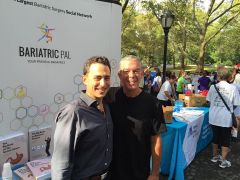 I grew up listening to Elvis Duran's morning show as a kid. He's now an advocate for WLS and a proud member of BariatricPal
-
 Representing BariatricPal at ObesityWeek in LA
-
 My Before Pic
-
 Alex and Rex Ryan
-
 Alex saying howdy!
-
 Alex Smiling
-
 My After Pic
-
-
Colleen, First, congratulations on your 37 years of marriage. That takes a ton of work and dedication, and you deserve the happiness you two have found. Thank you so much for these insights! How right you are that it would be so easy to give ourselves the little joys that we deserve. I also like your observation that we need learn to identify those little things. After a little practice, it’s easier to see what makes us happy, and to appreciate everything in life a little more. Thanks for the reminder to do something nice for ourselves today. Maybe I will start wearing my “nice” hoody that I got last year…and then stuck in the closet because I didn’t want to wear it out.
-
Louise, Thanks so much for this article! When I was reading it, I realized how true it is that we are conditioned to get rid of bad feelings – whenever we feel something negative, we learn to distract ourselves or use some sort of other method to ignore the problem. You are so right about becoming empowered by facing our feelings. Once we learn to FEEL and accept the feelings, we can go through life without fear. We also get the chance to deal with whatever it is that triggered the feelings – and hopefully in a better way than eating, drinking, self-medicating, or smoking! Thanks for the article.
-
Sounds most unpleasant to be dehydrated to the point of being completely drained on two counts. Welcome back to being fully operational. Have you had any significant unfills before this? If so, care to share the reasons? I'm beginning to do some research regarding my band and the likelihood of keeping it. "Reputation system" has a medieval sound. It's to my benefit that it's been dropped or I might be in point debt or on the rack. I had one unfill a few years back to due reflux. I changed my lifestyle and went on meds for reflux and things got back to normal after that.
-
I didn't get a fill for a few years but just recently had a complete unfill when I was sick and dehydrated. I just had it filled back to normal last week. Love the adjustability factor a lot. Hope it keeps on working for me. There are many other great options if not Those #'s are from an old reputation system we used. They don't really mean much today.
-
13+ years and still going strong.
-
The adjustable gastric band, such as the LAP-BAND or Realize Band, is a band that goes around the top portion of your stomach to create a small pouch, or stoma. The pouch fills up faster than your regular stomach, so you feel full on less food. That’s how you lose weight. A lot of lap-band rumors have been swirling around, but many of them are just that: rumors. There’s a good chance that a lot of these rumors have been started by surgeons who prefer to perform gastric sleeve or gastric bypass operations. Here are five common lap-band myths, where they came from, and what the truth really is. 1. The LAP-BAND Doesn’t Work It is true that you are unlikely to lose as much weight in the first year after getting your LAP-BAND as you are in the first year after getting gastric bypass or the gastric sleeve. It also doesn’t interfere with nutrient absorption the way the gastric bypass does. However, long-term success rates are far more important, and the data on the lap-band is positive. In one study, patients lost an average of 70% of excess weight by 2 years post-op (Michaelson et al, 2013). After 5 years, another study found an average of (Ponce et al, 2014). And, after a long 15 years post-op, a different study noted an average excess weight loss of 47.1% (O’Brien et al, 2013). The lap-band works for patients who follow the prescribed diet – just like the sleeve, bypass, and other WLS options work if you eat right. 2. All Bands Are Being Removed This simply isn’t true. The band is intended to be a permanent weight control solution, and is removed only in cases where complications occur. This can usually be prevented with proper placement and adjustment, and high patient compliance. In one study, less than one out of five bands were removed in an average follow-up of 3 years (Yildiz et al, 2012). Long-term satisfaction and weight loss are very possible with the lap-band. 3. Nobody Is Putting in Bands Anymore It’s true that the surgeon closest to you may not be offering lap-bands, and you may be seeing a lot more ads for the sleeve. Still, Apollo Health reports that 245 U.S. surgeons offered LAP-BANDS last year, and 40,000 patients opted for an adjustable gastric band. If you are considering the LAP-BAND, it’s important to make sure you know where you can get it adjusted. You’ll need the initial fill a few weeks after you get your band inserted, and you may need to get it adjusted a few times over the next several weeks or months. You should also be sure you know where you would go in an emergency situation when you needed an unfill. This is good practice whether you are at home or planning a vacation. 4. The Sleeve Is the Best Procedure The “best” procedure is the one that’s right for you. That may be a different procedure than the one that’s best for someone else. The sleeve may be best for rapid weight loss, but an overwhelming majority of potential weight loss surgery patients favor the band. In fact, a study this year found that 13 times as many patients had a favorable opinion towards the band compared to the bypass (Obesity Today). These are some of the reasons why you might prefer the gastric band over other procedures. You have a lower BMI. You may want to become pregnant in the future. You do not like the idea of having your digestive tract rearranged or your stomach permanently removed. You do not want a high risk of nutritional deficiencies and the resulting health problems, such as anemia and osteoporosis. 5. The LAP-BAND Will Not Fix My Diabetes It is true that the lap-band does not have the same reputation for resolving diabetes as the gastric bypass. It also does not work as quickly, since it does not affect hormones as much. Still, it is considered to be effective. Patients who lose weight with the gastric band are likely to see improvements in diabetes, including lower blood sugar levels. They are often able to reduce their doses or stop using their diabetes medication. One study of gastric band patients found a 73% decrease in diabetes at the 2-year post-op mark, and a significant decrease in diabetes medications after 3 years, with one-third of patients going off medications. Almost one-third of patients achieved long-term resolution by 5 years post-op (Courcolas et al, 2015). The Conclusion: Do Your Homework Weight loss surgery is a big deal. It’s not just a question of whether to get it, but of which one to get. When you’re making a decision that will affect the rest of your life, it’s best to do your homework. Don’t just depend on what you may read on the internet or hear from people who may not know all the facts. Check them out, and make the decision that’s best for you. It may be the lap-band, and it may not. -- Yildiz BD, et al. 2012. Adv Clin Ex Med. Long-term efficacy of laparoscopic adjustable gastric banding--retrospective analysis. O’Brien et al. “Long-Term Outcomes After Bariatric Surgery: Fifteen Year Follow-Up of Adjustable Gastric Banding and a Systematic Review of the Bariatric Surgical Literature.” January, 2013. Ponce, et al. “Efficacy and Safety of the Adjustable Gastric Band – Pooled Interim Analysis of the Apex and HERO studies at 48 weeks.” Current Medical Research and Opinion, 2014. Michelson et al. “LAP-BAND for Lower-BMI: 2-Year Results from the Multicenter Pivotal Study.” Obesity Journal, 2013. Data on File, Apollo Endosurgery, Inc. Austin, TX. Tan, Anna. Obesity News Today, July 7, 2015. Survey Reveals That While Weight Loss Surgery Still Not Common, Gastric Bands Are Most Favored Option. Courcoulas et al. “Three-Year Outcomes of Bariatric Surgery vs Lifestyle Interventions for Type 2 Diabetes Mellitus Treatment.” JAMA, 2015.
-
Elizabeth, Thanks for this series! You gave us a lot of interesting and useful information. I’m always so intrigued by the question of whether a calorie is always a calorie. I think there’s some evidence that says it is – didn’t some researcher somewhere lose weight by eating Twinkies, just making sure to keep his calories below a certain limit? On the other hand, in terms of health, a calorie isn’t always the same – just this week, there was that study in the news about sugar. I think when they replaced some starch in kids’ diets with sugar, their health indicators like blood sugar went wacky within weeks! In terms of practical, real-life messages…you are absolutely right, and I hope people pay attention! You need to eat real foods and healthy ones. You can lose weight eating 1,000 calories of potato chips, pizza, and candy bars, but you’re not going to be able to keep that up for life. The sustainable plan is exactly what you said: healthy foods, small portions, slow eating, paying attention to hunger. Thanks very much for your great advice!
-
The FDA recently approved two intragastric balloons, the Reshape and Orbera.
-
Once you choose your surgeon, you should be confident that you’re in good hands. Still, your surgeon is only partly responsible for your weight loss surgery success. YOU have the greatest share of responsibility. Here’s what you can do before surgery to make surgery safer, make recovery easier, and lose weight faster – and it’s not just sitting back and waiting for your surgery date to arrive! Pre-Op Diet The pre-op diet has a few purposes. The critical one is to shrink your liver so it’s not blocking your surgeon’s view of your insides during surgery. That makes your operation easier and safer. The pre-op diet also helps you lose weight. That may be surprising since you’re expecting to start your weight loss after surgery, but it’s actually a good idea to start losing weight beforehand. In fact, the more you lose before surgery, the safer surgery will be, and the better you’ll feel afterwards. Different surgeons suggest different pre-op diets. The diet has about 1,000 calories. It could depend on lean proteins and other nutrient-rich foods, or it could be a liquid diet with protein shakes. Or, it could be a combination of the two, with each day including two protein shakes as meal replacements plus one meal with vegetables and protein. The pre-op diet can last from a few days to several weeks or even months. In general, the longer you’re on it, the better. You’ll lose more weight, shrink your liver more, and gain confidence that you’ll be able to continue a strict eating program long-term after surgery. Get in Shape Why exercise before surgery? One reason is that, like with a good diet, it can make surgery safer. In this case, it’s because exercising can strengthen your heart, lungs, and blood vessels. Of course, exercise also burns calories and can help you lose a little extra weight before surgery. Another reason to get in shape before surgery is because it will make recovery easier. Many weight loss surgery patients find that walking around the house and then the neighborhood is their best tool for fighting post-op pain. If you’re used to being active before surgery, you’ll have an easier time walking after surgery. You don’t need to go crazy on your pre-op exercise regimen. If you’re not used to exercising, start small. As long as your doctor approves you to be active, just find a few minutes each day to walk at a comfortable pace. Clean and Stock the Kitchen Fact: you can’t eat food that’s not there. So, clean out your kitchen. Get rid of sugary desserts, starchy snacks, and fatty meats and cheeses. Anything you know you shouldn’t be eating shouldn’t be in your kitchen. Get rid of it before surgery because for weeks after surgery, you won’t be physically able to carry out heavy trash bags filled with forbidden foods. Once your kitchen is cleaned out, stock it up! At least get the protein shakes and powders you’ll need for weeks or more after surgery. Consider getting some flavored water in case you’re unable to tolerate water post-op. You can also stock up on non-perishable staples, such as canned chicken and tuna, frozen fruit and vegetables, and instant oatmeal packets. Take Your Nutritional Supplements You know you’ll be taking nutritional supplements post-op. If you have the sleeve or bypass, you’ll be taking them for life. With the band, you’ll need supplements for months, years, or life. Did you know you shouldn’t wait until after surgery to start taking your supplements? At a minimum, take a multivitamin beginning when you start your pre-op diet. Even if you’re eating a balanced diet, the supplement helps make sure your body has the nutrients it needs to heal your surgery wound. Also, it’s an insurance policy so that if you have trouble eating and swallowing supplements for a few weeks after surgery, your body will still have a good store of nutrients in reserve. Practice Your Healthy Eating Habits Consider the pre-op period practice for the post-op diet. That includes eating slowly, measuring portions, and choosing nutrient-dense instead of processed, high-calorie foods. Also consider making exercise a habit now, so it’s easier to get back to it after surgery. You cannot guarantee an easy surgery, but you can certainly do a few things to improve your chances. Use these tips to take control of your pre-op prep as soon as you’re ready to lose weight and get healthy!
-
Dr. Sowemimo, Thanks for this article. You’ve given a lot of incredibly good information. It’s always good to know which activities are safe, and when it’s okay to do certain activities after surgery. Your guidelines and suggestions for activity can really help make it easier for BariatricPal members to prepare for surgery and to start exercising afterwards. I just have one more piece of advice: make it fun! Find an activity or a few that you love, and see if you can find a friend or two to join you. That way, you’re not forcing yourself to exercise. It becomes a good part of your day or week, and it’s more sustainable.
-
Like it or not, the scale is a big part of weight loss surgery. It holds you accountable and lets you know when you’ve been doing well and when you’ve lost focus. But when does the scale get too much power over you? Should you weigh yourself every day? You need to find what works best for you, but for most people, once a week is enough. If you weigh yourself more often than that, you can drive yourself crazy. You might find yourself focusing more on the number on the scale than on the healthy eating behaviors that are letting you hit those numbers. It’s okay if you want to weigh yourself more often than once a week. Just make sure you don’t take every day’s weigh-in too seriously. Your Body Weight Goes Up and Down Naturally If you’re not careful, you could end up giving yourself quite a scare when you step on the scale. That’s because your body’s weight goes up and down with normal fluctuations. Even if you’re losing weight, your weight could go up temporarily because of fluid retention for many reasons. You ate a lot of sodium (high-salt foods) in the past day. You got dehydrated and your body is now holding onto water. You ate a big (heavy) meal…which shouldn’t be happening after weight loss surgery! (Women) time of the month – your menstrual cycle. You’re wearing heavy clothes. How to Weigh Yourself Did you know there’s a “right” and a “wrong” way to weigh yourself? If you accidentally weigh yourself when your weight is on an “up” fluctuation, the number you see could be pretty discouraging. Here are some tips for getting a trustworthy number when you get on the scale. Weigh yourself first thing in the morning. Wear only light clothes or weigh yourself without clothes after getting out of the shower. Do not wear shoes to weigh yourself. Choose a certain day of the week to weigh yourself for your “official” weigh-in. Take a second before you step on the scale to think about what number you expect based on how well you did in the past week. What to Expect from the Scale Post-Op Everyone’s weight loss surgery journey is unique and unpredictable, but you might experience some of the following during the first year after WLS. Very fast weight loss in the first two weeks post-op – from 10 to 30 lbs. A stall during weeks 3-4 as your body catches up. Some weeks and months of steady weight loss from 0.5 to 2 or more lbs. per week. Some stalls of 1-2 weeks or more with no weight loss. Using the Scale to Prevent Regain The scale may not be as exciting once you hit maintenance, but it can still be helpful. While some people put the scale away, others continue to use it for regular weigh-ins. But how seriously should you take the number? Fluctuations of a couple of pounds up or down are normal, so there’s no need to worry about little changes. You might want to take notice if your weight goes up by 5 lbs. above your goal weight. That’s when it’s time to take a good look at your diet and see if you’ve slipped up in any of your habits. Are you still taking small portions, eating protein first, and avoiding junk food? The scale is one of your best tools for losing weight and keeping it off, so make the most of it! Using the scale properly can help you monitor progress and stay motivated. Just don’t take a single reading too seriously. Your eating decisions and healthy behaviors are way more important in the long-term than a single number on the scale.
-
You need to find a bariatric surgeon once you decide to get weight loss surgery or you are considering it. Unless your health insurance plan decides on your surgeon for you, you may be trying to choose a surgeon. Make sure you think about your long-term success when you select a surgeon! There are some things you’re almost certain to consider when deciding on a surgeon. For example, it’s common to wonder about your safety, so you can ask about complication rates and what happens if you have a surgical complication. You’ll almost certainly ask about expected weight loss, too. How much weight does the average patient lose in the first six months and year? But as important as those questions are, they’re not the only once to ask about. What can determine your short-term success in weight loss, and your long-term success in improving health and preventing weight regain, is the follow-up care you get from your surgeon. The surgeon’s averages are one thing; your own personal stats may be more closely related to the support you get. Nutritional Support Nutrition is at the core of Weight Loss Surgery and weight loss. At the very least, your nutritional support after surgery should include a list of foods for each stage of the post-op diet, plus instructions on when to move ahead. That way, you can be confident in your food choices and not have to worry or improvise. A nutritionist can talk about your meals and food choices with you so you know you are on the right track. When you meet regularly with a nutritionist, you get the chance to troubleshoot. You can discuss plateaus and how to get over them. You can strategize for events like parties where you’ll have to figure out what you can eat. You can learn how to read labels, what to put on your shopping list, and how to make good-tasting and nutritious recipes. A nutritionist can also increase accountability, especially when you have regular appointments. If you do not have the luxury of a nutritionist to keep you on track, you can at least keep yourself on track by logging your food on an app. Psychological Support Weight loss surgery changes your digestive system permanently, and the surgery comes with a commitment to changing your entire lifestyle. Plus, along the way, you’ll be getting used to major changes in your body as you lose weight, and people may even treat you differently. That’s a lot to deal with, and a mental health professional can walk you through coping strategies. It’s also a good idea to have a relationship with a mental health professional in case you run into trouble. You may get discouraged at a plateau, or need help as you notice changes in your relationships. You may find yourself developing replacement addictions for food. You may never need a mental health professional, but having one available to you can make your journey easier. Social Support Social support is so important that many surgeons require their patients to commit to attending support group meetings for months or years after surgery. Some groups only meet monthly, and some patients are unable to find groups in their areas. If you need more social support, online forums and groups are worth trying. You don’t get the face-to-face contact, but you do get the benefit of being able to exchange information and provide support from a been-there, done-that perspective. Some Weight Loss Surgery patients actually feel more comfortable sharing certain information when they’re NOT meeting face to face. If possible, try to choose a surgical package that includes nutritional support, psychological, and other support services. If these services are not covered by your insurance plan or are not included in your self-pay surgery package, consider paying extra to get them. The extra few dollars may be worth it when you realize this support can make the difference between sailing through and struggling after Weight Loss Surgery.
-
You may think of weight loss surgery as a bit of a trade-off: you get to lose weight, improve your health, and enjoy more activities. In exchange, you need to be careful with your diet. But don’t mistake “caution” for “deprivation.” You can still eat at restaurants after weight loss surgery. Before weight loss surgery, a night out with friends or family may have meant thousands of calories and way too much fat and carbs. If you’re started to look some of the numbers up, you know those old patterns are history for you. You can’t afford the fried appetizers, the chips and dip, the plates of pasta, the burgers and fries, or the hot fudge sundaes anymore. But so what? You’d be hard-pressed to find a restaurant that doesn’t offer a meal that you can eat. Some restaurants are a little tougher than others, and you may need to use a little restraint, but weight loss surgery definitely doesn’t mean the end of your social life and fun times. Do Your Homework Beforehand It’s always wise to do your homework beforehand when you can. If you know ahead of time you’ll be going out to eat, check the menu online. When you check the menu at home, you’re in a relaxed environment instead of the high-pressure situation of being in the restaurant with your friends waiting for you to order. Many restaurants even have nutrition information available so you can figure out exactly what to ask for. If possible, know what you are going to order before you enter the restaurant. That way, you don’t even need to look at the menu, so the off-limits options don’t tempt you. Ordering from the Menu – Or Not! It’s not the end of the world if you need to take a look at the menu, though. Just change your attitude a little compared to the way you looked at menus before Weight loss surgery. Instead of looking for what sounds delicious, look for what sounds healthy. That’s lean protein and vegetables. In general, look for proteins such as turkey burger, grilled chicken breast, and fish or seafood. Have them on a green salad or ask for vegetables on the side, and you’re good to go! If you don’t see what you need listed in the entrees, see if there’s a menu section dedicated to low-carb or low-calorie items, and also check out the appetizers and salads – shrimp cocktail and salad with tofu are perfect examples of high-protein, low-calorie possibilities. When you order, ask your server to leave the troublemakers off your plate, or at least serve them on the side. That includes creamy sauces, salad dressings, bread, pasta, potatoes, and rice. You can also ask for smaller portions of everything (except vegetables). Don’t panic if you don’t see an entrée that meets your needs. The restaurant certainly has ingredients in the kitchen that are on your diet! Describe your diet to your server, and make suggestions. For example, you can ask your server if it might be possible for you to get a green salad with beans, tuna, or chicken, cottage cheese with fruit, egg whites made with vegetables and ham, or a veggie burger or ground turkey patty with a lettuce wrap. Otherwise, ask if your server will just bring you one or more of the following staples for your meal. Hard-boiled eggs Cottage cheese Chicken breast A green salad Slices of ham, turkey, or chicken breast Fresh fruit Raw or steamed vegetables When your meal comes, pause for a second. Push any suspect ingredients over to the side of your plate – like an extra pat of butter, or the garlic bread you know you don’t need. Then ask your server for a doggy bag and pack up the portion you know you shouldn’t eat. Finally, enjoy your food! Enjoy Yourself and Half the Meal Why are you at the restaurant? Sure, part of it is for the food. But really, why are you there? It’s for the occasion, maybe to catch up with friends, relax with family, or celebrate a birthday or anniversary. That has nothing to do with food, and nothing to do with Weight loss surgery. So enjoy it 100%. You can probably enjoy the occasion even more without focusing on a big plate of nachos in front of you! During the meal, eat slowly, savor each bite, and be part of the conversation. The more you talk, the less you can eat. When you’re finished, make it clear. Put your napkin on your plate and push your plate away. You can even announce that you’re finished so you’re too self-conscious to start eating again. So life goes on after weight loss surgery goes on, and you don’t need to hide from your old social life. You can be just as excited about going out to eat as everyone else. Just let your fun depend on the people you’re with and don’t even worry about the junk food you’re not eating. Weight loss surgery is about getting your life back, and part of life is hanging out with the people you love.
-
Thanks for the information and explanation of lactose intolerance and how it works. It may also be worth noting that a super important consequence of eating less dairy is the lack of calcium intake. Milk, yogurt, cheese, and cottage cheese contain calcium, which is very important for bone health. All weight loss surgery patients need to be on top of their calcium intake, and you need to be even more careful to get in your supplements if you’re skipping the dairy products due to lactose intolerance.
-
Staggerlee33, Yes, I have seen this, too. I think there is probably some truth to this, but I also think any research on the sleeve is either sparse or too short-term to know, since the sleeve is still so new. At the least, hopefully the decrease in ghrelin lasts long enough for the patient to lose a good amount of weight and develop healthy eating habits.
-
Thanks for the compliments on the articles! I am so glad they are useful. Yep - WLS (especially gastric sleeve and bypass) can definitely affect (reduce) ghrelin levels and therefore reduce hunger. That's right - so that's a way WLS helps you eat less and lose weight, because you're less hungry. In this article, I was thinking about the factors that contributed to weight gain that WEREN"T strictly about hunger - because I think all of us (me, anyway) used to be guilty of eating when we weren't truly biologically hungry, but eating for other reasons, like we wanted food or for emotional reasons. Great point, though, and definitely a consideration when choosing which type of WLS, since lap-band doesn't affect ghrelin in the same way sleeve does.