





No game
Gastric Sleeve Patients
-
Joined
-
Last visited
Everything posted by No game
-
Welcome, to the 5:2 group. We consist of members who are almost at goal or have reached goal but put on a few pounds while in maintenance. We are not trying to exclude anyone, but this method is not for the newly sleeved.Please talk to your nutritionist or doctor and try the diet first to see if its something you can do. You must try intermittent fasting first for at least 4 weeks, and then if you want to make a commitment to it, send us a message and you'll be invited in. This group of people want to continue on this plan as a way of eating in maintenance, to keep our weight in check. http://thefastdiet.co.uk/ http://the5-2dietbook.com/ http://thefastdiet.c...sked-questions/
-
I hear if you eat one it can break a stall..
-
They make Peanut Butter ones now...
-
Ouch!!
-
Fun! I want a girls weekend! Oh!! and I also want to look as small as you
-
The gall bladder is a digestive organ located next to the liver. The gall bladder stores a digestive juice called bile, and then squirts it out when you eat to help digest food. It primarily digests fats, but does have other functions. If you have had your gall bladder removed, bile simply leaks into the small intestine in small amounts all day long. Storing bile in the gall bladder for release when you eat is more effective and efficient. You won't digest fats as well if you don't have a gall bladder. However, you can live and be healthy without one. Gall bladder problems are fairly common following weight loss surgery. Gall stones can form when there is an imbalance in the ration of cholesterol to bile salts in the bile. This is common occurrence when someone is on a very restrictive diet or is losing a lot of weight in a short period of time, as generally occurs after weight loss surgery. Studies show that about 30% of gastric bypass or sleeve patients develop gall stones following their surgery, and 10% have problems serious enough to require removal of the gall bladder. Likewise, about 10% of lap band patients have to have their gall bladder removed after surgery. There are a couple of ways to prevent gall bladder problems after weight loss surgery. Some surgeons simply remove the gall bladder routinely during gastric bypass or gastric sleeve surgery. This is not usually done during lap band surgery, however. Not all surgeons will remove a healthy gall bladder, however. While you can usually live just fine without a gall bladder, routinely removing the gall bladder can cause some problems. It prolongs the weight loss surgery and requires larger incisions. It increases the risk of complications from the surgery. It also leads to diarrhea in some patients, which can be a life-long issue. There is a medication you can take to help prevent the formation of gall stone. Actigall is a naturally occurring bile salt and helps to maintain the proper ratio of bile salts to cholesterol. It is taken twice a day. It helps prevent the formation of gall stones while you are losing weight. Once you have reached your goal weight, typically one year to 18 months after your weight loss surgery, you can stop taking the medication. My surgeon only puts his patients on it for the first 6 months though. Actigall is effective 98% of the time. There are some potential side effects of Actigall, however, including abdominal pain, constipation, diarrhea, indigestion, nausea, and vomiting. Side effects are relatively rare, though. The most common is diarrhea. If you would like your gall bladder removed during your weight loss surgery, talk to your surgeon about it. As I said earlier, not all surgeons will remove a health gall bladder, but some do it routinely and others will do it upon request from the patient. Some doctors routinely prescribe Actigall for weight loss surgery patients, but not all do. If you are not having your gall bladder removed during your weight loss surgery, it is recommended that you ask your doctor about Actigall.Mission statement Welcome, to the 5:2 group. We consist of members that are at least a year out and almost at goal or have reached goal and put on a few pounds while in maintenance. we are not trying to exclude anyone, but this method is not for the newly sleeved. Please talk to your nutritionist and try the diet first to see if its something you can do. Then if you want to make a commitment to it, send us a message and you'll be invited in. http://the5-2dietbook.com/Great news about the six weeks. I'm pulling for you and so are many others here!Whoa! Weird experience.. I got up and almost blacked out and stumbled into a wall? Sometime I get dizzy if I stand up (after surgery) But this was a whole New level!Coops check your PMs I sent you and invite.. It's a private group nowI think that's what matters now, is that we are trying and we care. Perfection? Highly overrated and to hard to maintain the illusion of.I just edited my answer lol!!Protein is good though I hadn't noticed that!Edited, because eh.... What do I know! I'm still fat On that not I'm going to run now! Talk soon guys
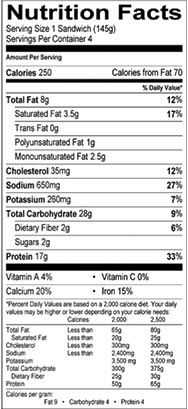
 Awesome! Congrats fiddleThanks butter and Amy! I feel good that I've even kept it up. And yes butter it's all in the quicker lighter steps I ran "slower" yesterday, and it was harder! Amy I went through the food thing last week
Account
Navigation
Search
Configure browser push notifications
Chrome (Android)
- Tap the lock icon next to the address bar.
- Tap Permissions → Notifications.
- Adjust your preference.
Chrome (Desktop)
- Click the padlock icon in the address bar.
- Select Site settings.
- Find Notifications and adjust your preference.
Safari (iOS 16.4+)
- Ensure the site is installed via Add to Home Screen.
- Open Settings App → Notifications.
- Find your app name and adjust your preference.
Safari (macOS)
- Go to Safari → Preferences.
- Click the Websites tab.
- Select Notifications in the sidebar.
- Find this website and adjust your preference.
Edge (Android)
- Tap the lock icon next to the address bar.
- Tap Permissions.
- Find Notifications and adjust your preference.
Edge (Desktop)
- Click the padlock icon in the address bar.
- Click Permissions for this site.
- Find Notifications and adjust your preference.
Firefox (Android)
- Go to Settings → Site permissions.
- Tap Notifications.
- Find this site in the list and adjust your preference.
Firefox (Desktop)
- Open Firefox Settings.
- Search for Notifications.
- Find this site in the list and adjust your preference.