MichiganChic
Gastric Sleeve Patients
-
Joined
-
Last visited
Everything posted by MichiganChic
-
At 3 months, I ate about 500-600 calories a day. At about 4-6 months, I was at 600-700. From 6 months to a year, I was 800-900. Since then, I average around 1000-1400. I have always gotten in at least 75gm protein a day.
-
At 3 months, I ate about 500-600 calories a day. At about 4-6 months, I was at 600-700. From 6 months to a year, I was 800-900. Since then, I average around 1000-1400.
-
Yeah, it was really rough. I went to a dermatologist, got injections and magic potions, and I think they did help because I noticed it slowing down after that. I also used an absurdly expensive shampoo and Vitamin combo he prescribed, but I think that helped, too. It was all just super slow recovery.
-
Mine started coming out at 4 months and kept coming out for another 8 months, and stopped at a year post op. Coincidentally, that's when I started increasing my calories and weight loss slowed. It's taken another year to recover. Almost all my hair is back now, but not all of it. I think I had a worse case scenario because I didn't have thick hair to start with, I had a lot of weight to lose, and I have to eat super small calories to lose, and I'm past 50 and post-menopausal. That's a lot of things working against me! I never missed a Vitamin or a day of getting Protein in, and I took Biotin, too.
-
My understanding is that you can never take NSAIDS after gastric bypass, but you can after about 6 weeks with the sleeve. The reason is because the suture line at the pouch anastomosis (where they attach it) is prone to ulceration in the bypass. I have a sleeve and I've taken ibuprofen every day for the last 2 years. It was one of the main reasons I had the sleeve. I find Tylenol is useless for me.
-
If I were you, I would try to do some true research (in medical publications) about outcomes for diabetics with both the sleeve and gastric bypass. Any librarian at your local library can help you do that if you are not sure how to find valid information on the internet. I would be most persuaded by the results for diabetics who were able to get off insulin and maintain a normal blood sugar. Both the sleeve and bypass can improve or resolve diabetes, but I have read that bypass might be better (though I'm not sure). There is a lot more long term research about that with the bypass, but I haven't really done the research. I think you should do that, and then make the most informed decision based on your findings. There are pros and cons associated with both surgeries, so it behooves you to understand the implications.
-
Mine was easy, too. My insurance didn't even require a pre-authorization. I was sleeved 2 months from the date of my seminar. I had a psyche eval, GI swallow and an ultrasound, some labs, and was ready. So fortunate!
-
It is possible to lose that much Water weight, especially if you have a tendency to retain water. There might be a pound of fat, too.
-
Those look great! I'm going to try those!
-
@@CrazyJaney Thank you, and Congratulations on your great loss! Such an accomplishment in a short time. You're smart to know that you may or may not get to a normal BMI. I saw some people have as much to lose as me and get there, and thought I should be able to, too. I now know that it is the exception, and not the rule when we have so much to lose. And it's not a failure to not be one of the ones who can't do that. There's more to it than just eating less and exercising and it's a guarantee of getting there. Science still does not have all the answers about obesity. I saw my surgeon last week for my 2 year visit, and was looking through the book of successful weight loss patients. Very few had a normal BMI, and most were squarely in the overweight category, and some were still in the obesity category in the low 30s. He is considered a highly successful surgeon with good outcomes, and the practice is certified as a center of excellence. We are all so much better off than where we came from - a true gift.
-
@@VSGAnn2014 Yep, we do have to live in the moment and be grateful for it, because whatever "it" is that we have, can all be taken from us in an instant. Many years as a hospice nurse have taught me that and also really helps to put things into perspective. So, when you spend a lot of time and effort on one facet of your life, and then spend a lot of time talking about it with like minded people, it might give impression that there is nothing else going on in our lives. It also has the potential to take over if we let it, so it is important to not be too narrow minded in our thoughts. Two things, though: If you had a magic wand, just zap me to a permanent and healthy BMI lol! And two, while it's true none of us is getting any younger in years, I think weight loss can turn back time from a health perspective. I am way healthier than I was two years ago. And a little help from my plastic surgeon has definitely made me look way better and younger on the outside, too! I haven't decided, but I might be getting a little "dewier" I do totally agree with your message, though! It is absolutely time to be good to ourselves and be happy. It's a choice, almost always.
-
Here's another reason I supported my 26 year old daughter's choice to get a sleeve: In addition to a better quality of life with her growing family, it also has the ability to improve the quality of her baby's life. He'll grow up in a house where food isn't the focus, and where he parent's eat for nutrition, not fun/sorrow/boredom/whatever. Also, I've seen studies that children will have a better chance of a normal weight if born to normal weight mothers, so that impacts her future, unborn children.
-
One of the main reasons it is easier for me is because I had to eat 900 calories to lost weight. With a whole stomach and hunger hormones raging, I could not do that, and didn't even know that it would take that sort of deficit. So, in that respect, it sort of IS the only way out for some of us. I never said it didn't require extreme effort, but at least for me, the efforts are helped along with decreased capacity and controllable hunger, and those efforts are rewarded with weight loss. So I still work very hard, but that's new for me.
-
This topic comes up all the time, both on BP and in real life, for many of us. There seems to be a general belief that having weight loss surgery is somehow easy, or "less than" traditional, non-surgical weight loss methods. I read thread after thread from BP members having to deal with yet another judgment around their weight and approach to managing their health. They report feeling judged, and express a sense of dismay, sorrow, or outrage. We discuss whether to tell or not. So, I've been thinking about this. First - I don't care what people think. Don't judge me until you've walked in my shoes. But, when I compare my attempts at weight loss pre-sleeve, I have to say, having a sleeve is WAY easier!! So before anyone gets riled up, I am not saying its easy. It's a major surgery, and all of the associated procedures and hoops you deal with just to get the surgery make it a challenge. You have to deal with post op pain, and if you are not one of the lucky ones, there are complications of varying degrees. Once you get through all of that, there is being FORCED to change what you eat, and how you eat. It's forever, and there is no break from it. You have it all day, everyday. So no, not easy. But when it comes to weight loss, it's been easier for me. I still had to do the work, but at least the work paid off for once. I used to be on weight watchers for years, and I'd be lucky to lose 50 pounds in a year, and I'd be more miserable and hungry than I've ever been with the sleeve. I did medically supervised diets, and have the same outcome. At the end of the day, I always gained the weight back, and felt miserable for the time, effort, and money I put in, only to fail. Yep, the sleeve has been much easier for me, and I do not feel the need to defend it. It's just the way it is, and I'm grateful for it. What about you - has it been easier for you?
-
Since your surgeon didn't give you much information, you should probably get a book. There are several out there that give good information about the post op diet. You can also search on the internet, but be careful with that. You can't believe everything on the internet, including what people say on Bariatric Pal, lol! However, here are my thoughts: At this stage, you should be progressing very slowly with your diet. I had to be on full liquids for the first 17 days. That means shakes, strained cream soups, Jello. The pureed soup your mother in law made is probably good, too. After that I progressed to soft foods, which meant cottage cheese, pudding, hot cereals (cream of wheat), scrambled eggs, etc. Make sure to measure your food, and eat slowly. No more than 1/4 to 1/2 cup at a time. Only eat 4 times a day, and no grazing. As for what feels like hunger, it might be acid. Get some over the counter Prilosec and give that a try. And keep after your surgeon. Don't let them ignore your concerns. One other thing, it does get better. I still remember how bad I felt for the first 4-6 weeks. Good luck!
-
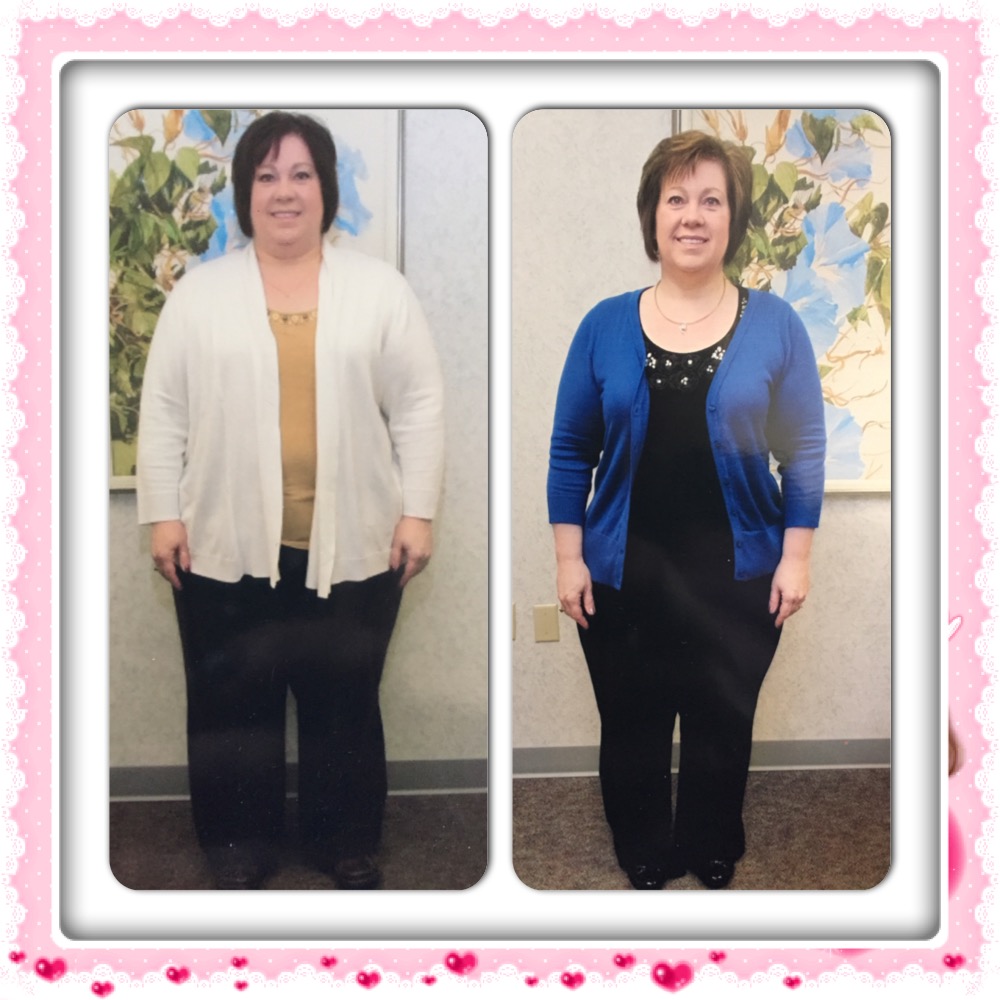
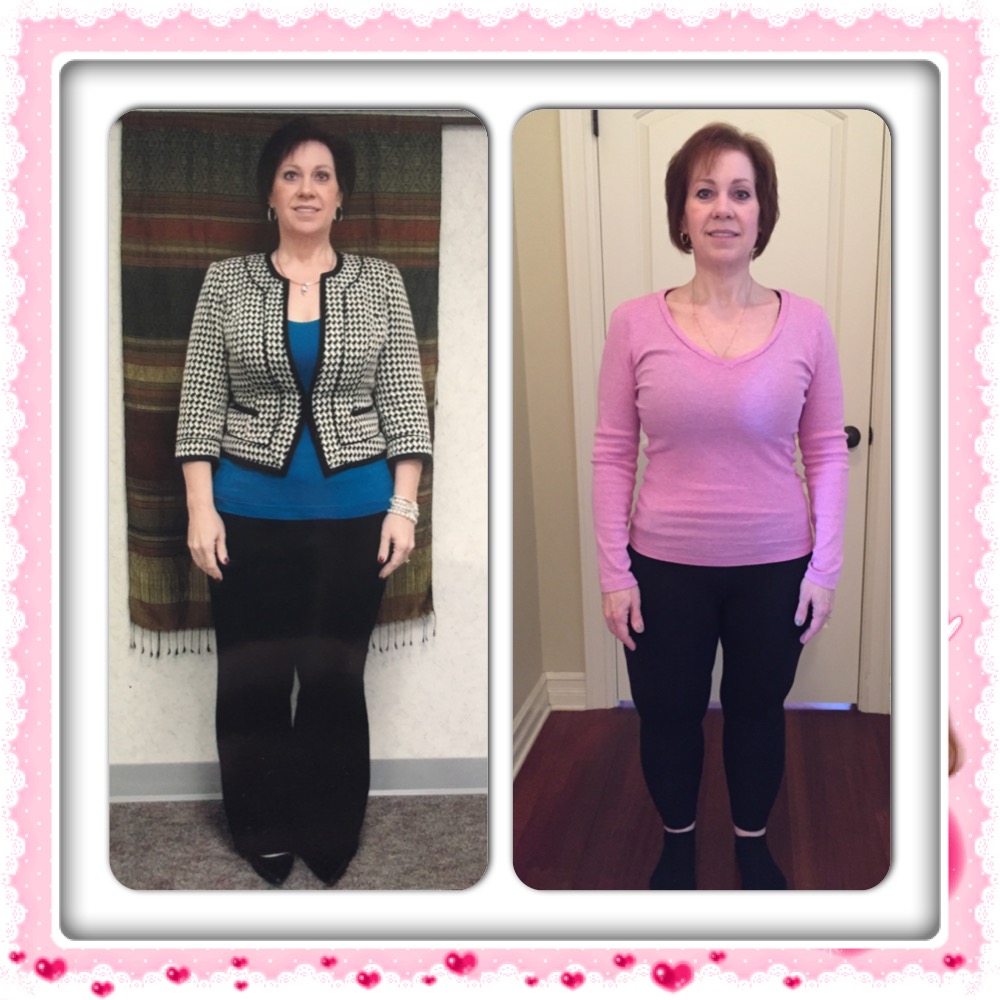
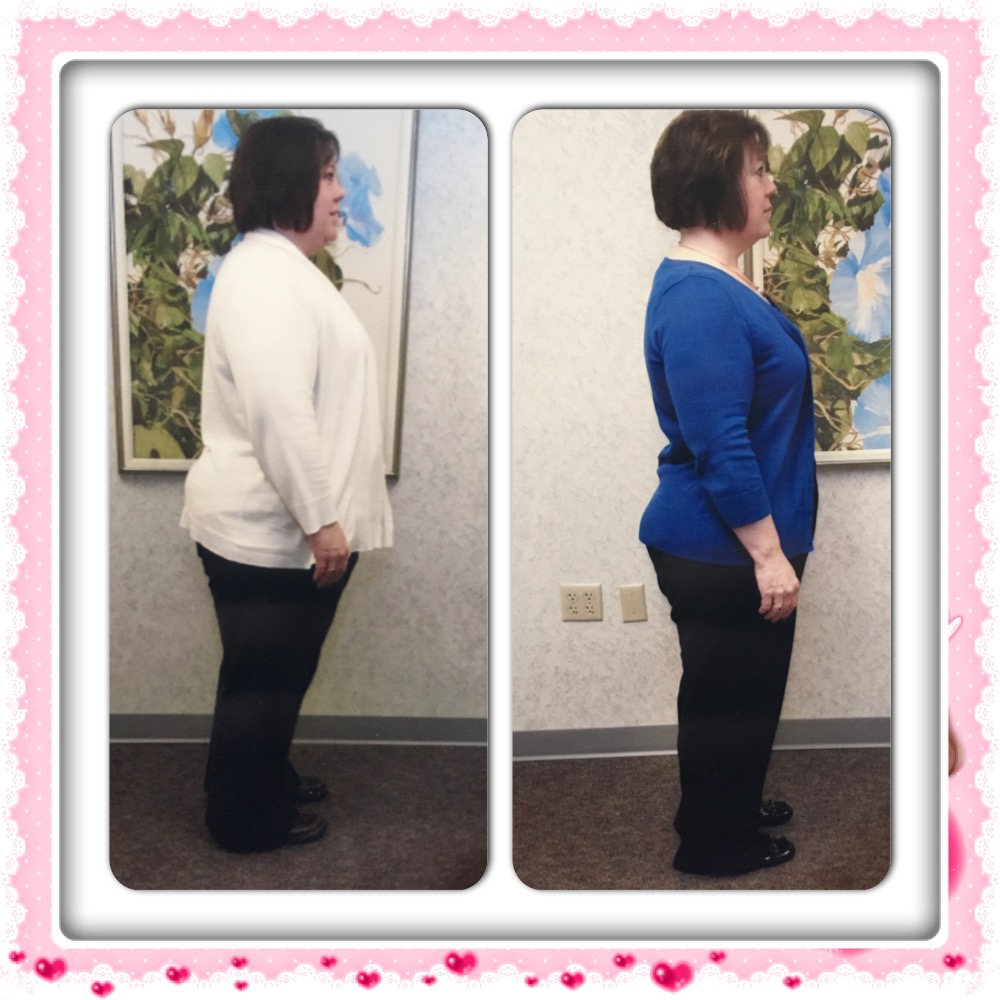
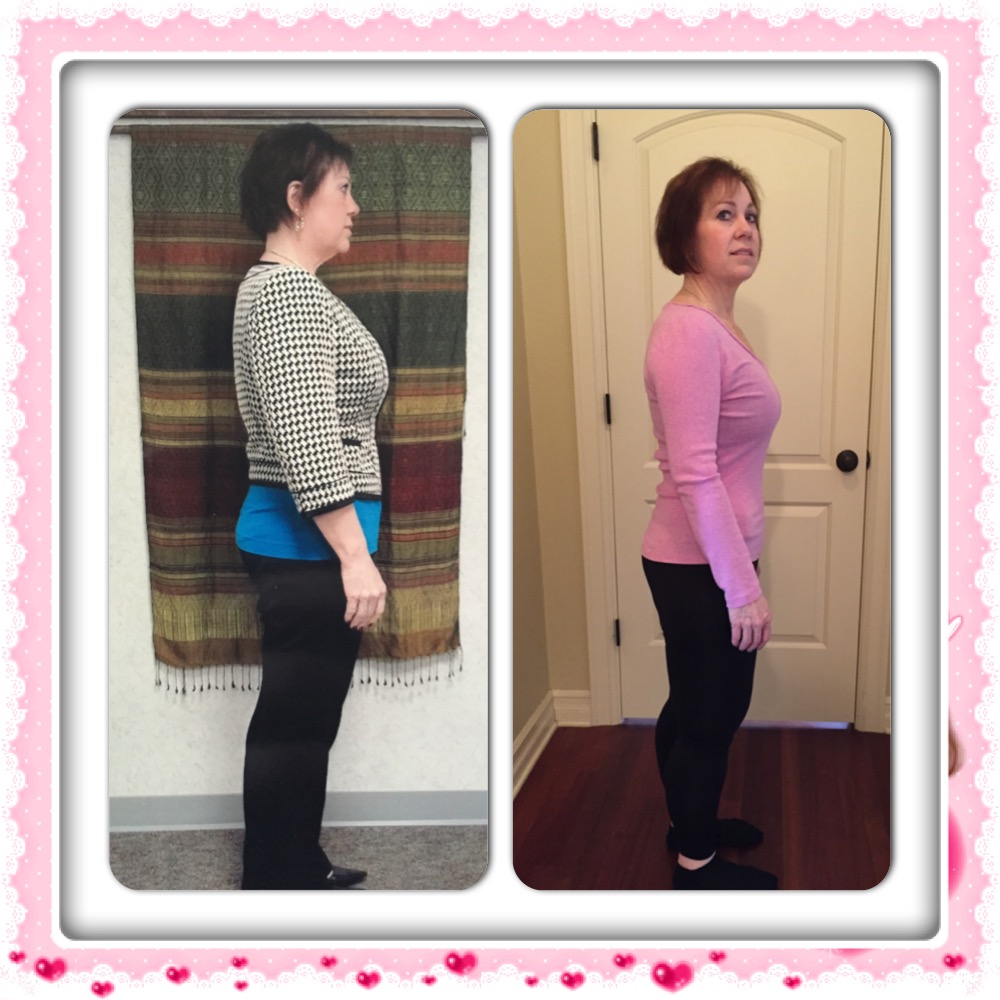
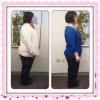
High weight 306 December 2012, current weight 165.



-
I was 50, and if the sleeve had been an option with the same risk level as it is now, I wish I could have done it in my late twenties when I became morbidly obese and just couldn't get the weight off. I considered RNY in my 30's, but the risk factor was much higher, and involved a huge incision, so I opted not to do that. So, I had the right surgery for me and the earliest opportunity. As for my child, I have supported my 26 year old daughter as she had the sleeve. I did not encourage her to seek WLS, but once she decided it was the way she wanted to go, I was OK with it. She has been overweight most of her life, and no amount of diet and exercise was successful. I've seen her struggle, and I believe the benefit is worth the risk for her. She's got a great husband, baby, and wonderful life ahead of her, and I want her to be able to enjoy it. Morbid obesity robbed me of so much as my children were growing up. I have another daughter who is 23, and I would not support her if she decided to have WLS. She has mentioned it and I have discouraged her. Her BMI is not as high, and she can lose weight if she tries. She doesn't have any associated problems. So, for me, the benefit has to outweigh the risk, and I do not want my children to have WLS unless there really is no other option.
-
The "wrong way" is not something I've encountered. In fact, I've not encountered one person I've told who judged me (though I've been very selective in who I've told). My family has been really supportive, so the "wrong way" is a strange concept to me. I suppose people might think it's wrong because the right way would be a traditional diet. I don't care what they think because they are either stupid or uninformed or just judgmental. Life is too short for that shitt.
-
Funny visual there, with the bobble head I have to agree that the BMI chart is not the be all, end all to determine a healthy weight, or even a weight that looks good for lots of people. I know muscular men who have no fat, are not muscle bound, and would be overweight by those charts. I just think science has a long way to go in the field of obesity, from diagnosis, to treatment. My problem is that I'm a nurse and was taught to use that BMI chart for a myriad of things, so unlearning it has been hard for me. I think it can be a quick reference, but we should consider other factors in determining our best, healthy weight.
-
Flights are easy in and out of Detroit
-
I originally set my goal at 145, thinking it would be a normal BMI. Then, I stopped losing at 165.I kept trying, but just couldn't lose. So, then I changed my goal to 155, and figured after plastic surgery I'd probably meet that goal. That's still a normal BMI for someone my age by some charts. So, I had 12 pounds of skin and fat removed and the scale has not budged. Still 165. My surgeon did not set a goal, and said I'm good. My PCP called it good, and so did the plastic surgeon....and my family.....and my friends on BP....and yet I really struggled with the number. But, I've come to the conclusion that this probably IS it for me. I still have swelling from surgery, so maybe a little more will come off, but I'm not counting on it. I didn't want to change the goal because I failed to meet it. However, I've shifted my thinking lately. I'm almost ready to call it a day and declare victory at 165, but I'm going to give it a little time while I wait for the swelling to subside. In the meantime, I think I look fine, and I am successful, despite my too high BMI. It's been quite a relief to just LET IT GO.
-
I've never tried it, but I work for a hospice company, and we provide that service in some locations. What you describe would be wonderful for terminally ill people, as well as healthy people!
-
I have also been guilty of that. Try not to feel too bad. I think we are all different in sizes and our personal goals. I also have a 6 foot daughter, and we are just different shape, size, composition, everything. Having said that , though, it does quickly remind us how difficult it is to be an overweight girl, and we sure don't want to make it any harder for them! and you look great! I agree, time to find contentment!
-
I agree, you've got a great starting point, and I think you'll be amazed at the results. Your thighs are better than mine after having 2.5 pounds of skin and fat cut off of each of them. Good luck, and can't wait to see how great you look!
-
Sleeves are unique, and rate of healing is, too. I doubt you've stretched, but I do believe it can be stretched. I have never thrown up, never slimed, and can eat a lot more at 2 years than I wish I could. At six weeks out, I could also eat more than many people report, but it was still very little, as you are describing. My advice is measure your food. I was supposed to be eating no more than a half cup per meal at that time. Just because we can eat more than that does not mean we should. It's important to eat slow and pay attention to signals you get that you are becoming full - and then stop. That is definitely a hard thing to learn, at least for me, but it is critical. I would not be too alarmed at the quantity you can eat. There are many of us who are like that and do succeed. I do think a larger capacity is both a good thing and a bad thing. I requires us to work a little harder to control portion sizes, but it also means less/no vomiting and sliming. I can now eat roughly 8-12 ounces, depending on what it is. If I allowed myself high calorie foods or ate to capacity or grazed, I'd weigh 300 pounds again. I saw my surgeon yesterday, and he said that capacity is pretty normal for 2 years post op. So I still have the tool, it still keeps hunger controllable, and the capacity keeps me from going off the rails, but now I'm putting in a great deal of effort to stay on track.