
Alex Brecher
Founder
-
Joined
-
Last visited
Everything posted by Alex Brecher
-
Now that Halloween is over, we’ve unofficially arrived at holiday season. Holiday season is bad enough when you aren’t a weight loss surgery patient. You may remember years and years of fighting temptation during the holidays, only to gain a few pounds by January 1. Like pretty much everything else in your life, the holidays are a whole new ballgame after weight loss surgery. Your weight loss surgery diet is strict. It doesn’t include fatty foods and sugary desserts. Going off your weight loss surgery diet can stall weight loss and also cause complications. You could be prone to dumping syndrome if you have the gastric sleeve or gastric bypass, and lap-banders can face obstructions and acid reflux with the wrong foods or too much. If you let your guard down for the rest of November and December, you can find yourself slipping off of your diet and feeling pretty unhealthy. But by keeping your eyes open and planning ahead, you can keep yourself on track and get through the holiday season feeling proud of yourself. Watch Carefully to Avoid Extra Calories Calories show up everywhere at this time of year. Sometimes they don’t even seem that bad, but they add up quickly. Have a bite here and a handful there without paying much attention, and you might be disappointed when you weigh in on New Year’s Day. Don’t let calories slip into your diet. First, be aware of the extra calories that are around. They can include any of the following. Lunch or dinner out when a friend or family member comes to town. Chocolate truffles on the secretary’s desk or the break room at work. Cookies from well-meaning friends and family who want you to taste-test their creations. Sweetened, pumpkin-spice coffee instead of calorie-free regular coffee. Food court fare when you’re holiday shopping at the mall. Holiday parties, potlucks, and dinners. Stick to Your Good WLS Habits The first line of defense is to stick to your regular good everyday weight loss surgery habits. Log every bite of food you take to keep from getting in hundreds of extra calories from sneaking in a taste here and there. Even if you have to estimate the calories in some of your food, especially if you eat out or at a party, you can keep more discipline if you log your food. Also, think about your other healthy habits. Keep drinking water between meals. And, protein is still all-important. Make sure you have some at each meal and snack. Focusing on finding lean protein can keep you focused when you’re faced with all kinds of other unhealthy choices. Arm Yourself Against Temptation If you’re starving and you’re face-to-face with a basket of chocolate-covered pretzels, you might opt for the sugary, high-carb snack. Unless that is, you have your own weapon. Keep some high-protein and low-calorie choices with you at all times so you never need to go for the junk food in desperation. We have many health snack options at the BariatricPal Store! Take them with you to work, or in your car, purse, or pocket. You can have them if you’re stuck in traffic or at the mall at mealtimes. Almonds packed in 1-ounce portions. Beef jerky (not fatty beef sticks). Apples Cheese sticks Roasted soybeans or garbanzo beans Tuna pouch Work around Your Cravings You don’t need to deprive yourself completely at holiday time. If there’s a particular taste you want, there’s a good chance you can satisfy your craving with a healthier alternative. For example, you can have lean ham and turkey breast instead of brisket and turkey with the skin on it. Roast green beans with onions, rosemary, and balsamic vinegar instead of having green bean casserole, bake sweet potatoes instead of having candied ones, and puree cauliflower or carrot instead of making mashed potatoes. Use the same strategy for desserts. Go for sugar-free cocoa mix instead of chocolate fudge when you’re craving chocolate. Munch on plain popcorn while your friends are passing around the caramel corn. For breakfast, make high-protein oatmeal pumpkin pancakes instead of regular pumpkin pancakes. Plan for a Few Treats Almost everyone has a few holiday treats that are irresistible. There may be some family recipe that you’ve had at every Christmas for as long as you can remember, or maybe a coworker brings in her cinnamon rolls made from a secret recipe. Whatever it is, you feel as though the holidays are incomplete without it. There’s no reason not to plan for one or two key treats. Just be sure you plan for them and stick to a single serving. Savor it, and concentrate on the flavors and on the memories and feelings it brings up. Then get right back on your regular diet. There are a couple of reasons why some weight loss surgery patients might be better off skipping even the occasional special holiday treat. First, don’t start if you’re not sure you can stop. If you’re not confident that you can stick to a single serving, it’s best not to start eating. Second, some weight loss surgery patients can’t tolerate all kinds of junk food. Fried and doughy foods are risky for lap-band patients, since they can obstruct the band. Gastric bypass and vertical sleeve gastrectomy patients are at risk for dumping syndrome from eating too much sugar or fat at once. And, no weight loss surgery patient should eat too much, since that can stretch the pouch or sleeve. The holiday season is a happy time, but it’s a struggle if you’re trying to lose weight and get healthy. You can prevent it from sneaking up on you and interfering with your weight loss by staying alert and having a plan.
-
The holiday season can be a nightmare for anyone trying to lose weight. Once you’ve started thinking seriously about weight loss surgery or you’ve had weight loss surgery, you’re even more serious about eating healthy. Still, it can be tough to eat as cleanly as you do at other times during the year. For that reason, many weight loss surgery patients modify their goals for November and December to make them more realistic given the holiday treats that are everywhere. Are you changing your goals as we head into the holiday season? No, I plan to stick to my normal diet and I’m keeping the same goals for weight loss and eating. Yes, I’m still planning to lose weight, but maybe not as fast as I have been recently. Yes. If I get through the holiday season without gaining weight, I’ll be thrilled. Yes, I’m giving up on the scale and making it my goal to eat cleanly. Yes. I’m not going to worry about the holidays, and I’ll take stock on January 1 to see what I need to do to get back on track. Other. Let us know in the conversation below! Mark your answer and explain it in the conversation below! We want to know how you adjust your goals for the holidays.
-
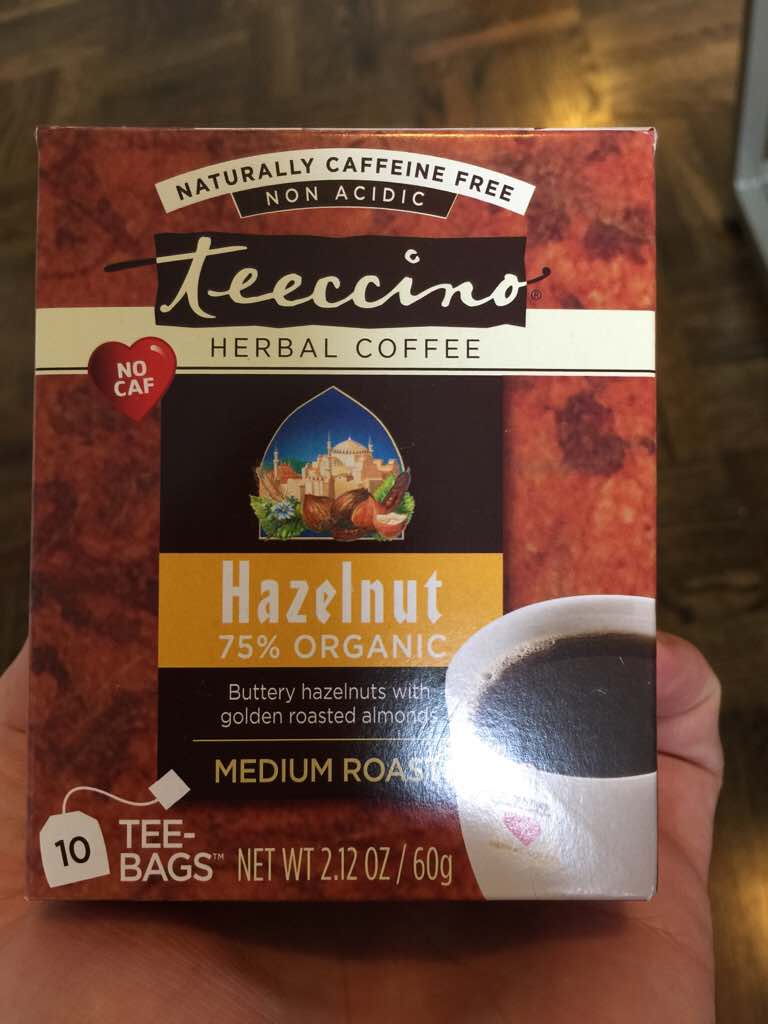
I generally drink tons of caffeine free tea daily. I definitely miss my coffee. I drink Teeccino which tastes like coffee every once in a while.
-
Weighing yourself is part of losing weight and keeping it off. You celebrate when you see a “good” weight, and you reconsider your diet and exercise when the number’s not what you hoped. The number on the scale keeps you accountable, but it’s not the only way to measure success. Weighing yourself is important, but doing it too often can hold you back. How often do you weigh yourself? Every day, and I record (or remember) it as my “official” weight. Every day because it keeps me focused, but I only count it as an “official” weigh-in once a week Every week, to monitor how I’m doing. Just once a month. I have plenty of other things to worry about besides what the scale says. Not often anymore. I’m at my goal weight or I’ve been losing weight long enough that I know how I’m doing. Other. Let us know in the conversation below! Mark your answer and then explain it in the discussion below! We want to know how weighing yourself fits into your weight loss plan!
-
http://www.bariatricpal.com/index.php?app=core&module=usercp&tab=core&area=displayname
-
Personally, about two years ago I went from 8 cups and a Keurig on my office desk to 0 cups and a poland spring water fountain instead :-)
-
That's quite odd! Can you reboot your device please or restart the app ? Which phone/device platform are you using please ?
-
Caffeine is a part of daily life for millions of Americans. Some people limit themselves to a single mug of half-calf to help them wake up in the morning, while others depend on the drug at all times of the day. There’s the morning cup of coffee to wake you up, the travel mug on your morning commute as you fight traffic, the morning coffee break to help you focus, and the afternoon pick-me-up soda. For most people, this drug is about as harmless as a drug can be. It wakes you up, keeps you mentally sharp, and even helps you burn a little extra fat. There aren’t many serious health risks, as long as you don’t have too much. For weight loss surgery patients, though, caffeine is a bit of a bigger deal. Find out what it can do to your body, how much is safe to have after surgery, and where to find it. Caffeine and Your Digestive Tract Caffeine is an acid, and it can irritate the lining of your stomach pouch or sleeve. This is true whether you have the lap-band, vertical sleeve gastrectomy, or gastric bypass. One way to prevent symptoms is to make sure you don’t have your caffeine on an empty stomach. However, that’s not really possible when your weight loss surgery diet doesn’t allow you to have beverages at the same time as solid food! Limiting your consumption is the best way to avoid trouble. Caffeine and Acid Reflux Acid reflux occurs when acid from your stomach comes up into your esophagus or throat, causing symptoms like heartburn or an acid taste in your mouth. Acid reflux is considered gastro esophageal reflux disease (GERD) if it persists. Weight loss surgery often helps with GERD, since obesity is one of the main factors. However, you can still get GERD after weight loss surgery, especially if you have the lap-band. What does all this have to do with caffeine? Coffee and other source of caffeine are among the foods beverages that make acid reflux worse. There are plenty of other risky foods, such as citrus fruits, spicy foods, fried foods, and garlic. If you do choose to have caffeine, just be watchful for signs of acid reflux and ask your doctor if you think there may be a connection between caffeine and your symptoms. Does Caffeine Dehydrate You? Staying hydrated is a big deal after weight loss surgery because it’s so important and so tough. It helps keep you full and healthy, and you can only do it if you plan carefully and pay attention to your fluid intake. Coffee and caffeinated diet iced teas and other drinks may seem like a great alternative to water, which can get pretty boring. Unfortunately, caffeine is a diuretic. That means it increases the amount of water your body loses. That means it helps dehydrate you. It’s not a serious problem if you don’t have too much caffeine and if you’re drinking plenty of other liquids, especially water. If you’re already struggling to hit your 8 to 10 cups of water a day, though, you might want to think seriously about skipping the caffeine so you don’t get dehydrated. Caffeine and Your Nutrient Status One of the most serious problems with too much caffeine for bariatric surgery patients is that it interferes with nutrient consumption. This comes at a time when you’re fighting hard to give your body the nutrients it needs through healthy eating and supplements. Caffeine reduces your body’s absorption of two key nutrients: calcium and iron. Miss out on your calcium, and you’re at risk for developing osteoporosis and a high risk for bone fractures later on. Skip the iron, and you could get anemia, making yourself tired and weak. If you do choose to have caffeine, make sure it’s not at the same time you’re taking your nutritional supplements. How Much Caffeine Is Safe? There’s no single recommended amount of caffeine that’s best for everyone. The right amount for you depends on a variety of factors. How it affects you. The type of surgery you have. Your surgeon’s recommendations. A good amount for many bariatric surgery patients who can’t face the thought of quitting might be a cup in the morning to get you awake. Cutting Back on Caffeine If you’re addicted, cutting back on caffeine can be challenging. You can get some headaches, feel groggy and cranky, and get constipated. These symptoms only last a few days, though, and you can use them as motivation to take good care of yourself. That’s because healthy behaviors like getting enough sleep, exercising, and drinking enough water can help reduce withdrawal symptoms. If you’re trying to have less caffeine, it’s helpful to know the sources. Everyone knows about coffee, but there are plenty of other places where you might find caffeine. Hot and iced coffee and coffee drinks. Hot and iced tea. Diet and non-diet energy drinks, including 5-Hour Energy. Some over-the-counter migraine, pain, and cold and flu medications. Caffeine has a lot of uses in everyday life, and it’s not necessarily a bad drug. But, after weight loss surgery, it can be a problem if you have too much. If you love your coffee, ask your surgeon how much you can have to make sure you don’t harm yourself while you’re working so hard to get healthy and fit.
-
Apple finally pushed out our fixed app and it's available to update in the App Store. The issue of posts getting cut off should now be resolved.
-
We un-blacklisted your email. Please let me know if you have any other issues.
-
I have the wireless fitbit scale. Love that I'm able to keep my weigh in history since I've purchased it.
-
Sent you an email.
-
Exercise can be an important part of your weight loss surgery routine. It burns calories and helps you maintain lean muscle to boost metabolism. It also helps you stay disciplined so you can make better diet choices the rest of the day. People have different approaches to getting in their daily exercise. When do you exercise? I’m a morning exerciser. Early morning, or it doesn’t get done. Lunchtimes are for me. It’s the only time of day when I can take some time to walk or hit the gym without worrying about work or my family. I get out after work. It helps me unwind, and it’s a great way to get ready for my family and dinner. I’m an evening exerciser. I get it in after dinner, and love that it helps me digest my food better! I don’t have much time during the week, so I make sure to get out on weekends. I don’t have a set schedule. I get it in when I get it in. Exercise? I know I should do it, and I will start…soon. I can’t exercise because of a medical condition. Other. I’ll tell you in the conversation below. Mark your answer, and explain it in the conversation below. We want to know when you get your exercise in!

-
I agree with you 1000% Any ideas on how we can get this vid going viral??? Quick random fact: There are more than 10 people to every 1 person that doesn't have access to weight loss surgery. I think it's social stigma and fears that hold most people back, agreed!
-
Please leave a positive review on Amazon or Kindle if you enjoy!
-
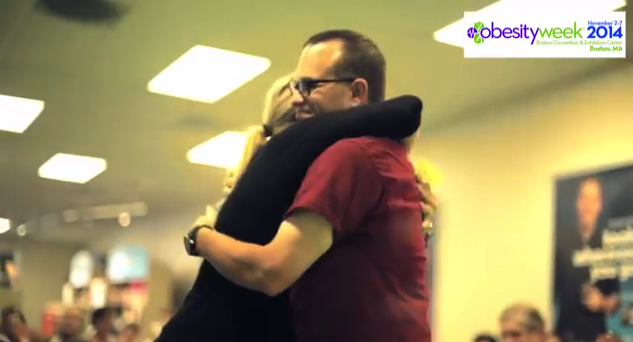
In Their Own Words: The Decision that Changed Their Lives New ASMBS Video that just Premiered at ObesityWeek 2014 WATCH IT AND LET US KNOW YOUR THOUGHTS OR COMMENTS BELOW PLEASE! BariatricPal encourages people to share this video with friends and family. If you are a medical professional, feel free to share this video with your patients or include it on your website. Elliot Avidan, 42, has the discipline of a military officer, the analytical skills of a lawyer, and the determination of a prizefig “I was given a chance and that’s all I needed. I was headed down a path that most likely would have led to an early death,” said the attorney and Navy veteran. Avidan is one of three patients featured in a new video developed by the American Society for Metabolic and Bariatric Surgery (ASMBS). The video also explores how Avidan, Teresa Bell-Stephens, a nurse and Jamie Dukes, a television football commentator and former NFL player, overcame their own doubts, misconceptions and fears, as well as those of their family and friends, to stop obesity before it stopped them. “I first considered bariatric surgery in 2011, but my sister talked me out of it. She thought I would die. She just told me to eat less and exercise more. It wasn’t that simple. Without it (bariatric surgery), I couldn’t succeed in the long-term. I would be destined to a lifetime of losing and gaining, while my health deteriorated.” -- Elliott Avidan It would take three years before Avidan had bariatric surgery, a decision he credits with saving his life. “I went from 180 to 300 pounds in five years before waking up one day and realizing I was a different person. I was unhealthy, unhappy and almost didn’t recognize myself. Today, my life is completely different.” Teresa Bell-Stephens, 41, who had a sleeve gastrectomy in 2012, gained more than 60 pounds during infertility treatment. She was successful in having a baby, but unsuccessful in her attempts at weight loss afterwards. She said she was unhealthy, out of control and headed for a future that included diabetes, heart disease and joint problems if she didn’t do something to change that trajectory. She said she had bariatric surgery because, “I wanted to be a parent.” The video follows Bell-Stephens as races through her day, which includes hospital rounds and caring for patients, swimming, biking and spending quality time with her husband and son. “I look at the world differently now because I feel I can engage in everything. And I felt that before I had to sit out on some things. Now I don’t have to sit out anymore.” -- Teresa Bell-Stephens Jamie Dukes, an on-air analyst for the NFL Network and former NFL offensive lineman, talks sports for living and during football season splits his time between the NFL Network studios in Los Angeles and his home in Atlanta where he live with his wife and two children. It took the premature deaths of four former teammates -- all of whom died before the age of 44 from conditions linked to obesity -- for Dukes to come to the realization that his life after football could be a short one if he didn't do something about his weight. Since retiring from the NFL in 1996, he had gained more than 100 pounds and despite many attempts at dieting, his weight continued to rise. In 2008, after the deaths of three former teammates, all in their 40s, Dukes decided he had to do something about his excess weight. He says in the video, “I thought I was going to die. Guys who were 80, 100 pounds overweight just died. What would make me more special than them?... I just had to do something.” That something was bariatric surgery. “It’s a procedure to get you where you need to go.” “I reached a turning point in my life. I had to make a life decision to change my lifestyle not only for myself, but more importantly, for my family. I want to be around for them and beating back obesity is going to help me do that.” -- Jamie Dukes “These patients are inspiring,” said Ninh T. Nguyen, MD, ASMBS president. “They each an important decision that would forever change their lives. We hope others are inspired to do the same.” Watch the premier of the ASMBS video during Dr. Nguyen’s presidential address at ObesityWeek 2014. The video will also be available for use by members and be featured on the ASMBS website.

-
Jamie Dukes, the television football commentator and former NFL offensive lineman, is known for telling it like it is, and in his new book “Beware the Frenemals,” he does just that. He uses the term “frenemals” to describe those people in our lives that are barriers to success or enablers of our failures. Dukes says frenemals, who can take the shape and form of family members, friends or one’s own inner voice, were major obstacles to his overcoming obesity and deciding to have bariatric surgery in 2008. “My loving parents were softly suggesting I needed to do something about my weight but did not provide the tough love I needed to send me on the path to finding the right solution. Some of my closest friends convinced me that pursuing bariatric surgery was somehow cheating. I guess I was hearing what I wanted to hear, before stepping up the reality that I had a life or death decision to make. I finally realized I had to block out the noise about weight loss surgery and do the research.” Dukes chose life and since surgery has lost close to 100 pounds and is happier and healthier than ever balancing a busy career on television and radio, and a family life that includes his wife and two children. “Having bariatric surgery has been one of the best things I’ve ever done because I found a tool that has helped me be a winner in the battle with obesity,” he said. Dukes wrote the book to help empower people, including potential bariatric surgery patients, to take control of their own destinies and come to terms with those issues in life, including obesity, that hold them back or even put their lives or health at risk. Dukes says there are three kinds of frenemals: Frenemal #1 – Family: Family members can be guilty of enabling or manipulating dysfunctional behavior. Only family can provide tough love. Only family can take advantage of us in an intimate way. Frenemal #2 – Friends: Fair-Weather friends who stab you in the back. These are the people in our inner space who are like-minded and share our dreams. But if we get in the way, they will turn on us for their own personal gain. Frenemal #3 – Friend on the Inside: This is the voice within. This voice is particularly dangerous because it’s a friendly voice. This is the voice that can tell us to have the extra drink and get behind the wheel of the car and nothing will happen. This same voice tells us to have that extra helping of food. “The only way we can overcome challenges in our lives starts with recognizing that they exist. The mission of “Beware of Frenemals” is to make people aware of their existence. When I came to the realization that the Frenemals in my life were a hindrance, I was empowered to do whatever it took to get my obesity under control,” said Dukes. “Beware of Frenemals” is available at amazon.com. Dukes is also one of the patients featured in the new VIRAL ASMBS patient video that just premiered at ObesityWeek 2014.



-
We figured out the problem. Our latest app update caused this prob. We hope to have another update out asap.
-
Thanks for the screenshot, it's very helpful! Looks really annoying! I haven't received any other complaints but we're going to research and see if we can assist you with this issue.
-
You must be logged in to post.
-
One of our main assistants caught the Flu! Please contact us if you're interested in assisting us at ObesityWeek in Boston this year.
-
Hey, BariatricPal Members! This is a beautiful time of year, with gorgeous days and crisp nights. Everything’s back to normal after the summer lull, and it’s time to take advantage! You’re more likely to be able to lose weight when you fit a healthy diet and exercise into your regular schedule, so take a few minutes to rearrange your schedule if you haven’t already. First, though, here’s what we have for you in this month’s newsletter. Member Poll: How Did You Find and Choose Your Surgeon? Member Spotlight – Meet Georgia! In the News: Can Weight Loss Surgery Make You Smarter? Need a surgeon? Take Advantage of BariatricPal’s Surgeon Directory! We hope you enjoy the newsletter and find some inspiration in it. For a lot more inspiration, log on to BariatricPal and join the discussions. See you on the boards! Sincerely, Alex Brecher Founder, BariatricPal Member Poll: How Did You Find and Choose Your Surgeon? Choosing a surgeon is one of the most important parts of weight loss surgery. You want a surgeon who is skilled and who is someone you can trust. How did you find and choose your surgeon when you decided to get weight loss surgery You had no choice. For example, you’re covered under an *** and you went with the surgeon whom you were referred to. You used BariatricPal’s surgeon director or another online directory to find the surgeons or bariatric centers in your area and then chose one based on their reviews and your initial experience with them. You used Google (or another search engine) to find surgeons in your area. You saw advertisements online or on television and contacted the bariatric center or surgeon. Your primary care or other regular doctor recommended a surgeon to you. A friend or family member got weight loss surgery and recommended his or her surgeon to you. You couldn’t afford weight loss surgery in the U.S., so you got a friend’s recommendation or used an online search to find a surgeon in Mexico or another country. Other – tell us about it in the discussion below! Mark your answer and let us know in the conversation on the boards how you found your surgeon and why you chose the one you did! This information can help BariatricPal members who are considering surgery to find a great surgeon. Insure Nutrition We are always thrilled to welcome a new newsletter sponsor into the BariatricPal family, and this month, Insure Nutrition is giving us the pleasure of doing just that. Our latest sponsor, Insure Nutrition, is an online company that specializes in getting health insurance coverage for nutritional supplements. Its Post-Bariatric Surgery Nutrition products includes Premier Protein shakes in chocolate, vanilla, and strawberry flavors and OptiSource High Protein drinks in caramel and strawberry flavors. Checking if you are eligible is easy. Insure Nutrition encourages you to use its online form to find out if you qualify. Our sponsors help make BariatricPal newsletters and other services possible. We encourage you show your thanks by considering them first for your bariatric needs. Exciting News – We're welcoming unjury and Opurity to BariatricPal! BariatricPal is proud and excited to announce two new sponsors for our newsletters. The new sponsors are Unjury, a supplier of wonderful tasting, highest quality protein supplements, and Opurity (from the makers of UNJURY), highest purity Vitamin supplements for bariatric surgery patients. Their support lets us keep BariatricPal newsletters coming to you each month. Unjury was founded by a master’s degree dietitian who has been helping patients since 1974. It is committed your health. You know the importance of getting enough protein after weight loss surgery, but you also know that meeting your protein goals can be challenging. Unjury makes your task not just easier but actually enjoyable. Product flavors include Chocolate Splendor, Chocolate Classic, Vanilla, Strawberry Sorbet, chicken Soup Flavor, Unflavored, Protein’d cheese Sauce (seasonal, October through May). These ready-to-use protein powders come in single-serve and multi-serve containers, and contain high-quality whey protein to keep you full and nourished. Launched in 2007, Opurity is dedicated to using the purest ingredients in its supplements. Opurity Bariatric Multivitamins have two unique big advantages: First, each multivitamin requires only one tablet per day*. Second, Opurity is so dedicated to quality that it is unique in using no ingredients from China. Choose from chewable orange-berry multivitamins for gastric bypass and gastric sleeve patients or for lap-band patients.Opurity also sells chewable calcium, vitamin D and folic acid/vitamin B-12 chewables. All supplements come with a 100% satisfaction guaranteed. They return policy is: “Yes you can return it.” Support from Unjury and Opurity helps us continue to bring you the services you enjoy on BariatricPal, so please support these two brands! When looking for your bariatric surgery supplements, first visit Unjury.com and Opurity.com. Purchasing from these companies helps support BariatricPal. Thanks to Unjury and Opurity for your generous sponsorship, and thanks to BariatricPal members who support our partnership! *You still need calcium and sublingual B-12. Member Spotlight – Meet Georgia! This month, we are pleased to feature Georgia from Conway, Arkansas. She had struggled with her weight for most of her life, and gradually put on the pounds as the years passed. She thought about weight loss surgery for years, and made her decision on Christmas Day, 2009. That was the day she found her mother on the floor at home after a fatal stroke. Georgia knew she’d be next if she didn’t act. She carefully researched her options and signed up for a seminar in March of 2010. Though she had thought she would get the lap-band, she changed her mind when she learned about a new procedure vertical sleeve gastrectomy. It sounded perfect for her, and she got the surgery in June of 2010. Her weight was 250 pounds. Georgia’s life improved immediately. Within months, she got off of her blood pressure medications and stopped using her C-PAP machine for sleep apnea. She lost 100 pounds, or 100 percent of her excess weight, in the first eight months! She loves shopping wherever she wants for clothes and hearing her granddaughter say, “Nannie, you are sooo skinny!” People tell her she doesn’t look or act anywhere near her age of 60. It wasn’t all easy, though. When she hit her goal weight, Georgia learned that maintenance is tough. Little slip-ups in her diet added up to a gain of 27 pounds by June of 2013, and she knew she needed to act. She and some BariatricPal friends tried the 5:2 Diet, which involves eating without much restriction for five days, then cutting way back on the other two days. She got down to a lifetime low of 140 pounds, and then slowly gained some back. Now, she’s realizing that everyone, even slim people, need to struggle with maintenance, and she’s learning how to succeed in her own personal way. Georgia found VerticalSleeveTalk (now BariatricPal) early on, and continues to use the boards one or more times a day. She suggests finding a group of members whom you “can trust and bare your soul to.” Georgia helps out everyone on the boards by being a Forum Host. Her advice to others is to “connect, connect, connect with BariatricPal members.” Log your food using a convenient program or app, and she also suggests using a Fitbit or other fitness device. You’re more likely to succeed when you know what you’re doing. For members who are approaching or at goal weight, she says to make sure you figure out how to keep the pounds off in a way that works for you. Georgia, thanks for being a Forum Host and for sharing your story with us. Congratulations on your weight loss! For members who want to see how great Georgia looks, you can check out her photos on her profile! Is there someone you want to see featured in the BariatricPal newsletter? Nominate yourself or someone else in the Member Spotlight Forum, or send Alex Brecher a private message. We love hearing from you! In the News: Can Weight Loss Surgery Make You Smarter? What benefits do you think of when you think about weight loss surgery? Looking better? Getting off your medications? Keeping up with the grandchildren? Fitting into “regular” clothes? What about getting smarter? It turns out that weight loss surgery may support brain health, too. A study published in August in the Journal of Clinical Endocrinology and Metabolism looked at the effects of Roux-en-Y gastric bypass on the brain. They tested the brain function and used MRI to look at brain activity and metabolism before and after surgery in 17 women with an average BMI of 50 kg/m2. What they found was striking. Before surgery, the test group had lower scores in neuropsychological tests compared to normal-weight women. However, they had higher levels of activity in an area of the brain responsible for higher-level thinking. 24 weeks after surgery, the gastric bypass patients had an average BMI of 37 kg/m2. Remarkably, their brain function and metabolism was similar to that of the normal-weight women! That means that obesity can make the brain work harder without performing as well. It’s also known that obesity is a risk factor for dementia and Alzheimer’s disease. Is it time to start taking care of your brain? Need a Surgeon? Take Advantage of BariatricPal’s Surgeon Directory! A good bariatric surgeon can make the difference in your success with weight loss surgery. The right one: Works with you to decide on the best type of surgery for you. Is skilled at the surgical procedure. Provides the care and support you need before and after surgery. It’s not always easy to find the right bariatric surgeon, since you may not know many other weight loss surgery patients and online reviews aren’t always trustworthy. That’s not a problem with BariatricPal’s weight loss surgeon directory. Search for surgeons in your area. Narrow your search by location, surgery type, accepted insurance, and hospital type. Read member reviews from BariatricPal users who are patients. It’s an important decision, and you want to make the right one. You can be sure to get credible information when you use BariatricPal’s surgeon directory. That’s it for this month’s newsletter! Come talk about it on the boards, or feel free to drop a line through private messaging. We love hearing from members!
-
Our admin (Ken) has been out sick with the Flu this entire week. He's going to get on this as soon as he's feeling better.
-
Translated: I don't like drinking Protein drinks every day. Protein Drinks are good to drink maybe when at University
-
Halloween’s a scary time for weight loss surgery patients, and not just because of the witches and goblins in your neighborhood. The calories and sugar in Halloween candy can interfere with weight loss and give you dumping syndrome. How do you approach Halloween and the candy that comes with it? Allow yourself a single piece of candy because you look forward to it for weeks. Forbid yourself any candy because you know you can’t stop at one piece. Take charge of the decorations and costumes so you don’t have time to go for the candy. Buy erasers, magnets, and other non-candy goodies instead of candy to hand out to trick-or-treaters. Give in. It’s only one night, and you want to enjoy it and fit in with your friends. Other. Explain in the conversation below! Don't worry about it. Since weight loss surgery, you haven't been tempted by candy. Mark your answer and then discuss it in the conversation below. We want to know how you handle Halloween!