
Alex Brecher
Founder
-
Joined
-
Last visited
Everything posted by Alex Brecher
-
ohiodoc, Welcome to the forums! This is a great question, and definitely something that you and all of us need to address at some point. I think you got some very good advice from the members who have posted. I agree to let it come up naturally – you don’t have to decide one way or the other and stick with it all the time. You can choose to tell people up front, or you can tell them if they ask how you lost the weight, or you could decide not to tell them. Personally, I tell people. I am proud of my lap-band, and I want people to know weight loss surgery could be an option for them or someone they know. I also want people who aren’t WLS candidates to know that it can work. Whatever you decide, remember that it is entirely your decision, and your decision is the right one.
-
Everyone’s different, so you have to do what is best for you. Some people do better when they have a home gym because…it’s at home. You don’t have to pack up and leave the house just to work out. You can watch whatever TV show you want, and blast your music. There are some reasons why I like going to the gym. First, it’s a better deal in terms of money paid compared to equipment available. Each of those cardio machines costs thousands of dollars, and you can use whatever you want, whether it’s the bike, treadmill, or elliptical. They’re maintained for free – or at least on the gym’s dollar. Then there are all kinds of weights and pulleys. Then there are group fitness classes – usually included in a gym membership. They’re motivating because you’re with other people and you learn new things – your workout never gets old with group fitness. Another benefit of the gym, for me, is that it is a place to work out. Period. When I’m there, I’m focused. When I’m at home, there are so many things I can find to do, from checking email to cleaning the house. I’m always tempted to stop my workout early or delay getting started, whereas I’m less likely to do that at the gym. These are my reasons for joining a gym. But, like I said, everyone’s different. I guess I might say to try a gym first, if you think it’s a possibility, before investing in thousands of dollars of equipment. It’s more tolerable to waste a hundred dollars or so on gym membership you don’t end up continuing than to sink thousands into some home equipment if you don’t end up using it.
-
Luckily, there aren’t too many foods I want but can’t have. If I have a craving for something, I can basically have it without having too much trouble – the lap-band is pretty forgiving. For me, it’s sometimes the quantity I miss…eating a lot (too much!) of a junk food. I do indulge with smaller portions – occasionally. I just make sure that it’s something I really, really want and that the craving doesn’t go away after a few days. There are definitely a few times a year when I have made friends with a pint of Haagen Daz, and enjoyed every spoonful!
-
Thanks for the compliments on the articles! I am so glad they are useful. Yep - WLS (especially gastric sleeve and bypass) can definitely affect (reduce) ghrelin levels and therefore reduce hunger. That's right - so that's a way WLS helps you eat less and lose weight, because you're less hungry. In this article, I was thinking about the factors that contributed to weight gain that WEREN"T strictly about hunger - because I think all of us (me, anyway) used to be guilty of eating when we weren't truly biologically hungry, but eating for other reasons, like we wanted food or for emotional reasons. Great point, though, and definitely a consideration when choosing which type of WLS, since lap-band doesn't affect ghrelin in the same way sleeve does.
-
Ok, looking into this issue NOW. Really appreciate the feedback!
-
Sorry to hear! I had a lap-band slip a few years in. What's your plan of action? Did you get a 2nd opinion or you trust your surgeon 100%?
-
Did he send you the correct info? If not, I'll send it via PM.
-
There’s no doubt weight loss surgery helps you eat less. Whichever type you get replaces your regular stomach with a smaller pouch (or stoma or sleeve). But your struggle with food isn’t automatically over the minute you get out of surgery. The sooner you accept and confront this, the more weight you can lose, and the easier your weight loss journey is likely to be. Whether you get the adjustable gastric band, gastric sleeve, gastric bypass, or another type of Weight Loss Surgery, your Weight Loss Surgery is a restrictive procedure. It helps you fill up sooner, stay full longer, or be unable to tolerate certain foods. (And yes, some procedures such as the gastric bypass are malabsorptive – they reduce nutrient absorption – but all of them restrict food intake). The Struggle Often Continues For some patients, Weight Loss Surgery can lower your interest in food, so you are not constantly thinking about it. There’s no question Weight Loss Surgery can help you gain control of your eating, but it’s unlikely to eliminate your struggles with food disappear. A few lucky Weight Loss Surgery patients really do stop being tempted by food. The rest, who make up the vast majority of Weight Loss Surgery patients, continue to struggle. You still may be hungry, enjoy salt, fat, starch, or sugar, or be tempted to use food as an emotional crutch. Your family members may continue to insist on keeping high-calorie foods in the house, or pressure you to eat things you shouldn’t. Your friends may still be going out to eat and inviting you to join them in ordering high-fat, high-sugar items. “Why Me?” Isn’t Appropriate It’s easy, even natural, to think of yourself as unlucky. Why should you have to struggle with food? Why should you have to monitor every bite you take, while some people don’t? The fact is, almost everyone does. Ask almost any skinny person how they stay skinny, and you’ll get some variation of the same answer: “I work hard for it.” Just like you, they are aware of what goes into their bodies. They sometimes may be hungry; they sometimes may want to eat more than they should. But they, like you now, take responsibility for their decisions. They may: Skimp on portions if they over ate at the previous meal. Choose healthy foods first. Have a strategy for dealing with emotions and boredom that doesn’t involve eating. Have a support system that promotes healthy behaviors. Accept It and Manage It If you find you still have a rocky relationship with food after weight loss surgery, don’t conclude that WLS didn’t work for you. Instead, accept that you will need to fight the cravings and urges for months, years, or life, and start making a plan. Don’t be afraid to ask for help in developing strategies – whether you ask other BariatricPal members or an always-thin person you admire! Persist in Order to Get the Answers You Need We all want to be able to trust our doctors. You want to believe your surgeon takes care of all aspects of your Weight Loss Surgery, including your post-op, long-term nutrition. But it doesn’t always happen like that. Nutritional counseling may not be part of your surgery package, or you may only get a limited amount of generic information. Or, your surgeon may simply not know how to help you nutritionally. Remember that many doctors have no more than an hour of nutrition education in medical school. To become a weight loss surgeon, doctors need to learn surgery. There is no dietary education requirement. If you need help finding strategies to satisfy hunger – physical or head hunger – and your surgeon and primary care doctor are not able to help, keep looking. A session with a nutritionist may be more affordable than you think, and worth every penny. Your Emotional Support System and Your Relationship with Food The support system you built so carefully can come in handy right about now. Take advantage of your ability to talk to a therapist or psychologist if you have one to bring up your concerns. Discussing your ongoing struggles with portion sizes, food choices, and over-frequent nibbling with a mental health professional can help you come up with some strategies that work for you. Group sessions are also appropriate forums to talk about food struggles and strategies. Though it may feel embarrassing at first to admit you’re still thinking about food a lot, you will find nearly everyone in that room did or does have that same experience. Most Weight Loss Surgery patients do not find their surgery instantly eliminates their food struggles. You can take months or years to come to terms with a food addiction, and it may be something you need to learn to live with for life, but in a healthier manner than before Weight Loss Surgery. Be honest with yourself and those around you, and be open to suggestions, and you can figure out strategies that work for you. Do not assume WLS did not work for you!
-
Thanks for posting this info, once again! I've donated to this cause. Go get em Steve!!
-
I read through it in its entirety, as well. I'm as confused as most of you. As difficult as it might be, all members must be polite at all times. Rudeness is not tolerated and can lead to post removal or account suspension. I wasn't picking anyone out. I just see the direction this topic is headed.
-
I'd like to remind everyone participating in this topic to please read over our Forum Rules.
-
Next week, we’ll be coming together for an amazing experience at the Your Weight Matters National Convention! While advance registration is now closed, for those still interested in attending this groundbreaking meeting, they offer onsite registration! When we open registration beginning on Thursday, August 13, at 10:30 am, you will be able to register to attend the 2015 Your Weight Matters National Convention. With competitive One-day Registration and Full Registration options available, you can join us at YWM2015 to take advantage of all the educational sessions offered each day! The OAC has also secured a competitive room-rate of just $125/night for attendees to stay in the middle of all the action at the San Antonio Marriott Rivercenter! To make your room reservation now, please CLICK HERE! The room block is filling quickly, so we strongly encourage you to make your reservations today. We look forward to seeing you next week in San Antonio!
-
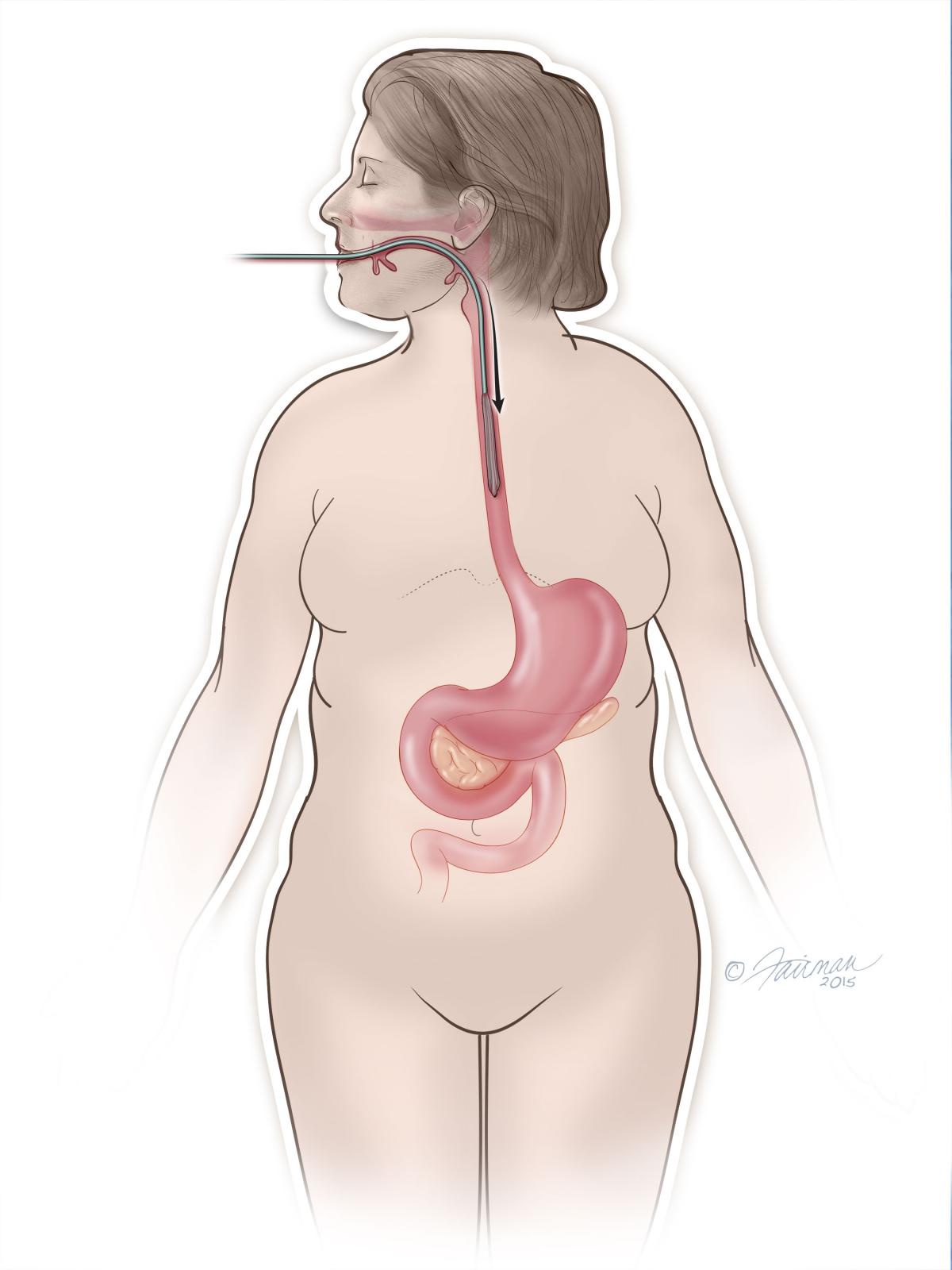
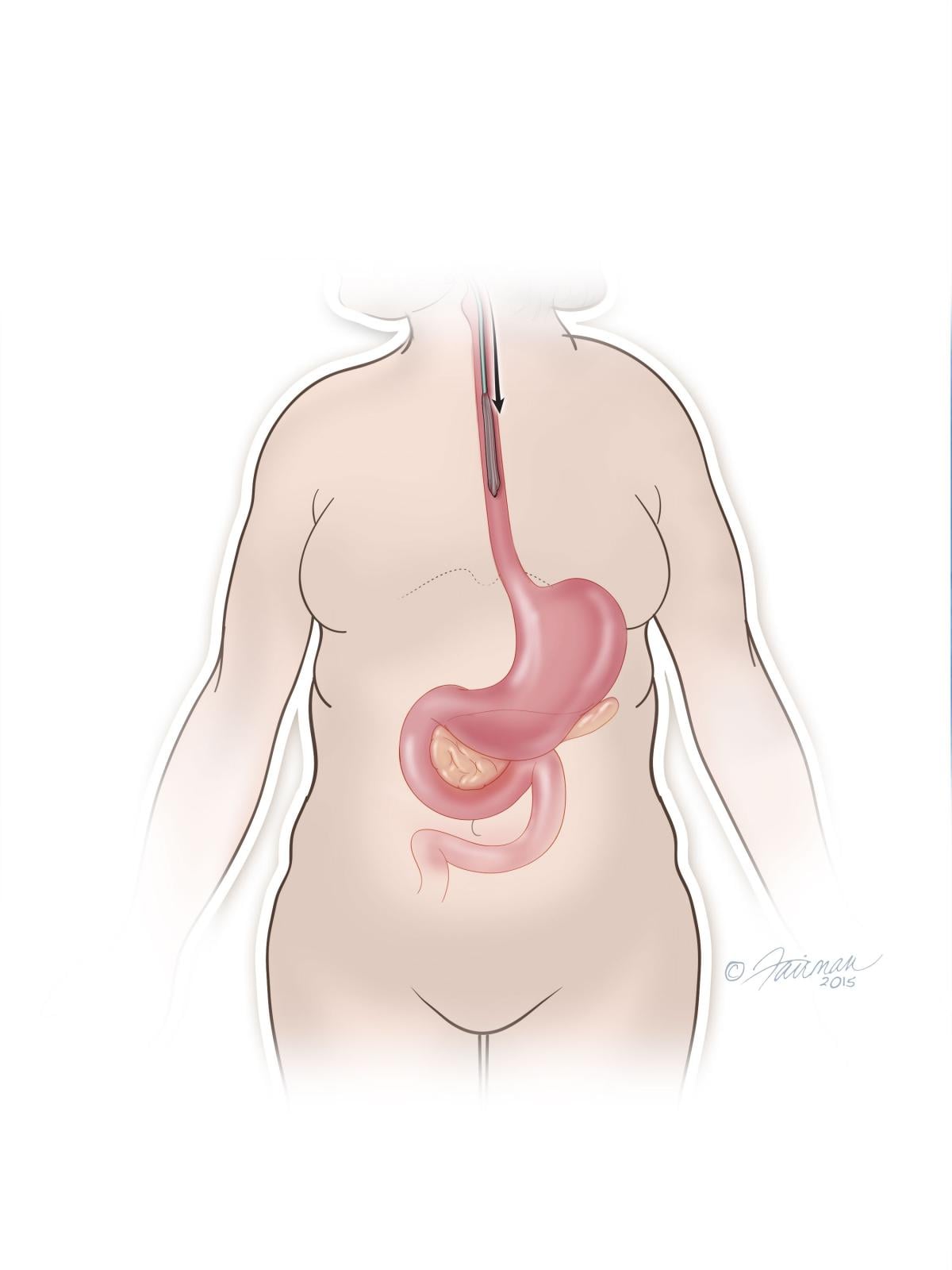
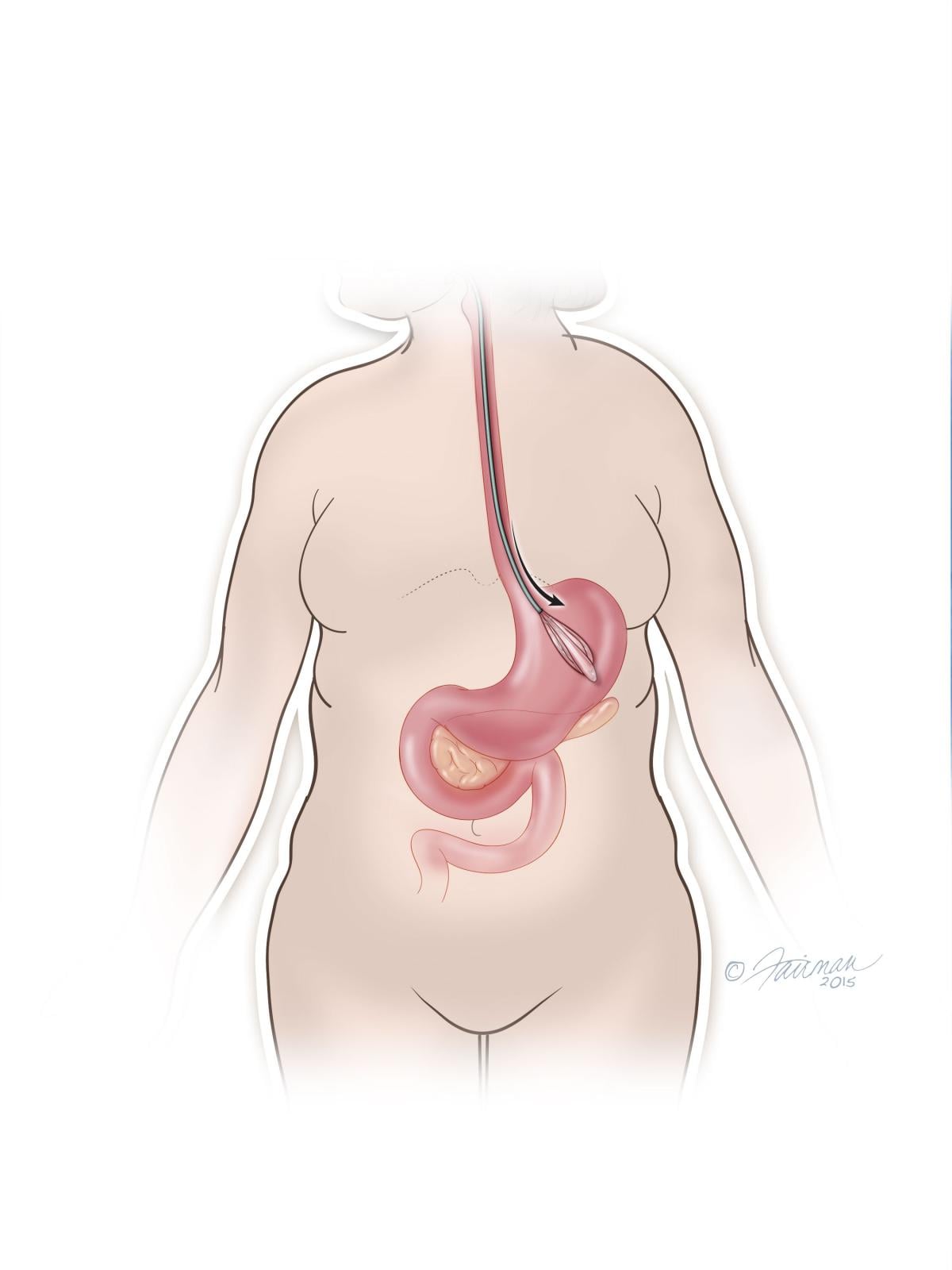
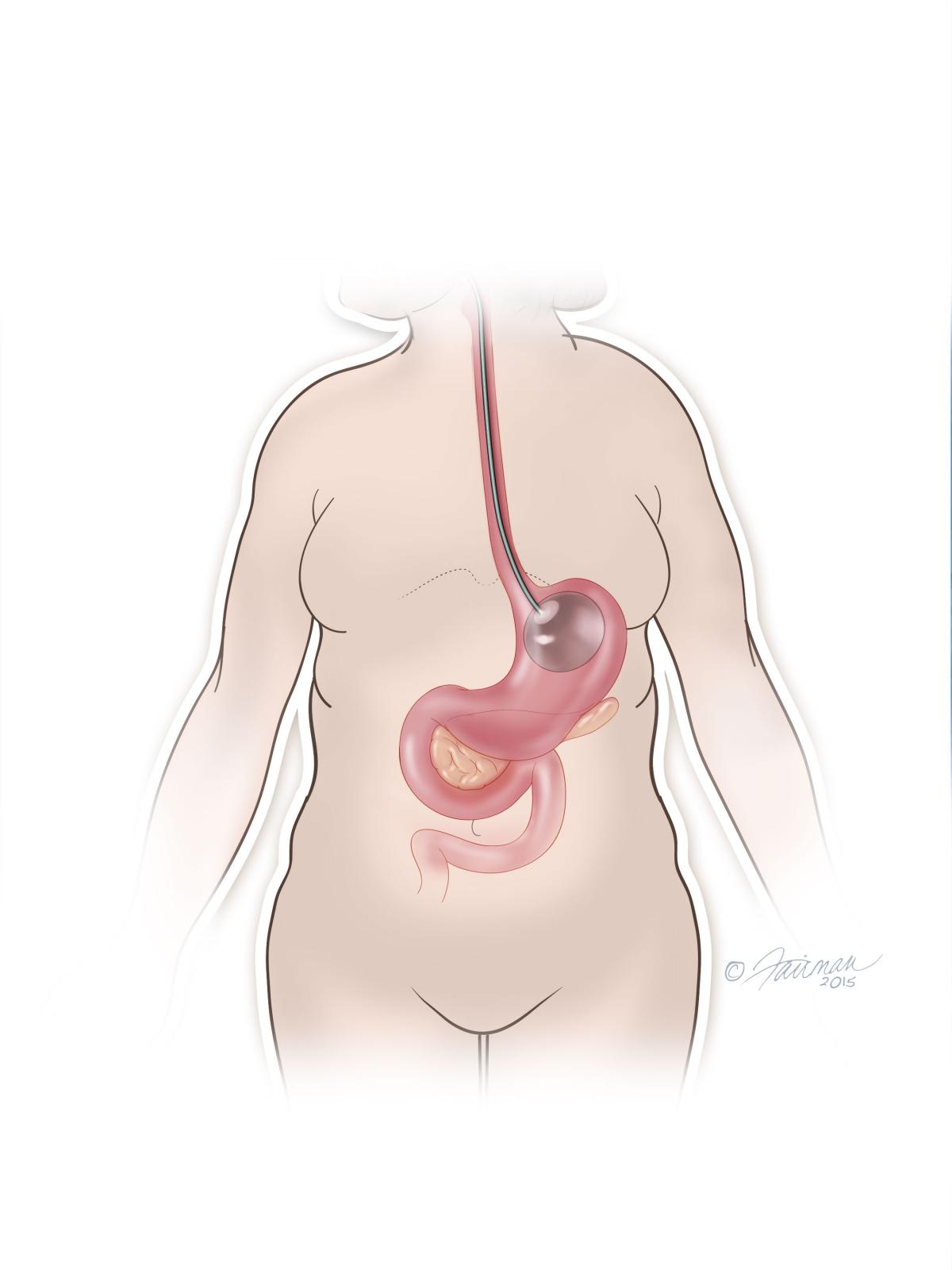
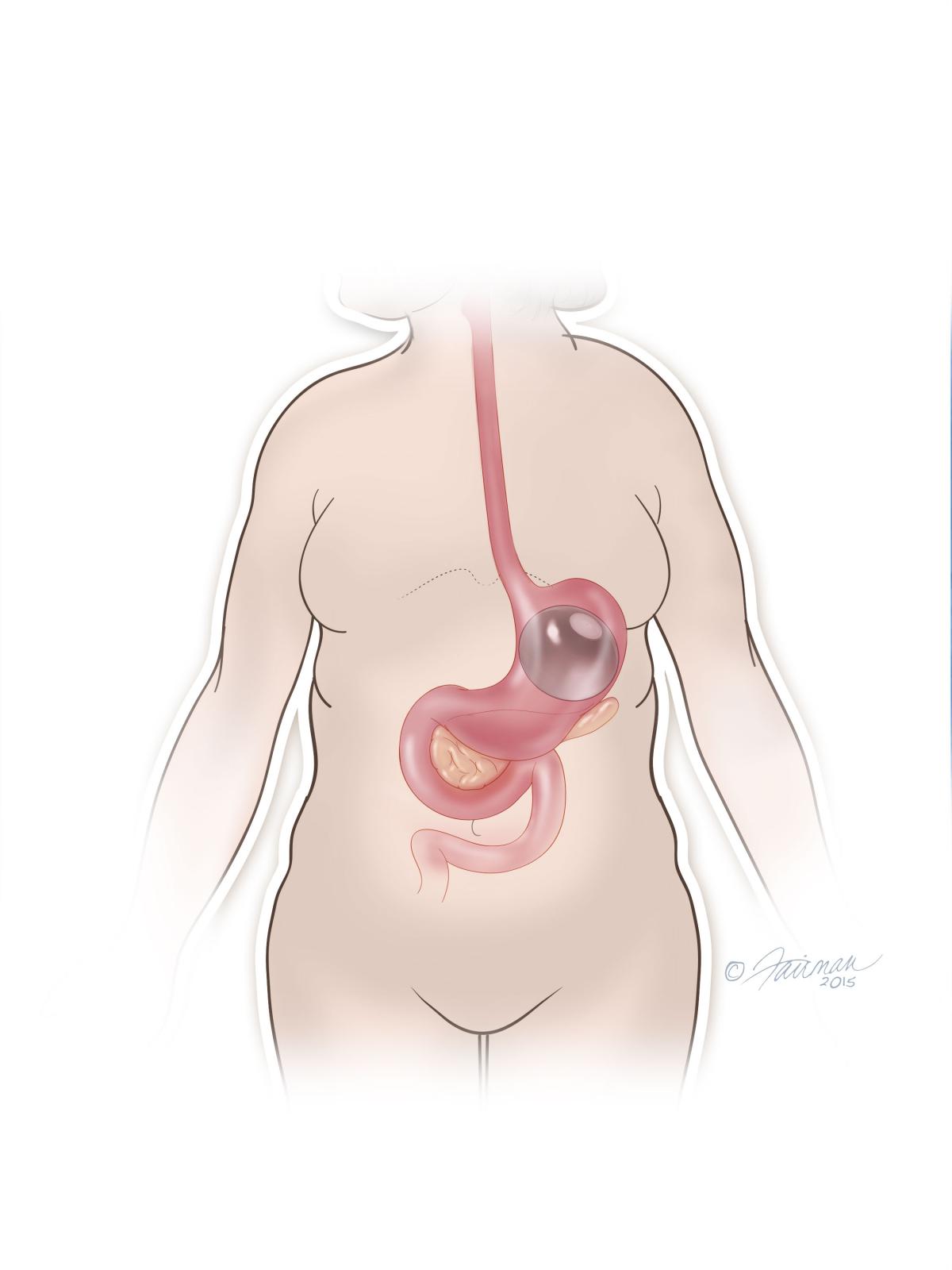
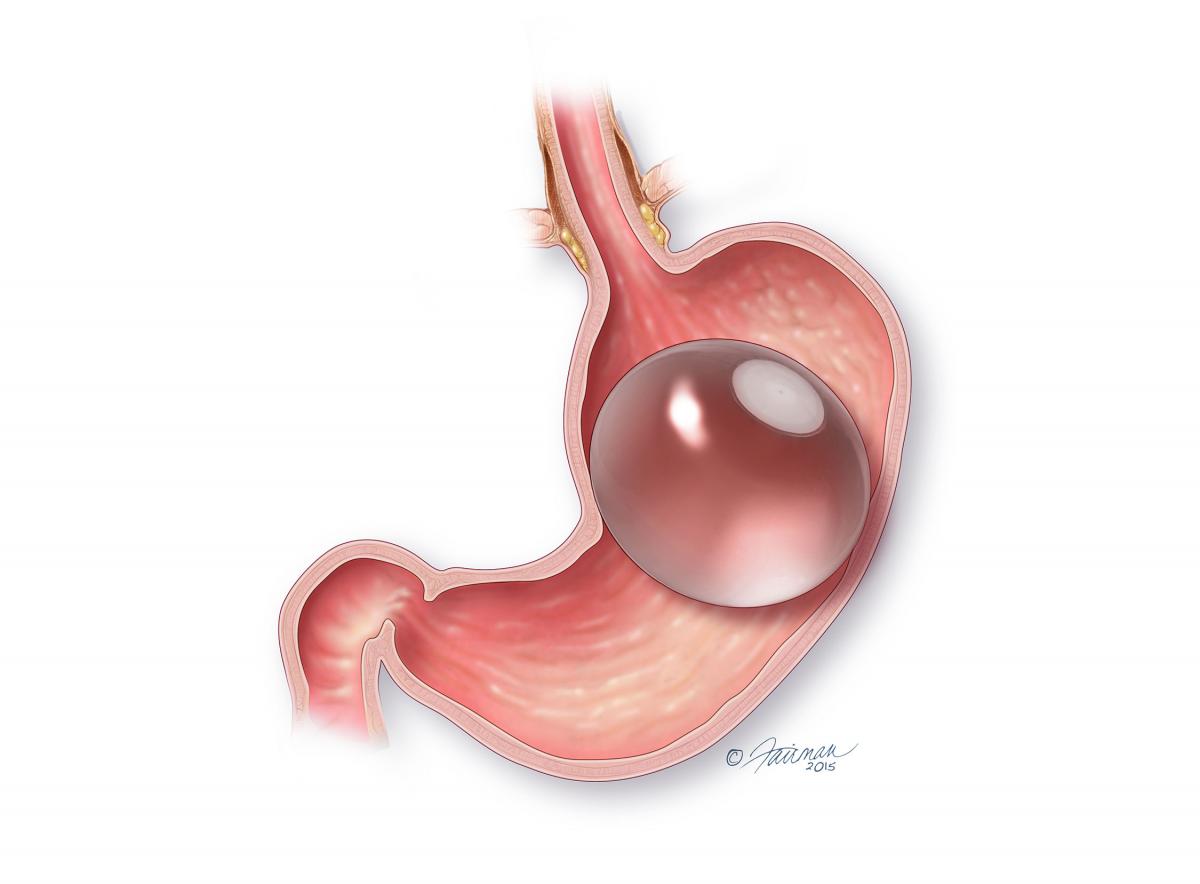
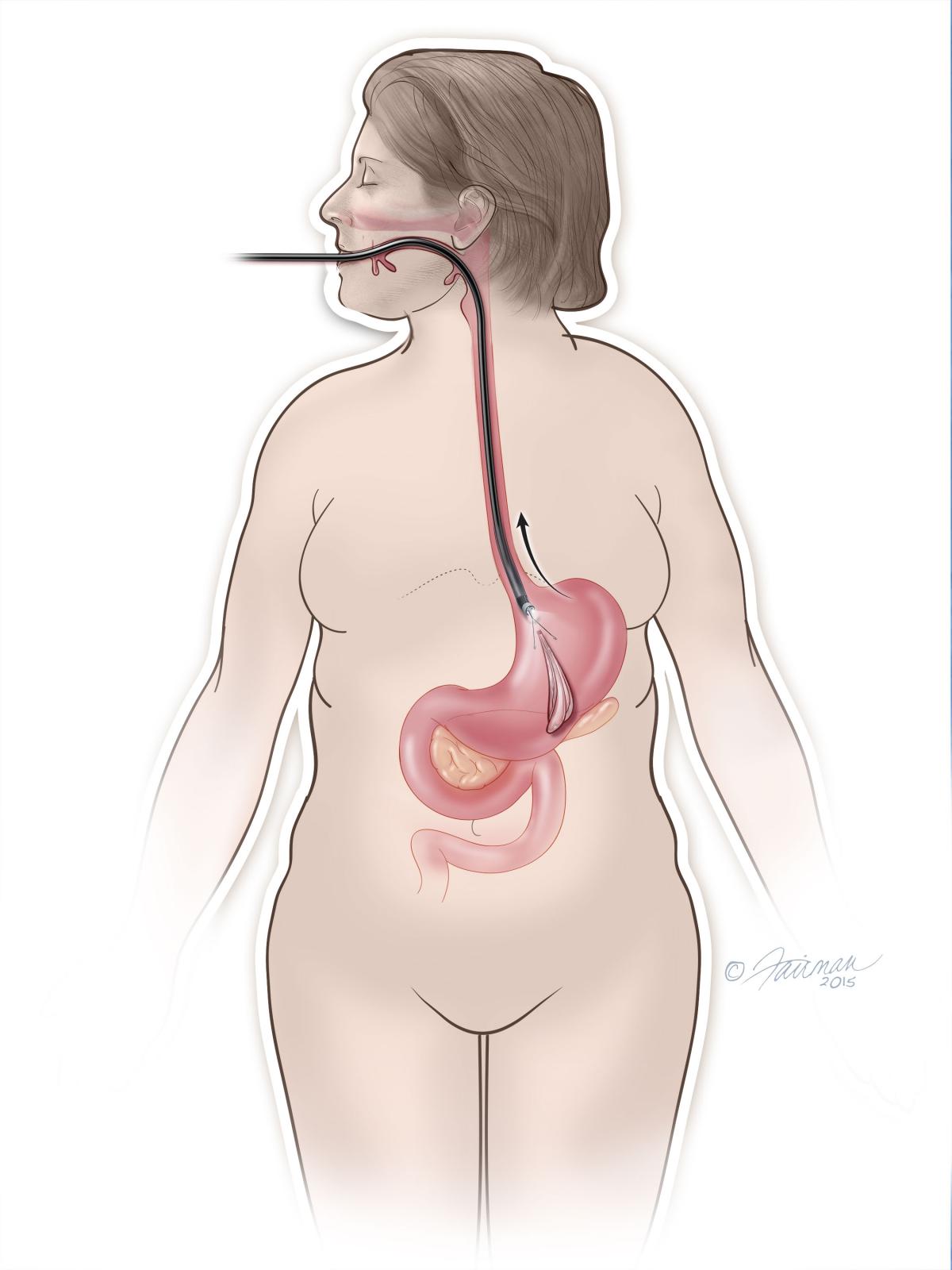
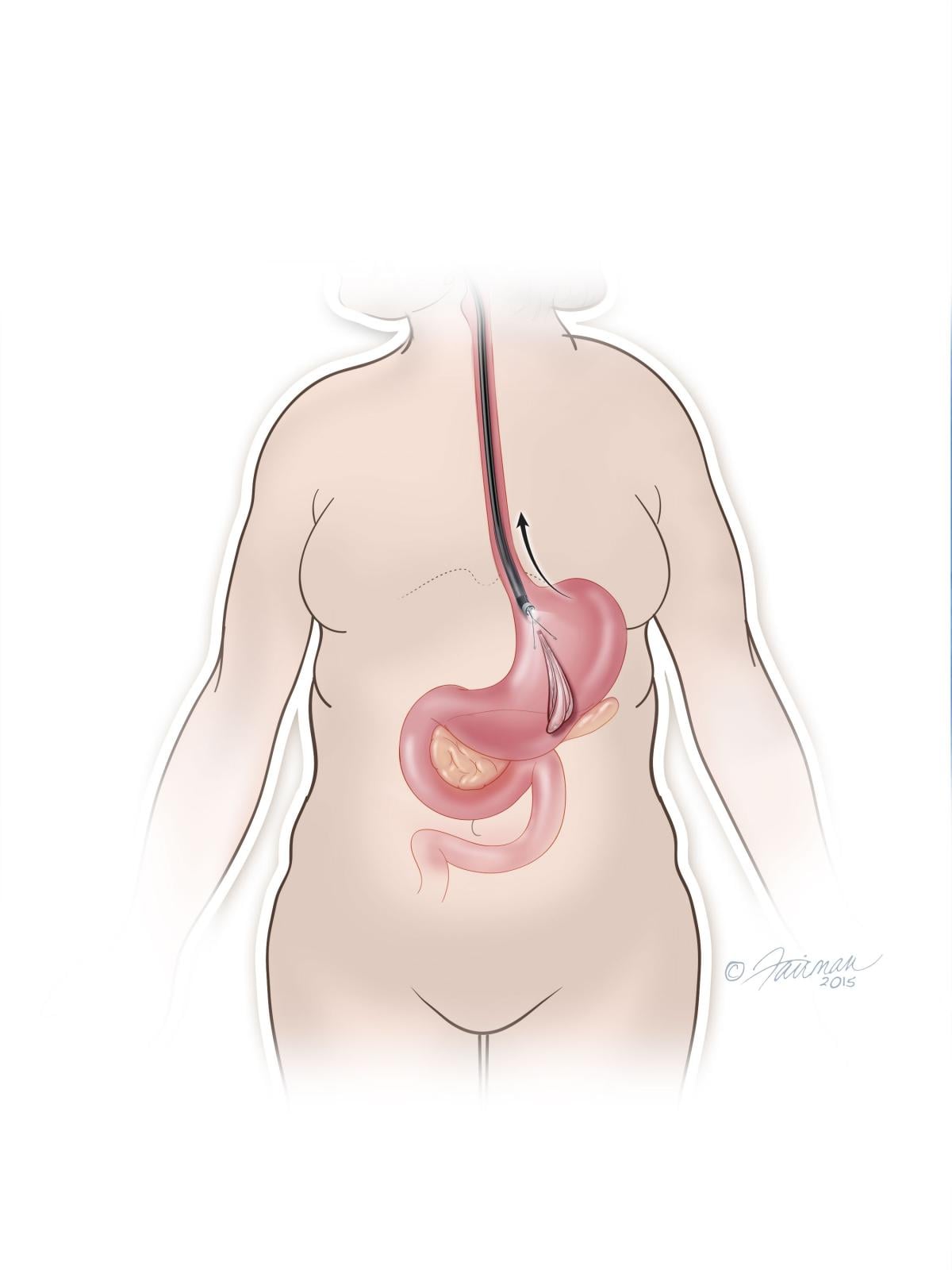
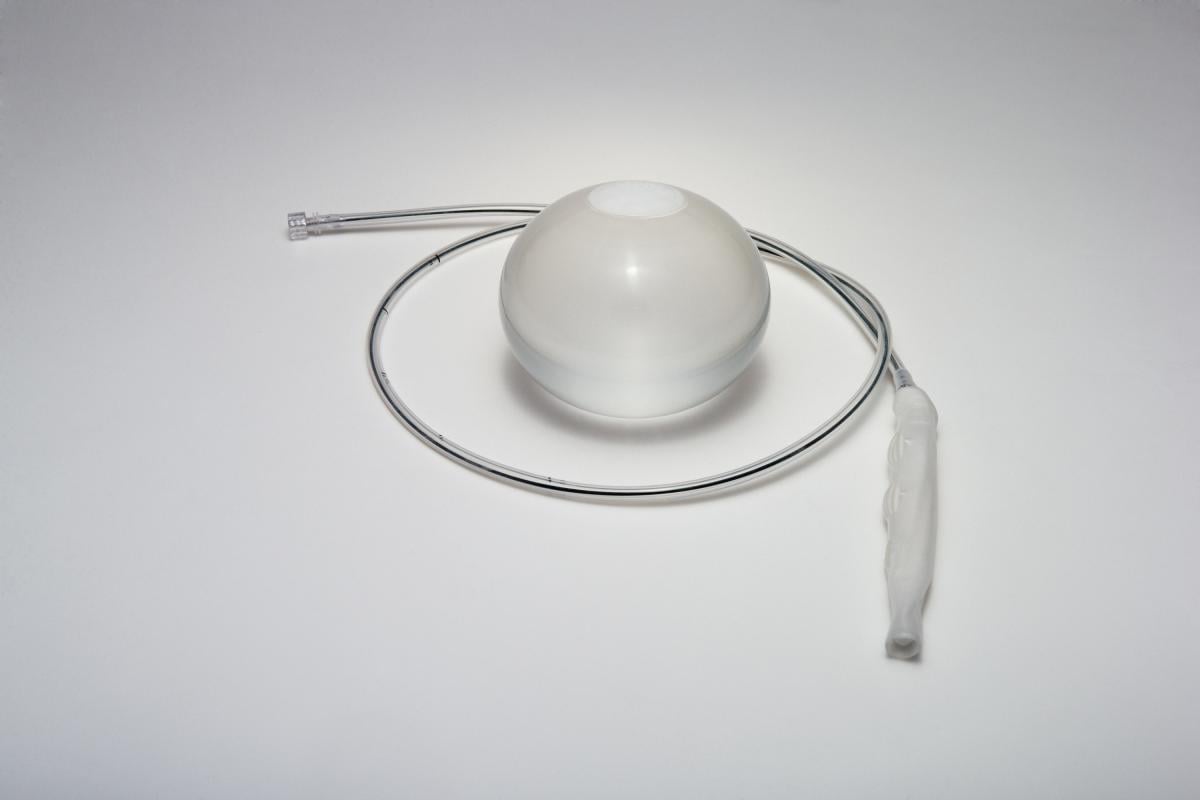
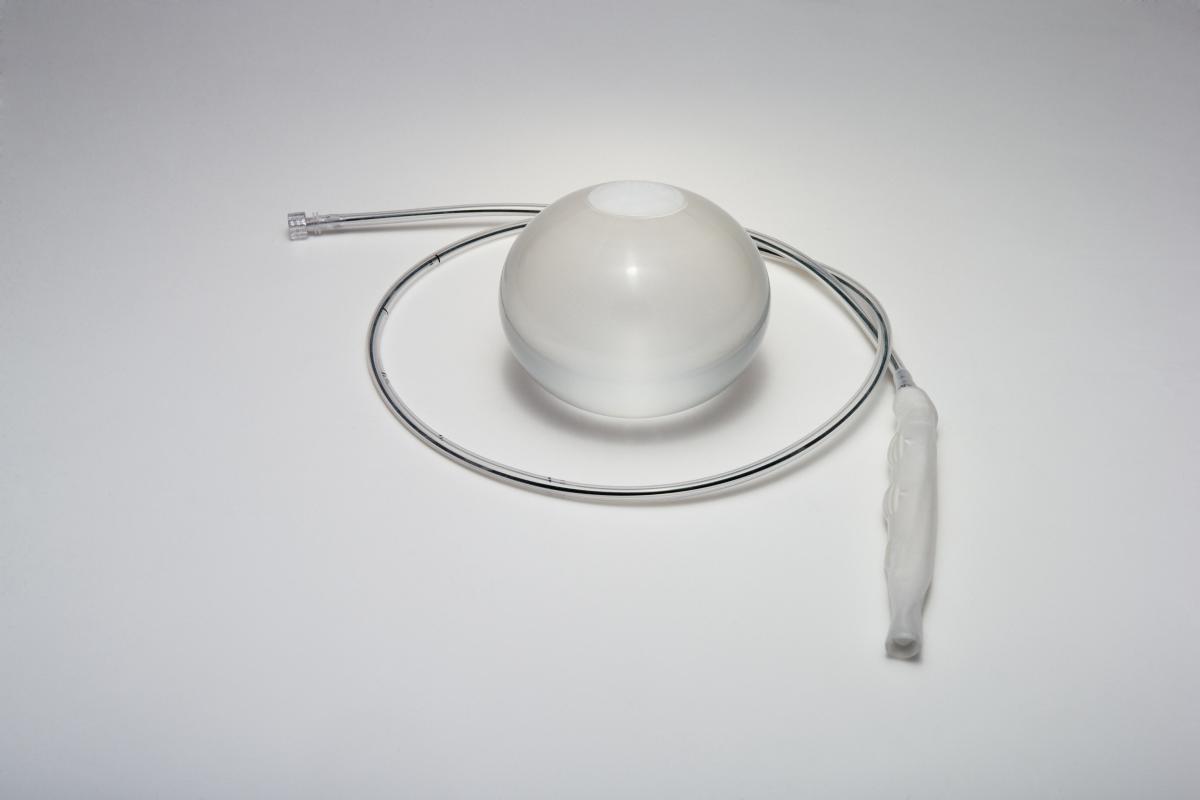
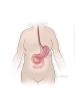
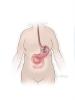
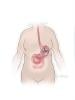
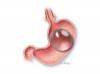
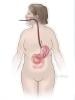
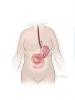
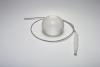
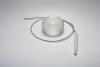
Apollo Endosurgery, Inc. Announces FDA Approval of the ORBERATM Intragastric Balloon, a Non-Surgical Solution to Assist Patients in Weight Loss 3.1 times the weight loss than diet and exercise alone Safe and effective weight loss solution with over 220,000 placements worldwide Austin, TX (August 6, 2015) -- Apollo Endosurgery, Inc., a leader in minimally invasive endoscopic surgical products for bariatric and gastrointestinal procedures, today announced that the U.S. food and Drug Administration (FDA) has approved the ORBERA™ Intragastric Balloon to assist adult patients suffering from obesity – with a body mass index (BMI) of 30 to 40 – in losing and maintaining weight. The ORBERA™ balloon is part of the ORBERATM Managed Weight Loss System, a comprehensive, non-surgical two-part program that includes a balloon filling space in a patient’s stomach to reinforce proper portion control. Data on ORBERA™ collected in the U.S. clinical trial has shown that the average person lost 3.1 times the weight as compared with diet and exercise alone within six months. “While new to the United States, ORBERA™ is a weight loss device with more than 220,000 balloons distributed in over 80 countries and approximately 230 published papers documenting its clinical results,” said Todd Newton, Chief Executive Officer of Apollo Endosurgery. “ORBERA™ is a proven, innovative and non-surgical solution to help fight the obesity epidemic and treat patients before their disease progresses and requires more invasive treatments. With the FDA approval of ORBERA™, Apollo can now offer this safe and effective solution to patients and their physicians in the United States.” “For many, the weight loss journey leaves patients with little support or options other than diet and exercise and traditional surgery. The approval of ORBERA™ fills this gap in available treatments and is an exciting development for healthcare professionals who are committed to providing patients with less invasive options that can assist them in reaching their long-term weight loss goals,” said Christine Ren-Fielding, M.D., a New York-based bariatric surgeon. “ORBERA™ gives us a new weight loss option to help address what has become a critical health issue in the United States.” Introducing ORBERATM ORBERA™ is an incision-less, non-surgical weight loss solution designed for adult patients suffering from obesity, who are not appropriate for or considering invasive surgery, but for whom diet and exercise or pharmaceutical interventions have not worked. In a non-surgical (endoscopic) procedure done under a mild sedative, the thin and deflated ORBERA™ balloon is placed into the stomach. It is then filled with saline until it’s about the size of a grapefruit. The procedure typically takes about 20 to 30 minutes and the patient can generally go home the same day. At six months, through another non-surgical procedure done under a mild sedative, the ORBERA™ balloon is deflated and then removed. Once the balloon is in place, the patient receives an individually tailored support program through the ORBERATM Managed Weight Loss System team of experts – which may include a dietician, psychologist and exercise physiologist – to help keep them motivated, coordinate their program and help them work through weight loss barriers to meet their long-term weight loss goals. Coaching takes place over 12 months, even though the balloon is removed after six months. The program is designed to help the patient develop sustainable, healthy habits that will help keep weight off over time. ORBERA™ Pivotal Study Results In the U.S. pivotal ORBERA™ clinical trial, a multicenter, prospective, randomized, non-blinded comparative study, patients suffering from obesity with a BMI between 30 and 40 were randomized to treatment or control in a 1:1 ratio. The treatment group underwent placement of the ORBERA™ balloon followed by removal after six months. They concurrently participated in a 12-month behavioral modification program. The control group participated in the 12-month behavioral modification program alone. For patients in the treatment group, the device was removed at month six, with regular office visits continuing through one year. A total of 125 patients were randomized to the treatment group and 130 patients were randomized to the control group. Detailed findings from the trial include: At month six, the ORBERA™ group achieved a mean of 38.4 percent Excess Weight Loss (EWL). Mean Total Body Weight Loss (TBWL) at six months was 10.2 percent for the treatment group compared to 3.3 percent TBWL for the control group. The ORBERA™ group lost 3.1 times as much weight as the control group at six months. The ORBERA™ group also lost significantly more weight than the control group over the course of the study, and was able to maintain significant weight loss through month 12, six months after removal of the device. For more than 20 years, the global medical community has been using intragastric balloons from the makers of ORBERA™ to help thousands of people lose weight. More than 220,000 ORBERA™ balloons have been distributed worldwide in over 80 countries. For additional information regarding ORBERA™, please visit Orbera.com. For full safety information please visit orbera.com/dfu, talk with your doctor, or call Apollo Customer Support at 1-855-MYORBERA About Apollo Endosurgery, Inc. Apollo Endosurgery, Inc. is revolutionizing the treatment of obesity and other gastrointestinal disorders by developing less invasive solutions for a whole new group of patients not seeking treatment today. Apollo is a global innovator pushing boundaries to bring new technologies and innovative products to markets in over 80 countries today. In particular, Apollo’s bariatric products fill the gap between non-surgical weight loss solutions and invasive surgeries, allowing physicians to do more for those patients who require more than drug therapy and dietary advice. For more information regarding Apollo Endosurgery, go to: www.apolloendo.com. Media Contact: Jennifer Cook (p) 512.279.5158 jen.cook@apolloendo.com ORBERA™ Patient Animation: ORBERA™ Procedure Illustrations: ORBERA™ Product Images: Obesity Backgrounder Fact Sheet OBESITY: A CHRONIC DISEASE Obesity affects more than 78.6 million U.S. adults and is one of the leading causes of preventable death in the U.S. 6,1 As of 2010, more than 1 in 3 U.S. adults are obese.7 Overall, U.S. obesity rates have stayed steady since 2003; however, they’ve more than doubled since 1980 and remain alarmingly high—the highest among all of the high-income countries in the world.9 If trends in U.S. obesity continue, it is estimated that by 2030, roughly half of all men and women will be obese.9 It is one of the most pervasive chronic diseases and increases the risk of health problems such as heart disease, diabetes and high blood pressure.1,2 BY DEFINITION Overweight and obese are terms used to describe ranges of weight that are greater than what is generally considered healthy.3 The most widely used measurement for obesity is Body Mass Index (BMI). The BMI approximates body mass using a mathematical ratio of weight and height [(weight in kg ÷ height in meters2) or (weight in pounds ÷ height in inches2 x 703)]. A BMI between 18.5 and 24.9 is considered healthy for an adult.3 A BMI between 25 and 29.9 is considered overweight for an adult.3 A BMI of 30 or higher is considered obese for an adult.3 A BMI between 30 and 40 is considered lower BMI. It’s important to note that BMI measurements in body-builders and athletes may not be accurate determinants of obesity because the BMI does not distinguish between muscle and fat. LOWER BMI Lower BMI is used to describe the range of weight that falls within a BMI of 30 – 40. While on the low end of the obesity spectrum, a person with a “lower BMI” still falls within the range of obesity and is therefore at increased risk for health problems. To date, individuals with lower BMI have had limited weight loss options outside of diet and exercise as most surgical weight loss interventions, like bariatric surgery, require a BMI of at least 40. CAUSES Obesity is generally caused when the intake of calories is higher than the amount that is burned through exercise and activity.11 Obesity is also influenced by a variety of behavioral, environmental and genetic factors, which can include: unhealthy diet, inactivity, lack of sleep, pregnancy, medications, medical problems, and metabolism.4,11 CONSEQUENCES & QUALITY OF LIFE Obesity can increase the risk of more than 30 chronic health conditions, including: type 2 diabetes, high cholesterol, hypertension, heart disease, sleep apnea, gastroesophageal reflux disease (GERD), asthma and other respiratory conditions, and numerous cancers.1 Obesity can also significantly impact an individual’s quality of life in areas such as: depression, social isolation, sexual problems, shame and guilt, and lower work achievement.10 ECONOMIC IMPACT Obesity has a direct impact on the U.S. healthcare system.4 In 2008, an estimated $147 billion was spent in medical costs for obesity.4 If obesity trends continue, it’s estimated that related medical costs could rise an additional $43 to $66 billion each year in the U.S. by 2030.5 Sources: 1. http://www.obesity.org/resources-for/what-is-obesity.htm 2. http://www.mayoclinic.org/diseases-conditions/obesity/basics/definition/con-20014834 3. http://www.cdc.gov/obesity/adult/defining.html 4. http://www.cdc.gov/obesity/adult/causes/index.html 5. http://obesitycampaign.org/obesity_facts.asp 6. http://www.cdc.gov/obesity/data/adult.html 7. http://win.niddk.nih.gov/statistics/ 8. http://emedicine.medscape.com/article/123702-overview 9. http://www.hsph.harvard.edu/obesity-prevention-source/obesity-trends/obesity-rates-worldwide/ 10. http://www.mayoclinic.org/diseases-conditions/obesity/basics/complications/con-20014834 11. http://www.mayoclinic.org/diseases-conditions/obesity/basics/causes/con-20014834
-
This is from the FDA's press release: his is a brief overview of information related to FDA’s approval to market this product. See the links below to the Summary of Safety and Effectiveness Data (SSED) and product labeling for more complete information on this product, its indications for use, and the basis for FDA’s approval. Product Name: ORBERA™ Intragastric Balloon System Applicant: Apollo Endosurgery, Inc. Address: 1120 S Capital of Texas Hwy, Building 1, Ste. 300, Austin, TX 78746 Approval Date: August 5, 2015 Approval Letter: Will be available online. What is it? The ORBERA Intragastric Balloon System is a weight-loss system that uses a gastric balloon that occupies space in the stomach. The balloon is placed into the stomach through the mouth, using a minimally invasive endoscopic procedure, while the patient is under mild sedation. Once in place, the balloon is filled with salt Water (saline) so that it expands into a spherical shape. The balloon can be filled with different amounts of saline (from 400 to 700 cc) to best match the patient’s body structure. How does it work? The ORBERA Intragastric Balloon System takes up space in the stomach to help patients lose weight. The system is temporary and should be removed after 6 months. When is it used? The device is used in obese adult patients who have a Body Mass Index (BMI) of 30-40 kg/m2 who have been unable to lose weight through diet and exercise. It is intended to be used while a patient participates in a diet and exercise plan supervised by a health care provider. What will it accomplish? During the clinical study, the group of people who used the ORBERA Intragastric Balloon lost more weight than those who did not. The study included a total of 255 patients who were followed for one-year. During that period, 125 patients received the device and had it in place for six months. After the device was removed, they were followed for an additional six months. 130 patients participated in a 12-month behavior modification program and did not receive the device. Patients with ORBERA lost an average of 21.8 pounds (10.2% of their body weight) after the device had been in place for six months. Three months after the device was removed (9 months after device placement), patients who received the device maintained an average of 19.4 pounds weight loss. The 130 patients who participated in the behavior modification program but did not receive the device lost an average of 7.0 pounds (3.3% of their body weight). When should it not be used? The device should not be used in patients who: already have an intragastric balloon have had prior gastrointestinal or bariatric surgery have any inflammatory disease of the gastrointestinal tract have potential upper gastrointestinal bleeding conditions have a large hiatal hernia have a structural abnormality in the esophagus or pharynx have serious esophageal motility disorders have a gastric mass have a severe clotting or bleeding disorder (coagulopathy) have liver failure (hepatic insufficiency) or cirrhosis are known to have or suspected to have an allergic reaction to materials contained in the ORBERA™ system have any other medical condition which would not permit elective endoscopy have a serious prior or present psychiatric illness have alcoholism or drug addiction who are unable or unwilling to take prescribed proton pump inhibitor medication for the duration of the device implant are unable or unwilling to participate in a medically supervised diet and behavior modification program with routine medical follow-up are receiving aspirin, anti-inflammatory agents, blood thinners (anticoagulants) or other gastric irritants are pregnant or breast-feeding Additional information: Summary of Safety and Effectiveness and labeling will be available online.
-
Sheesh! Not very impressive. What are your thoughts on the ORBERA™ Intragastric Balloon US Pivotal Trial Results ? http://www.reuters.com/article/2015/05/18/tx-apollo-endosurgery-idUSnBw185339a+100+BSW20150518
-
The Orbera Gastric balloon has just been approved by the FDA: http://www.fda.gov/MedicalDevices/ProductsandMedicalProcedures/DeviceApprovalsandClearances/Recently-ApprovedDevices/ucm457416.htm
-
The Orbera Gastric balloon has just been approved by the FDA: http://www.fda.gov/MedicalDevices/ProductsandMedicalProcedures/DeviceApprovalsandClearances/Recently-ApprovedDevices/ucm457416.htm
-
Hi Laurie, Natalie (our nutritionist) will respond to you later today. Here's a little info so you can get the ball rolling. This is what's included with our nutritionist. Initial consultation: one-on-one skype/phone, 15-minute. Meal plans: two-day for liquid stage, plus one week each for pureed, semi-solid, and solid stages. Ability to participate in monthly hour-long chat sessions with our nutritionist at noon on the first Saturday of each month. Access to the Nutritional Support forum. The BariatricPal nutritionist will be monitoring the boards at least once a week. You must complete the Pre-Consultation Nutrition Questionnaire at http://www.bariatricpal.com/nutrition/pre-consultation Once you complete the form, Natalie receives your information and is able to prepare customized meal plans to help you recover from surgery, lose weight, and get healthy! Once you fill out the Pre-Consultation Nutrition Questionnaire, you will get a confirmation page stating: Thank you for submitting your information form. Please go to https://bariatricpalmx.acuityscheduling.com/ to schedule your free 15-minute nutritional consult at your convenience. We look forward to working with you and helping you achieve your goals! There is a schedule online where you are able to choose a time slot to schedule your 15-minute consult. Also, if you feel you need more nutritional guidance, you can purchase additional one-on-one sessions with the nutritionist at https://bariatricpalmx.acuityscheduling.com/ . I hope this info helps you!
-
Here's information on another Almanza Patient raising money in order to go to Mexico to file a formal complaint: http://www.bariatricpal.com/topic/347431-another-almanza-victim-please-help-diana-file-complaint-against-almanza-and-weight-loss-agents-journey-to-justice-number-2/#entry3909267
-
Donated. Thanks for posting updates.
-
Congrats!! ☆☆☆☆☆
-
I am working with ASMBS on an outreach project called This Time It Counts, and I would like to ask for your participation, please! It’s for members who have had LAP-BAND Surgery and have seen results already. Being a part of the campaign is easy. Just post a short video of yourself telling your LAP-BAND Surgery story and post it on This Time It Counts (the instructions are on the page). In your video, you can talk about your LAP-BAND Surgery journey. Also, you can mention and talk about how BariatricPal has played a role in your LAP-BAND Surgery success . This project will help reach thousands of potential LAP-BAND Surgery patients who are trying to make the right decisions for themselves. I hope you will take advantage of this chance to give back! Thank you!
-
I am working with ASMBS on an outreach project called This Time It Counts, and I would like to ask for your participation, please! It’s for members who have had Gastric Bypass Surgery and have seen results already. Being a part of the campaign is easy. Just post a short video of yourself telling your Gastric Bypass Surgery story and post it on This Time It Counts (the instructions are on the page). In your video, you can talk about your Gastric Bypass Surgery journey. Also, you can mention and talk about how BariatricPal has played a role in your Gastric Bypass Surgery success . This project will help reach thousands of potential Gastric Bypass Surgery patients who are trying to make the right decisions for themselves. I hope you will take advantage of this chance to give back! Thank you!
-
I am working with ASMBS on an outreach project called This Time It Counts, and I would like to ask for your participation, please! It’s for members who have had Gastric Sleeve Surgery and have seen results already. Being a part of the campaign is easy. Just post a short video of yourself telling your Gastric Sleeve Surgery story and post it on This Time It Counts (the instructions are on the page). In your video, you can talk about your Gastric Sleeve Surgery journey. Also, you can mention and talk about how BariatricPal has played a role in your Gastric Sleeve Surgery success . This project will help reach thousands of potential Gastric Sleeve Surgery patients who are trying to make the right decisions for themselves. I hope you will take advantage of this chance to give back! Thank you!
-
Really appreciate your participation on BariatricPal. I believe I can get you free tickets. PM me for deets.